
Building strength doesn’t have to be complicated or intimidating. Machine workouts offer a straightforward path to developing muscle, boosting confidence, and transforming your health with minimal learning curve.

Whether you’re stepping into a gym for the first time or returning after a long break, weight machines provide the perfect balance of safety and effectiveness. Unlike free weights that require mastering proper form and balance, machines guide your movements along predetermined paths, reducing injury risk while delivering impressive results. This approach makes strength training accessible to everyone, regardless of age or fitness level.
💪 Why Machine Workouts Revolutionize Strength Training
The beauty of machine-based strength training lies in its simplicity and effectiveness. These engineered pieces of equipment eliminate many barriers that prevent people from starting their fitness journey. The guided motion patterns ensure you’re targeting the right muscles without needing extensive coaching or years of experience.
Machines offer consistent resistance throughout the entire range of motion, which means your muscles work evenly from start to finish. This controlled environment allows you to focus purely on pushing or pulling the weight, rather than worrying about stabilizing the load or maintaining perfect posture. For beginners, this translates to faster progress and fewer frustrations.
Another significant advantage is the adjustability factor. Most modern machines feature easy-to-use adjustment mechanisms that accommodate different body types and fitness levels. Within seconds, you can modify seat height, weight load, or range of motion to match your specific needs. This customization ensures every workout session remains challenging yet achievable.
🎯 Getting Started: Your First Machine Workout Blueprint
Starting your machine workout journey requires understanding a few fundamental principles. First, familiarize yourself with the equipment layout at your gym. Most facilities organize machines by muscle groups, making it easier to plan a comprehensive routine that targets your entire body.
Begin each session with a proper warm-up consisting of 5-10 minutes of light cardio activity. This increases blood flow to your muscles and prepares your joints for resistance training. Walking on a treadmill, using an elliptical, or cycling at a moderate pace are excellent options.
Essential Machines for Complete Body Development
A well-rounded machine workout should address all major muscle groups. Here’s how to structure your approach:
- Chest Press Machine: Targets pectoral muscles, shoulders, and triceps with a pushing motion that mimics bench pressing
- Lat Pulldown: Develops back width and strength while engaging biceps and rear shoulders
- Leg Press: Builds powerful quadriceps, hamstrings, and glutes without spinal compression
- Shoulder Press Machine: Strengthens deltoids and upper trapezius with stable overhead pressing
- Seated Row: Enhances middle back thickness and improves posture through horizontal pulling
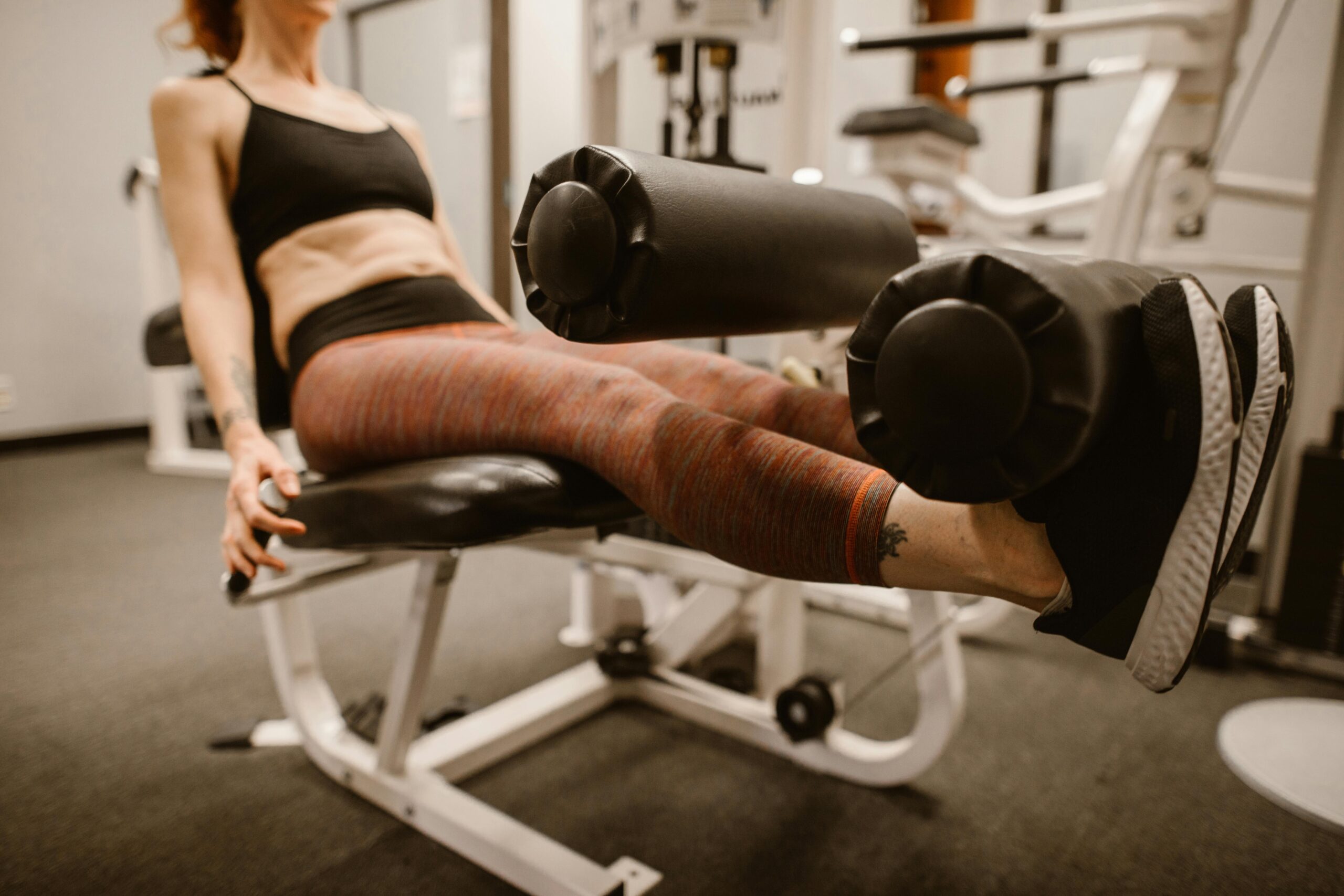
- Leg Curl and Extension: Isolates hamstrings and quadriceps for balanced leg development
- Abdominal Crunch Machine: Provides resistance for core strengthening beyond bodyweight exercises
🔥 Designing Your Progressive Training Schedule
Consistency forms the foundation of any successful strength-building program. For optimal results, aim for three to four machine workout sessions per week, allowing at least one rest day between sessions targeting the same muscle groups. This recovery period enables muscle repair and growth.
Beginners should start with one to two sets of 12-15 repetitions per exercise, focusing on proper form and controlled movements. As your strength increases over two to three weeks, gradually add a third set. After mastering the movement patterns, begin increasing the weight by small increments, typically 5-10 pounds depending on the exercise.
Sample Weekly Training Split
Organizing your workouts by muscle groups maximizes recovery and prevents overtraining. Consider this effective three-day split:
Day 1 – Upper Body Push: Chest press, shoulder press, tricep extension, lateral raise machine
Day 2 – Lower Body: Leg press, leg curl, leg extension, calf raise machine, hip abduction/adduction
Day 3 – Upper Body Pull & Core: Lat pulldown, seated row, bicep curl machine, abdominal crunch machine
This structure ensures balanced development while providing adequate recovery time for each muscle group. As you advance, you might transition to a four or five-day split for increased training volume.
📊 Tracking Progress: Measuring Your Strength Gains
Monitoring your progress keeps motivation high and helps identify areas needing adjustment. Maintaining a workout log—whether digital or paper-based—proves invaluable for long-term success. Record the exercises performed, weight used, sets, and repetitions completed for each session.
Many fitness enthusiasts now use smartphone applications to track their workouts efficiently. These apps often include features like progress graphs, exercise demonstrations, and rest timers that enhance your training experience.
Beyond tracking weights and reps, pay attention to other progress indicators. Improved energy levels, better sleep quality, enhanced mood, and increased functional strength in daily activities all signal positive adaptations. Take progress photos monthly and consider body measurements to visualize changes that scales might not reflect.
⚡ Maximizing Results Through Proper Technique
While machines guide movement patterns, proper technique remains crucial for optimal results and injury prevention. Each repetition should emphasize quality over quantity, with controlled motions rather than momentum-driven jerking.
Adopt a breathing pattern that supports your efforts: exhale during the exertion phase (pushing or pulling the weight) and inhale during the return phase. This breathing rhythm stabilizes your core and ensures adequate oxygen delivery to working muscles.
Common Technique Mistakes to Avoid
Even with machine guidance, certain errors can compromise your results. Be mindful of these frequent issues:
- Using excessive weight that forces poor form and incomplete range of motion
- Moving too quickly through repetitions, eliminating muscle tension
- Failing to adjust machine settings for your body dimensions
- Locking out joints completely at movement endpoints
- Holding your breath during difficult repetitions
- Rushing between sets without adequate recovery (30-90 seconds typically)
🥗 Fueling Your Strength: Nutrition Fundamentals
Machine workouts create the stimulus for muscle growth, but nutrition provides the building blocks. Without proper fuel, your body cannot repair and strengthen muscle tissue effectively. Protein intake becomes particularly important for anyone engaged in regular strength training.
Aim for approximately 0.7 to 1 gram of protein per pound of body weight daily, distributed across three to five meals. Quality protein sources include lean meats, fish, eggs, dairy products, legumes, and plant-based alternatives. Timing protein intake around your workouts can enhance recovery, though overall daily intake matters more than precise timing.
Carbohydrates fuel your training sessions and replenish muscle glycogen stores. Don’t fall into the trap of eliminating carbs when strength building. Complex carbohydrates from whole grains, fruits, vegetables, and starchy foods support training intensity and recovery processes.
Healthy fats from nuts, seeds, avocados, olive oil, and fatty fish support hormone production, including testosterone and growth hormone, which play crucial roles in muscle development. Aim for fats to comprise 20-30% of your total caloric intake.
🛡️ Injury Prevention and Long-Term Sustainability
One of machine training’s greatest advantages is the reduced injury risk compared to free weights, but prevention still requires attention to detail. Always begin with lighter weights when learning new movements, even if they feel too easy initially. This practice ingrains proper movement patterns before challenging your muscles maximally.
Listen to your body’s signals carefully. Distinguish between productive muscle fatigue and problematic joint or connective tissue pain. The former indicates you’re challenging your muscles appropriately, while the latter suggests form issues or overtraining that need addressing immediately.
Recovery Strategies for Consistent Progress
Recovery isn’t merely rest between sessions—it’s an active process that determines how well you adapt to training stress. Implement these recovery practices:
- Prioritize 7-9 hours of quality sleep nightly for optimal hormone production and tissue repair
- Stay hydrated throughout the day, not just during workouts
- Incorporate light activity on rest days to promote blood flow without taxing muscles
- Consider foam rolling or stretching to maintain mobility and reduce muscle tension
- Manage stress through meditation, breathing exercises, or relaxing hobbies
🎉 Breaking Through Plateaus and Maintaining Motivation
After several months of consistent training, you’ll likely encounter plateaus where progress seems to stall. This natural occurrence happens as your body adapts to training stress. Rather than becoming discouraged, recognize plateaus as opportunities to implement strategic changes.
Vary your approach by adjusting training variables. Modify your repetition ranges—try 6-8 reps with heavier weights for strength emphasis or 15-20 reps with lighter loads for muscular endurance. Change the order of exercises in your routine, or substitute different machines that target similar muscle groups from new angles.
Periodization—systematically varying training intensity and volume—prevents adaptation and promotes continuous progress. Consider alternating between four-week blocks of different training styles: higher volume with moderate weight, followed by lower volume with heavier loads, then a deload week with reduced intensity.
👥 Building Community and Accountability
While machine workouts are highly individual, surrounding yourself with supportive people amplifies success rates dramatically. Consider finding a workout partner with similar goals and schedules. Training together provides accountability, friendly competition, and someone to celebrate victories with along the journey.
Many gyms offer group training sessions that incorporate machine circuits. These classes combine the benefits of machine safety with group energy and professional instruction. The structured environment helps maintain consistency, especially during motivation dips.
Online fitness communities also offer tremendous support. Sharing your progress, asking questions, and learning from others’ experiences creates connection and keeps you engaged long-term. Social media groups, fitness forums, and app-based communities provide daily inspiration and practical advice.
🌟 Advanced Techniques for Continued Development
As you gain experience with machine training, several advanced techniques can intensify workouts and stimulate new growth. Drop sets involve performing an exercise to failure, then immediately reducing the weight and continuing for additional repetitions. This extends the set duration and creates significant metabolic stress.
Supersets pair two exercises performed back-to-back without rest, either targeting opposing muscle groups or the same muscle from different angles. This approach increases workout efficiency and cardiovascular demand while maintaining strength focus.
Tempo training manipulates repetition speed to increase time under tension. Try a 4-second lowering phase, 1-second pause at the bottom, 2-second lifting phase, and 1-second squeeze at the top. This controlled approach maximizes muscle fiber recruitment and promotes growth.
💡 Real Results: The Transformation Timeline
Understanding realistic expectations prevents disappointment and maintains motivation throughout your journey. During the first four weeks, neurological adaptations occur as your nervous system becomes more efficient at recruiting muscle fibers. You’ll notice strength gains before visible muscle growth.
Between weeks 4-12, muscle protein synthesis increases significantly, and visible changes emerge. Muscle definition improves, strength continues rising steadily, and everyday activities feel easier. This period often provides the most noticeable feedback, reinforcing your commitment.
After three months of consistent training, you’ve established solid habits and substantial strength foundation. Many people experience 30-50% strength increases across major lifts during this initial period. Beyond six months, progress becomes more gradual but equally valuable, with continued refinement of physique and performance capabilities.
The journey to building strength through machine workouts represents more than physical transformation—it’s an investment in long-term health, confidence, and quality of life. The straightforward nature of machine training removes barriers while delivering professional-grade results accessible to everyone willing to commit.
By starting today with proper technique, consistent effort, adequate nutrition, and smart recovery practices, you’re laying the foundation for a stronger, healthier version of yourself. Remember that every expert was once a beginner who refused to quit. Your transformation story begins with that first machine workout, and each subsequent session builds upon your success.