Starting your fitness journey can feel overwhelming, but machine-based workouts offer the perfect entry point for gym newcomers seeking safe, effective results.

Whether you’ve just signed up for your first gym membership or you’re returning after a long break, the rows of shiny machines can seem intimidating. However, these carefully engineered pieces of equipment are actually your best allies in building strength, confidence, and a solid fitness foundation. Unlike free weights that require precise form and coordination, machines guide your movements, reduce injury risk, and help you focus on what matters most—building muscle and establishing consistent workout habits.
🎯 Why Machines Are Perfect for Your First Gym Experience
Gym machines offer unique advantages that make them ideal for beginners. The guided motion paths ensure you’re working the intended muscle groups correctly, while the adjustable weight stacks let you start light and progress gradually. This controlled environment allows you to learn proper movement patterns without the complexity of balancing free weights or coordinating multiple muscle groups simultaneously.
Safety is paramount when you’re new to fitness. Machines feature built-in safety mechanisms like weight stacks that can’t fall on you and seats with secure positions. The pins and selectors make weight adjustments quick and straightforward, eliminating the need to load and unload plates. This convenience means you spend more time actually exercising and less time figuring out equipment logistics.
Another significant benefit is the reduced learning curve. Each machine typically targets specific muscle groups with clear instructions posted directly on the equipment. Many modern machines include diagrams showing which muscles are engaged and proper seat adjustments. This educational aspect helps you understand your body while building workout confidence.
Essential Upper Body Machines Every Newcomer Should Master
Chest Press Machine: Building Your Foundation
The chest press machine is your gateway to developing upper body strength. It mimics the bench press movement but with added stability and safety. Adjust the seat so the handles align with your mid-chest, plant your feet firmly, and press forward with controlled motion. This machine develops your pectoral muscles, shoulders, and triceps simultaneously.
Start with a weight that allows 12-15 repetitions with good form. Focus on the full range of motion rather than maximum weight. Your elbows should bend to approximately 90 degrees at the bottom position, and you should feel a stretch across your chest without shoulder discomfort.
Lat Pulldown: Sculpting Your Back
The lat pulldown machine creates the foundation for a strong, defined back. Sit with your thighs secured under the pads, grip the bar slightly wider than shoulder-width, and pull down toward your upper chest. This movement targets your latissimus dorsi muscles—the large muscles that create that coveted V-shaped torso.
Avoid the common mistake of leaning back excessively or using momentum. Keep your core engaged and focus on pulling with your back muscles rather than your arms. Imagine pulling your elbows down and back rather than just moving the bar.
Shoulder Press Machine: Building Powerful Delts
Strong shoulders are essential for overall upper body development and functional fitness. The shoulder press machine allows you to build deltoid strength safely. Adjust the seat height so the handles start at shoulder level, keep your core tight, and press upward in a controlled manner.
This machine is particularly valuable for beginners because it stabilizes your torso, preventing you from arching your back—a common error that can lead to lower back strain during overhead pressing movements.
Lower Body Machines That Transform Your Leg Training
Leg Press: The King of Leg Builders
The leg press machine offers one of the most effective ways to build leg strength without the technical demands of squats. Position yourself with your back flat against the pad, feet hip-width apart on the platform, and press through your heels. This compound movement engages your quadriceps, hamstrings, and glutes.
Start conservatively with weight selection. The leg press often feels easier than it is because of the mechanical advantage, but your legs will definitely feel it the next day. Keep your knees aligned with your toes and avoid locking your knees at the top of the movement.
Leg Curl Machine: Hamstring Development
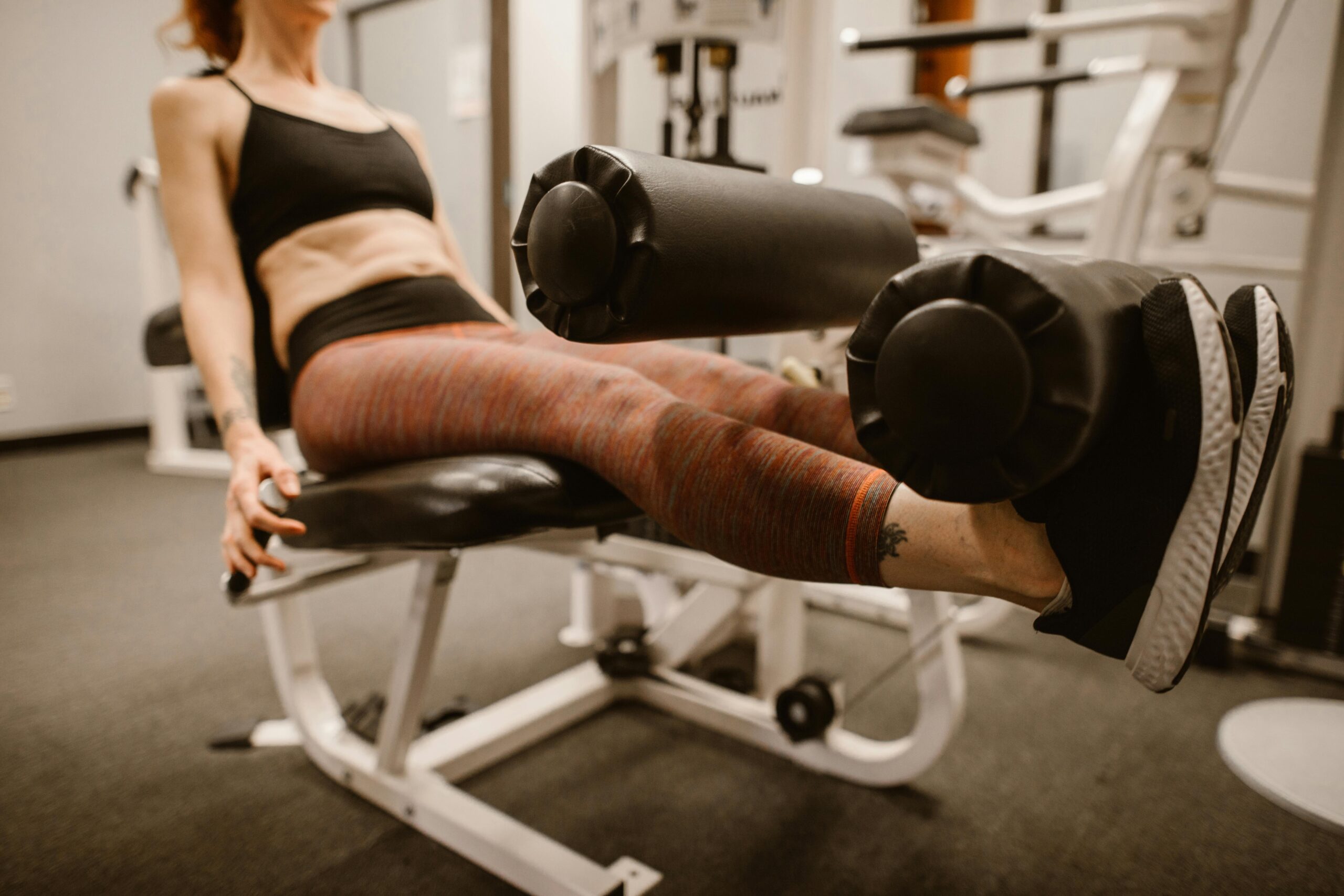
Balanced leg development requires attention to your hamstrings, and the leg curl machine delivers targeted work for these often-neglected muscles. Whether lying or seated, position the pad just above your ankles and curl your legs toward your glutes with smooth, controlled motion.
Strong hamstrings are crucial for knee health, running performance, and overall leg aesthetics. They also balance the quad-dominant exercises most beginners naturally gravitate toward, reducing injury risk and creating more proportional leg development.
Leg Extension: Quad Isolation Perfection
The leg extension machine isolates your quadriceps like no other exercise. Adjust the back pad for comfort, position the lower pad just above your ankles, and extend your legs until nearly straight. This isolation exercise helps you develop mind-muscle connection—the ability to consciously engage specific muscles.
While some fitness experts debate its role in advanced programs, the leg extension remains excellent for beginners learning to activate their quads properly. Use moderate weight and focus on the squeeze at the top of the movement.
Core and Full-Body Machine Options
Cable Machine: Versatility Meets Function
Cable machines offer incredible versatility for training your entire body from various angles. The adjustable pulleys allow endless exercise variations, from cable crunches for abs to wood chops for obliques. The constant tension cables provide creates unique muscle stimulus compared to traditional weight stacks.
For beginners, start with basic movements like cable rows, cable chest flies, and standing cable crunches. The smooth resistance helps you maintain proper form while learning new movement patterns. As you progress, the cable machine becomes increasingly valuable for adding variety to your routine.
Assisted Pull-Up/Dip Machine: Conquering Bodyweight Movements
Pull-ups and dips are phenomenal exercises, but most beginners can’t perform them unassisted initially. The assisted version uses counterbalance weight to reduce how much of your bodyweight you’re lifting. This allows you to build the specific strength needed for these movements progressively.
Start with enough assistance that you can complete 8-10 repetitions with good form. As you grow stronger, gradually reduce the assistance weight. Eventually, you’ll achieve unassisted pull-ups and dips—major fitness milestones that showcase real strength development.
📱 Tracking Your Machine-Based Workouts
Consistent progress tracking transforms random gym visits into structured fitness development. Several excellent apps help beginners log workouts, track weights, and monitor improvements over time. Recording your exercises, sets, reps, and weights creates accountability and reveals progress patterns you might otherwise miss.
Many fitness tracking applications include exercise libraries with video demonstrations, pre-built beginner programs, and rest timers. These features complement machine-based training perfectly, helping you stay organized and motivated throughout your fitness journey.
Creating Your First Machine-Based Workout Routine
The Beginner Full-Body Blueprint
Your first month should focus on full-body workouts performed three times weekly with rest days between sessions. This frequency allows adequate recovery while establishing consistent habits. Each workout should include 6-8 exercises covering major muscle groups.
A sample beginner routine might include:
- Leg press: 3 sets of 12-15 reps
- Chest press machine: 3 sets of 12-15 reps
- Lat pulldown: 3 sets of 12-15 reps
- Leg curl: 2 sets of 12-15 reps
- Shoulder press machine: 2 sets of 12-15 reps
- Cable crunches: 2 sets of 15-20 reps
Rest 60-90 seconds between sets, focusing on proper form rather than heavy weights. Your muscles should feel worked but not completely exhausted. Remember, you’re building a foundation, not preparing for competition.
Progressive Overload: The Growth Secret
Progressive overload means gradually increasing workout demands over time. For machine training, this typically means adding small weight increments when exercises become comfortable. If you can complete all prescribed sets and reps with good form for two consecutive workouts, increase the weight slightly next session.
Document every workout to track these progressions accurately. Even small improvements—like adding 5 pounds to your leg press or completing one extra rep—represent real progress. These incremental gains compound dramatically over months and years.
Common Machine Workout Mistakes to Avoid
Using Too Much Weight Too Soon
The most common beginner mistake is selecting weights that compromise form. Your ego might push for heavier loads, but proper form with moderate weight produces better results and prevents injuries. If you’re jerking, bouncing, or contorting to complete reps, reduce the weight immediately.
Master the movement pattern first, then gradually increase resistance. The muscle-building stimulus comes from controlled tension, not how many plates you use. Quality repetitions with 60-70% of maximum effort build more strength initially than struggling with excessive weight.
Neglecting Proper Machine Adjustments
Every machine requires personalized adjustments for your height and limb length. Skipping these adjustments reduces effectiveness and increases injury risk. Take time before each exercise to adjust seats, pads, and handles according to posted guidelines and your body proportions.
If something feels awkward or causes pinching or unusual pain, readjust before continuing. Machines should feel natural and comfortable throughout the movement range. Don’t hesitate to ask gym staff for adjustment assistance—that’s part of their job.
Rushing Through Repetitions
Effective strength training requires controlled tempo, not speed. Each repetition should take 3-4 seconds total: 1-2 seconds lifting, brief pause, 1-2 seconds lowering. This controlled pace maximizes muscle tension and improves results significantly compared to rapid, momentum-driven reps.
The lowering (eccentric) phase is particularly important for muscle growth. Resist the weight as it returns to starting position rather than letting it drop. This phase causes significant muscle adaptation and shouldn’t be wasted.
💪 Nutrition Basics to Support Your Machine Training
Exercise represents only part of the fitness equation—nutrition fuels your workouts and recovery. As a beginner focusing on machine training, you don’t need complicated meal plans, but understanding basic principles makes tremendous difference.
Protein supports muscle repair and growth. Aim for 0.7-1 gram per pound of body weight daily from sources like chicken, fish, eggs, dairy, legumes, and protein supplements if needed. Distribute protein across meals rather than consuming it all at once for optimal muscle protein synthesis.
Carbohydrates provide workout energy. Include quality carb sources like oats, rice, potatoes, and fruits around your training sessions. Don’t fear carbs—they’re essential for performance and recovery, especially as workout intensity increases.
Healthy fats from nuts, avocados, olive oil, and fatty fish support hormone production and overall health. Hydration is equally crucial—drink water consistently throughout the day, particularly before, during, and after workouts.
Building Consistency and Long-Term Success
Setting Realistic Expectations
Fitness transformations require time—there’s no way around this reality. Visible muscle development typically emerges after 8-12 weeks of consistent training, while strength gains appear sooner. Setting realistic timelines prevents discouragement and helps maintain motivation during the initial adaptation phase.
Focus on process goals (completing three workouts weekly) rather than outcome goals (losing 20 pounds). Process goals are entirely within your control and create sustainable habits that ultimately deliver outcome goals automatically.
Finding Your Workout Schedule Sweet Spot
Consistency beats intensity for beginners. Three quality machine workouts weekly produce excellent results and fit most schedules. More isn’t always better—adequate recovery allows muscles to repair and grow stronger. Listen to your body and don’t confuse soreness with productivity.
Choose workout times that align with your natural energy patterns and life commitments. Morning training works wonderfully for some people, while others perform better in the evening. The best schedule is the one you’ll maintain consistently.
Celebrating Small Victories
Acknowledge every achievement along your journey. Completing your first month of consistent training deserves celebration. Adding weight to an exercise represents real progress. Noticing improved energy or better sleep quality are legitimate victories worth recognizing.
These small wins accumulate into major transformations. Keep a journal documenting not just workout numbers but how you feel, energy improvements, confidence gains, and lifestyle changes. Reviewing this record during challenging periods reinforces why you started and how far you’ve progressed.
When to Progress Beyond Basic Machine Training
Machine-based workouts provide excellent long-term benefits, but many lifters eventually incorporate free weights, bodyweight exercises, or specialized training methods. This transition typically happens after 3-6 months when basic movement patterns feel natural and strength foundations are established.
Signs you’re ready to expand include: completing workouts easily at higher machine weight settings, feeling comfortable with gym environment and equipment, understanding basic training principles, and wanting new challenges. This progression is natural and exciting—it means your beginner phase successfully prepared you for advanced training.
However, there’s no requirement to abandon machines entirely. Many experienced lifters maintain machine exercises for specific muscle groups or use them for high-quality volume work after compound free-weight movements. Machines remain valuable tools at every fitness level.
Your Transformation Starts Now
Machine-based workouts eliminate common barriers that prevent gym newcomers from achieving fitness goals. The guided movements, safety features, and straightforward progression systems create an environment where anyone can build strength, confidence, and sustainable exercise habits.
Your fitness journey doesn’t require complicated programming, expensive personal trainers, or intimidating free-weight areas. Start with these accessible machines, focus on consistent effort, and watch your body respond. The hardest part is beginning—everything else follows from that crucial first step.
Remember that everyone in the gym started exactly where you are now. Those experienced lifters performing impressive exercises were once beginners learning basic machine movements. Your current starting point doesn’t determine your destination—your consistency, patience, and commitment do.
The gym floor awaits with equipment specifically designed to support your success. Armed with this knowledge about machine-based training, you’re prepared to begin a transformative fitness journey. Your future stronger, healthier, more confident self will thank you for starting today. Now stop reading and start lifting—your revolution begins with your very next workout. 🚀