In today’s fast-paced world, finding time for fitness can feel impossible. Machine-based workouts offer a solution that combines effectiveness with efficiency, allowing you to achieve remarkable results without spending hours at the gym.

Whether you’re a busy professional, a parent juggling multiple responsibilities, or someone who simply values their time, understanding how to maximize gym machine workouts can revolutionize your approach to fitness. The key lies not in how long you exercise, but in how strategically you use each minute.
⚡ Why Machine Workouts Excel for Time-Pressed Individuals
Gym machines have evolved significantly from their basic predecessors. Modern resistance equipment offers precision, safety, and efficiency that free weights sometimes can’t match, especially when you’re working against the clock. Unlike compound free-weight movements that require extensive warm-up protocols and technique mastery, machines provide guided motion paths that reduce learning curves dramatically.
The stabilization factor is crucial here. When you’re pressed for time, machines eliminate the need for extensive core engagement and balance work required with free weights. This means you can target specific muscle groups more directly, leading to faster fatigue of the intended muscles without exhausting your entire system. For someone with only 30-45 minutes to spare, this specificity becomes invaluable.
Safety considerations also matter immensely. Machine exercises reduce injury risk substantially, meaning you can push closer to failure without a spotter. This capability to safely reach muscular exhaustion translates to better results per session, a critical factor when frequency is limited by time constraints.
🎯 Strategic Exercise Selection for Maximum Impact
Not all machines deliver equal value when time is your most precious resource. The most effective time-efficient machine workout plans prioritize compound movements that engage multiple muscle groups simultaneously while maintaining the safety advantages of guided equipment.
The leg press stands as perhaps the ultimate time-efficient lower body machine. In a single exercise, you activate quadriceps, hamstrings, glutes, and calves with adjustable foot positioning. A well-structured leg press protocol can replace three separate isolation exercises, cutting your lower body routine time by more than half.
Cable machines deserve special mention for their versatility. A single cable station can facilitate dozens of exercises targeting every major muscle group. The continuous tension provided by cables throughout the entire range of motion creates superior muscle activation compared to traditional weight stacks, meaning you need fewer sets to achieve the same stimulus.
The Power Machines You Need to Prioritize
- Chest Press Machine: Targets pectorals, anterior deltoids, and triceps simultaneously with minimal setup time
- Lat Pulldown: Develops the entire back musculature while building grip strength and bicep engagement
- Leg Press: Comprehensive lower body development in one movement pattern
- Shoulder Press Machine: Builds overhead pressing strength across deltoids and triceps efficiently
- Seated Row: Addresses posterior chain development with automatic spinal support
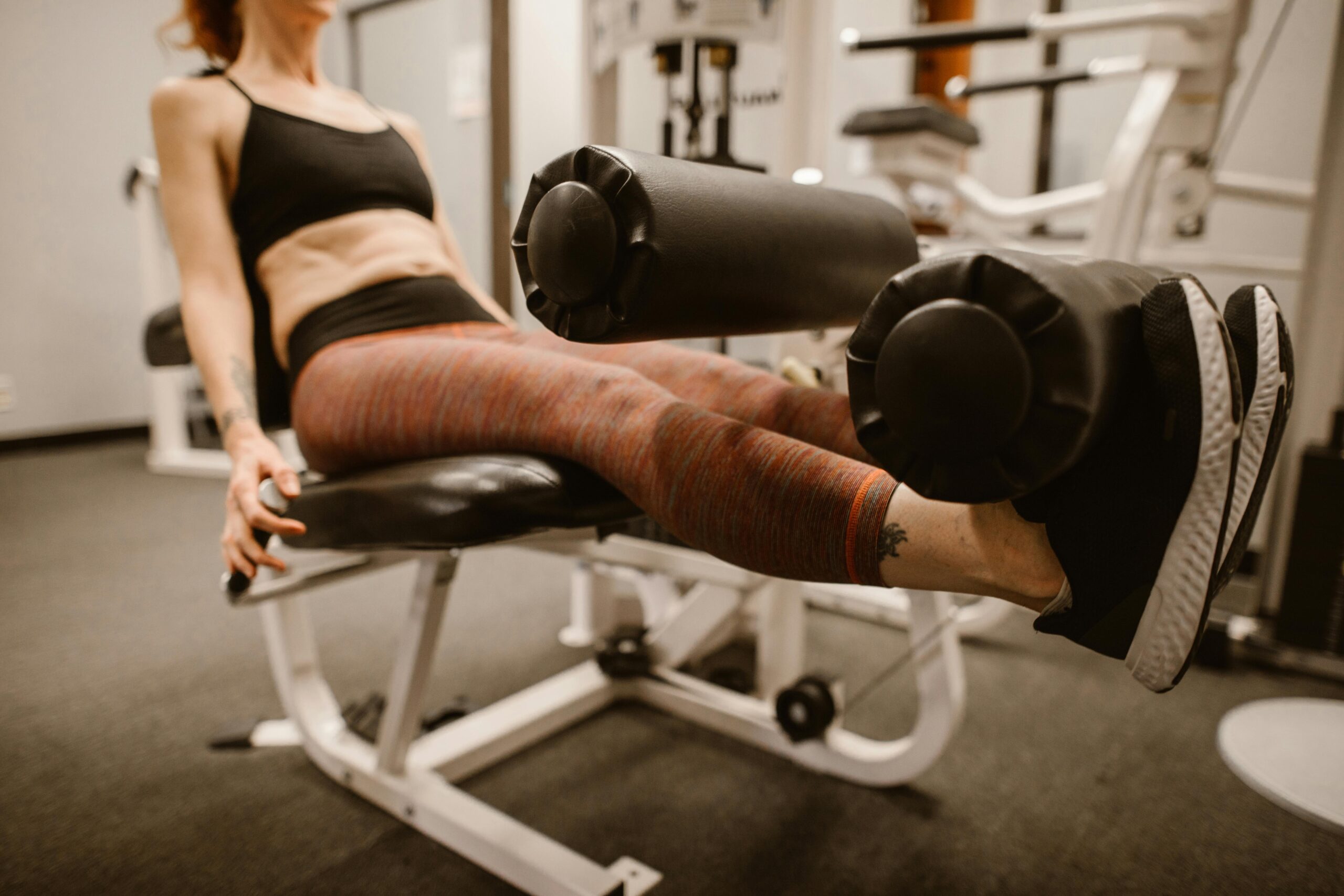
- Leg Curl Machine: Essential hamstring isolation that complements leg press work
📊 Time-Efficient Training Protocols That Actually Work
The secret to transforming fitness in minimal time isn’t just about choosing the right machines—it’s about implementing scientifically-backed training protocols that maximize adaptation per minute invested. Traditional workout structures often include excessive rest periods and redundant exercises that inflate session duration without proportional benefits.
Circuit training on machines represents one of the most time-efficient approaches available. By moving quickly between exercises targeting different muscle groups, you maintain elevated heart rate while allowing specific muscles to recover. This approach delivers both strength and cardiovascular benefits simultaneously, essentially giving you two workouts in the time normally required for one.
Rest-pause training offers another powerful strategy. Instead of performing traditional straight sets with 2-3 minute rest periods, you can perform a heavy set to near-failure, rest just 15-20 seconds, then continue with the same weight. This technique creates profound muscle stimulus in a fraction of the time required by conventional approaches.
Sample 30-Minute Full-Body Machine Circuit
| Exercise | Duration/Reps | Transition Time |
|---|---|---|
| Leg Press | 12-15 reps | 30 seconds |
| Chest Press Machine | 10-12 reps | 30 seconds |
| Lat Pulldown | 10-12 reps | 30 seconds |
| Shoulder Press Machine | 10-12 reps | 30 seconds |
| Seated Row | 12-15 reps | 30 seconds |
| Leg Curl | 12-15 reps | 2-minute rest, then repeat circuit 2-3 times |
💪 Progressive Overload in Abbreviated Sessions
Many people mistakenly believe that shorter workouts mean sacrificing progress. The reality is that progressive overload—the fundamental principle driving all fitness adaptations—works perfectly well in condensed timeframes when applied intelligently. The key is tracking performance metrics and systematically increasing demands on your muscles.
With machine exercises, progression becomes remarkably straightforward. The pin-loaded weight stacks or plate-loading systems allow precise incremental increases. Unlike free weights where the smallest jump might be 5 pounds per hand, machines often offer 5-10 pound increments for the entire load, making gradual progression more manageable.
Time-based progression represents another valuable approach for abbreviated workouts. Rather than adding weight, you can reduce rest periods between sets or circuits while maintaining the same loads. This method increases workout density—the amount of work performed per unit time—which drives both strength and conditioning adaptations simultaneously.
🔥 Intensity Techniques for Accelerated Results
When time is limited, intensity must increase proportionally to maintain progress. Advanced training techniques that would be dangerous or impractical with free weights become accessible and safe when performed on machines, allowing you to extract maximum benefit from every minute.
Drop sets represent perhaps the most effective intensity amplifier for machine training. After reaching failure at a given weight, you immediately reduce the load and continue to failure again, sometimes repeating this process multiple times. This technique creates extraordinary metabolic stress and muscle damage—two key mechanisms of hypertrophy—in approximately 60-90 seconds per exercise.
Forced repetitions gain new utility in machine contexts. Without a spotter, free-weight forced reps become impossible, but self-spotted forced reps work brilliantly on machines. On unilateral machines, you can use your non-working limb to assist after reaching failure, extending the set beyond normal limits safely.
Implementing Super Sets for Time Compression
Super sets—performing two exercises back-to-back without rest—compress workout time while potentially enhancing results. Antagonist super sets pair opposing muscle groups like chest and back, allowing one muscle group to recover while the other works. This approach can reduce total workout time by 40-50% compared to traditional straight-set protocols.
Pre-exhaustion super sets offer another strategic option. You perform an isolation machine exercise immediately before a compound movement, fatiguing the target muscle first. For example, leg extensions immediately before leg press ensures your quadriceps reach failure before your cardiovascular system or supporting muscles limit the set.
📱 Technology Integration for Enhanced Efficiency
Modern fitness technology has revolutionized how we approach time-efficient training. Workout tracking applications help you eliminate guesswork, reduce between-set downtime, and ensure consistent progressive overload—all critical factors when every minute counts.
Digital workout logs allow you to pre-plan entire sessions, including exercise selection, load progressions, and rest periods. This preparation eliminates the mental fatigue of deciding what to do next, keeping your workout momentum flowing smoothly. Many applications also include timers that alert you when rest periods end, preventing the common problem of extended rest that inflates workout duration unnecessarily.
Video analysis capabilities in modern smartphones provide another efficiency advantage. Recording your form on key exercises allows you to self-coach, identifying technique issues without requiring professional observation. This self-sufficiency means you spend less time seeking instruction and more time executing effective training.
⏰ Optimal Scheduling for Consistency and Results
The most brilliant workout plan delivers zero results if you can’t execute it consistently. Scheduling strategy becomes paramount when designing time-efficient machine workout plans, as even 30-minute sessions require commitment and planning in busy schedules.
Morning workouts offer distinct advantages for time-pressed individuals. Early sessions face fewer scheduling conflicts, as unexpected work demands or social obligations rarely intrude before 7 AM. Additionally, completing your workout first thing creates psychological momentum, improving adherence rates significantly compared to evening plans that compete with fatigue and competing demands.
Frequency considerations matter tremendously for abbreviated sessions. Three well-executed 30-minute workouts per week deliver superior results to sporadic 90-minute sessions when consistency is factored. The reduced recovery demands of shorter sessions also allow more frequent training, potentially increasing total weekly training volume despite individual session brevity.
🎨 Customizing Your Time-Efficient Machine Program
One-size-fits-all approaches rarely optimize results. Your ideal time-efficient machine workout plan should reflect your individual goals, current fitness level, available equipment, and specific time constraints. The flexibility of machine training makes this customization straightforward.
For muscle building priorities, lower repetition ranges (6-12 reps) with longer rest periods between circuits maximize hypertrophic stimulus. You might perform 3-4 circuits of 5-6 exercises with 90-120 seconds between circuits, completing a comprehensive session in 35-40 minutes.
Fat loss emphasis shifts the protocol toward higher repetitions (12-20 reps) with minimal rest, maximizing caloric expenditure and metabolic disturbance. Four circuits of 6-8 exercises with just 60 seconds between circuits creates significant cardiovascular demand while maintaining muscle-building stimulus, achievable within 30 minutes.
Strength-Focused Time-Efficient Approach
Contrary to popular belief, you can build meaningful strength in abbreviated machine workouts. The key is emphasizing a few compound machine movements with heavier loads and implementing wave loading or cluster set protocols that allow sufficient recovery between high-intensity efforts while keeping total session time reasonable.
A strength-focused machine session might include just 3-4 exercises performed for 5-6 sets of 3-6 repetitions with 2-minute rest periods. This approach completes in approximately 35-40 minutes while providing adequate volume and intensity for strength adaptations.
🚀 Breaking Through Plateaus in Limited Time
Progress inevitably stalls even in well-designed programs. When plateaus occur in time-efficient training contexts, strategic variation becomes essential. The machine training environment offers numerous modification options that provide fresh stimulus without requiring additional time investment.
Tempo manipulation represents one of the most underutilized progression variables. Slowing down the eccentric (lowering) phase to 4-5 seconds dramatically increases time under tension without adding sets or exercises. This technique creates profound muscle damage and metabolic stress, often breaking through plateaus that resisted load increases.
Partial repetition protocols offer another breakthrough strategy. Performing half or quarter repetitions in the strongest portion of the range of motion with supramaximal loads recruits high-threshold motor units that normal full-range training might not fully activate, stimulating new adaptations.
🏆 Measuring Success Beyond the Scale
Time-efficient training success requires appropriate measurement strategies. Traditional metrics like body weight change slowly and reflect numerous variables beyond your workout effectiveness. More responsive markers provide better feedback for abbreviated training programs.
Performance metrics shine in machine training contexts. Tracking the total weight moved per session (sets × reps × load) provides an objective measure of workout quality. Increasing this number over time confirms productive training regardless of body composition changes that might lag behind strength improvements.
Repetition personal records on standard exercises offer another valuable metric. If your maximum leg press repetitions at 200 pounds increases from 12 to 18 over six weeks, you’ve clearly improved regardless of scale changes. These performance markers provide motivating feedback that sustains commitment to time-efficient protocols.
💡 Sustainability and Long-Term Adherence
The ultimate measure of any training program is whether you’ll still be following it six months or six years later. Time-efficient machine workout plans excel in this regard precisely because they accommodate real-life constraints rather than demanding adherence to unrealistic time commitments.
The psychological relief of knowing your workout requires just 30-45 minutes removes a major adherence barrier. You’re far more likely to maintain consistency when sessions fit comfortably into your schedule rather than requiring complex schedule rearrangement. This consistency compounds over months and years, delivering transformative results that sporadic longer sessions never achieve.
Flexibility represents another sustainability advantage. When unexpected time constraints arise, you can abbreviate an already-short session to 20 minutes by reducing circuits or exercises while maintaining the core training stimulus. This adaptability prevents the all-or-nothing thinking that derails many fitness programs.
🌟 Transforming Your Fitness Relationship Through Efficiency
Embracing time-efficient machine workout plans often catalyzes a broader transformation in how you approach fitness. Rather than viewing exercise as a time-consuming obligation competing with other life priorities, abbreviated sessions reframe training as a manageable, sustainable practice that enhances rather than disrupts your lifestyle.
This mindset shift has profound implications. When you prove to yourself that meaningful results come from consistent 30-minute sessions rather than sporadic gym marathons, fitness becomes accessible regardless of life circumstances. Career changes, family responsibilities, and other demands that previously derailed fitness efforts no longer pose insurmountable obstacles.
The confidence gained from successfully implementing time-efficient training often extends beyond the gym. Demonstrating that strategic effort trumps sheer time investment builds problem-solving skills and efficiency mindsets applicable across all life domains. Your workout plan becomes a laboratory for optimizing results in minimal time—a skill increasingly valuable in our attention-fragmented world.
Machine-based training programs designed around time efficiency represent far more than compromise solutions for busy people. They embody intelligent training design that respects both exercise science and real-world constraints. By focusing on strategic exercise selection, evidence-based protocols, and consistent execution, you can achieve remarkable transformations without demanding unrealistic time commitments. The machines are waiting—your 30-minute transformation starts now.