Finding the perfect balance between staying active and protecting your joints doesn’t have to be complicated. Low-impact machine workouts offer an intelligent solution for building strength and endurance without the harsh stress that traditional exercises can place on your body.

Whether you’re recovering from an injury, managing chronic pain, or simply seeking a sustainable fitness approach, machine-based workouts provide controlled movements that minimize joint strain while maximizing results. These gentle yet effective routines cater to all fitness levels, from beginners taking their first steps toward better health to seasoned athletes incorporating recovery sessions into their training regimen.
Understanding the Power of Low-Impact Machine Training 💪
Low-impact exercises are movements that keep one foot in contact with the ground at all times, or in the case of machines, maintain continuous support for your body throughout the exercise. This fundamental difference reduces the jarring forces that high-impact activities like running or jumping place on your joints, bones, and connective tissues.
Machine workouts take this concept further by providing guided movement patterns, adjustable resistance, and built-in safety features. The mechanical support helps maintain proper form, reducing the risk of injury while allowing you to focus on muscle engagement and breathing. This controlled environment makes machines particularly valuable for those with mobility limitations, arthritis, osteoporosis, or anyone seeking joint-friendly fitness options.
Research consistently shows that low-impact training can deliver comparable cardiovascular and strength benefits to high-impact exercises when performed with adequate intensity and consistency. The key advantage lies in sustainability—you can train more frequently with less recovery time, leading to better long-term adherence and results.
Essential Low-Impact Machines for Complete Fitness ⚙️
Selecting the right equipment forms the foundation of an effective low-impact workout routine. Each machine offers unique benefits and targets different aspects of fitness, from cardiovascular endurance to muscular strength.
Elliptical Trainers: The Cardio Champion
The elliptical machine stands as one of the most popular low-impact cardio options, and for good reason. Its smooth, gliding motion mimics natural walking or running patterns while eliminating the repetitive impact that can damage knees, hips, and ankles over time.
Modern ellipticals offer adjustable incline settings, variable resistance levels, and even reverse motion capabilities to target different muscle groups. The moving handlebars provide an optional upper body workout, engaging your arms, shoulders, and back while your legs power through the elliptical stride. This full-body engagement can burn significant calories while distributing the workload across multiple muscle groups.
For optimal results, maintain an upright posture, engage your core throughout the movement, and vary your workout intensity using interval training techniques. Start with 15-20 minutes at a moderate pace, gradually increasing duration and resistance as your fitness improves.
Recumbent Bikes: Comfortable Cardiovascular Training
Recumbent bikes provide exceptional back support through their reclined seating position, making them ideal for individuals with lower back concerns or those who need additional stability during exercise. The semi-reclined position reduces spinal compression while still delivering an effective cardiovascular workout.
These machines primarily target your quadriceps, hamstrings, and glutes while maintaining minimal stress on your knees and hips. The comfortable seat design allows for longer workout sessions without the discomfort sometimes associated with traditional upright bikes. Many users find they can sustain moderate-intensity exercise for extended periods, leading to improved endurance and calorie expenditure.
Rowing Machines: Total Body Integration
Rowing machines deliver one of the most comprehensive low-impact workouts available, engaging approximately 85% of your body’s muscle groups with each stroke. The fluid, rhythmic motion provides cardiovascular benefits while simultaneously building strength in your legs, core, back, shoulders, and arms.
The key to effective rowing lies in proper technique: drive with your legs first, then engage your core and pull with your arms. This sequential activation pattern ensures balanced muscle development and prevents strain. The smooth, controlled movement pattern keeps impact minimal while the adjustable resistance allows for progressive overload as you grow stronger.
Cable Machines: Versatile Strength Training
Cable machines offer unmatched versatility for low-impact strength training. The constant tension provided by the cable system engages muscles throughout the entire range of motion, promoting balanced development and functional strength. Unlike free weights that rely on gravity, cables can provide resistance from any angle, allowing for countless exercise variations.
From chest presses and rows to leg exercises and core work, cable machines accommodate exercises for every major muscle group. The adjustable weight stacks make it easy to fine-tune resistance, while the guided motion paths help maintain proper form even as you fatigue.
Designing Your Low-Impact Machine Workout Program 📋
Creating an effective workout routine requires thoughtful planning that balances cardiovascular exercise, strength training, and adequate recovery. The following framework provides a sustainable approach to building fitness without overwhelming your body.
Beginner-Friendly Starting Point
If you’re new to exercise or returning after a long break, begin with three sessions per week, allowing at least one rest day between workouts. Each session should include a 5-minute warm-up on your chosen cardio machine at low intensity, followed by the main workout, and conclude with a 5-minute cool-down.
Your initial workouts might look like this:
- 10-15 minutes of elliptical or recumbent bike at comfortable pace
- 2 sets of 10-12 repetitions on 4-6 different cable machine exercises
- Focus on major muscle groups: chest, back, legs, and core
- Rest 60-90 seconds between sets
Listen to your body during these early sessions. Some muscle soreness is normal, but sharp pain or joint discomfort signals the need to reduce intensity or modify your approach.
Intermediate Progression Strategy
Once you’ve established a consistent routine for 4-6 weeks, gradually increase workout frequency to 4-5 sessions weekly. Introduce variety by alternating between different machines and incorporating interval training into your cardio sessions.
An intermediate weekly schedule might include:
- Two dedicated cardio days with 25-30 minutes of moderate to high-intensity intervals
- Two strength-focused sessions using cable machines and other resistance equipment
- One combined session integrating both cardio and strength elements
Progressive overload remains essential—gradually increase resistance, duration, or workout complexity every 2-3 weeks to continue challenging your body and promoting adaptation.
Advanced Training Techniques
Experienced exercisers can maximize low-impact machine workouts through strategic programming that emphasizes intensity over impact. Circuit training formats work exceptionally well, combining brief cardio bursts on ellipticals or rowers with strength exercises on cable machines.
Consider implementing supersets, where you perform two exercises back-to-back without rest, or try time-under-tension techniques that slow down movements to increase muscular challenge. These advanced methods deliver significant fitness gains while maintaining the joint-friendly nature of machine-based training.
Specific Routines for Strength and Stamina 🎯
Practical, ready-to-use workout templates help translate theory into action. The following routines target different fitness goals while maintaining low-impact principles.
Cardiovascular Endurance Builder
This 30-minute routine enhances stamina and cardiovascular health through varied machine work:
- 5 minutes elliptical warm-up (easy pace, resistance level 3-4)
- 8 minutes recumbent bike intervals (2 minutes moderate, 1 minute challenging, repeat)
- 8 minutes rowing machine steady state (moderate intensity, focus on technique)
- 6 minutes elliptical with incline variation (change incline every 2 minutes)
- 3 minutes cool-down (gradually decreasing intensity)
This circuit-style approach prevents boredom while challenging different muscle groups and energy systems throughout the workout.
Full-Body Strength Session
This comprehensive strength routine uses cable machines to build functional muscle throughout your entire body. Perform 3 sets of 12-15 repetitions for each exercise with 45-60 seconds rest between sets:
- Cable chest press (targeting pectorals and triceps)
- Seated cable rows (strengthening back and biceps)
- Cable squats or leg press (building lower body power)
- Cable shoulder press (developing deltoid strength)
- Cable wood chops (engaging core and obliques)
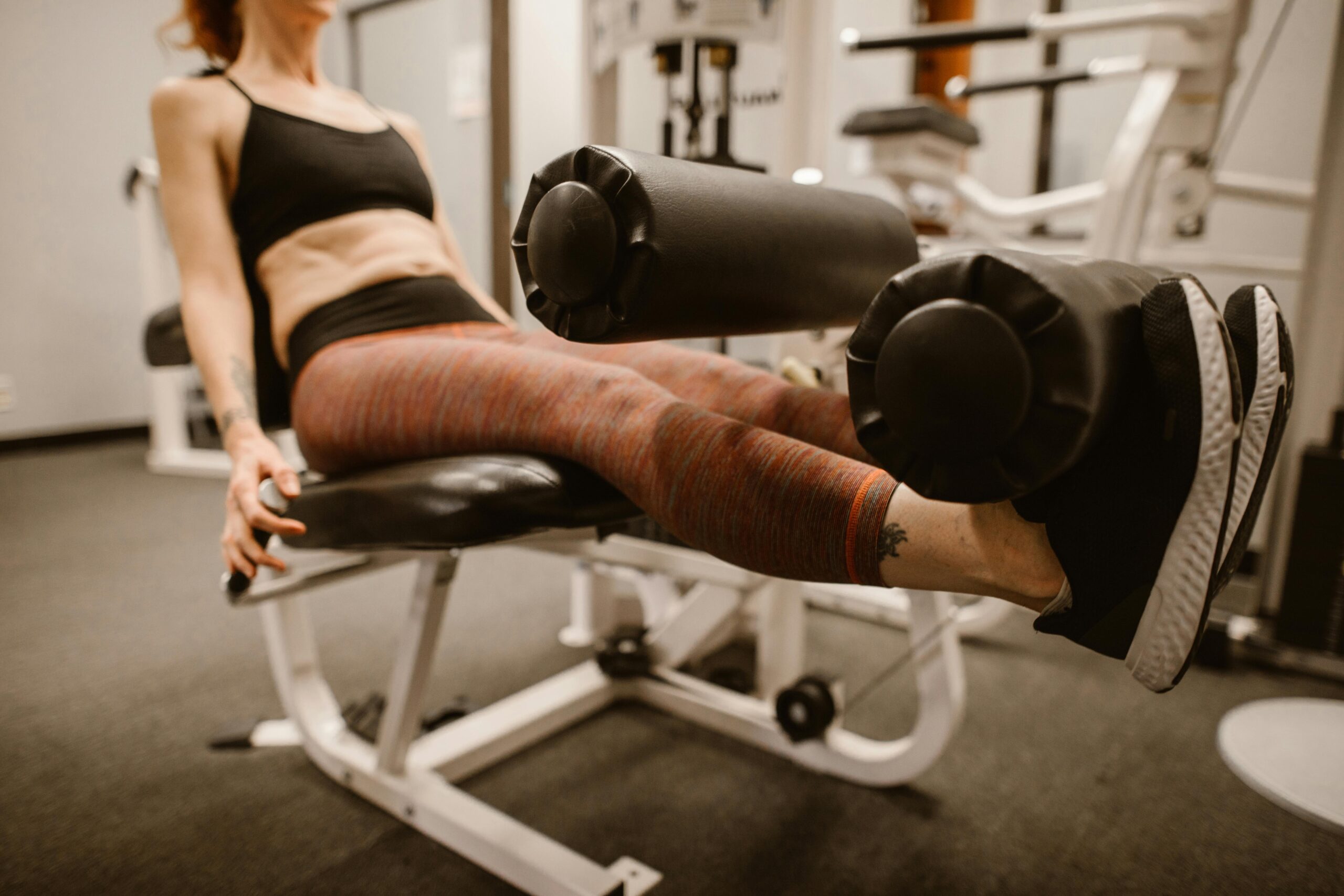
- Cable leg curls (isolating hamstrings)
Focus on controlled movements with deliberate muscle engagement rather than rushing through repetitions. Quality trumps quantity in strength training.
Active Recovery and Mobility
Even low-impact training requires strategic recovery sessions. This gentle routine promotes circulation and flexibility without adding significant stress:
- 15 minutes recumbent bike at conversational pace
- Light cable exercises with minimal resistance (2 sets of 15-20 reps)
- Focus on movement quality and range of motion
- Conclude with stretching major muscle groups
These recovery sessions help maintain consistency while allowing your body to repair and adapt between more challenging workouts.
Maximizing Results Through Smart Training Strategies 🚀
Success with low-impact machine workouts extends beyond simply showing up to the gym. Strategic approaches to intensity, progression, and recovery dramatically influence your results.
Monitoring Intensity Without Impact
Just because exercises are low-impact doesn’t mean they should be low-intensity. Use heart rate monitoring, perceived exertion scales, or talk tests to ensure you’re working hard enough to stimulate adaptation. Most cardiovascular benefits occur when exercising at 60-85% of your maximum heart rate.
For strength training, select resistance levels that make the last 2-3 repetitions of each set challenging while maintaining proper form. If you can easily complete 15 repetitions, increase the weight. This progressive challenge signals your muscles to grow stronger and more resilient.
Preventing Plateaus
Your body adapts remarkably quickly to consistent training stimuli, which can lead to plateaus where progress stalls. Combat this by regularly introducing variations: change machine settings, alter exercise order, adjust rest periods, or try completely different movement patterns every 4-6 weeks.
Periodization—structuring your training in planned phases emphasizing different qualities—helps maintain long-term progress. Alternate between phases focused on endurance, strength, power, or recovery to continuously challenge your body in new ways.
The Recovery Equation
While low-impact training is easier on your joints, your muscles, nervous system, and metabolic processes still need adequate recovery. Prioritize 7-9 hours of quality sleep, maintain proper hydration, and consume adequate protein to support muscle repair and growth.
Listen to fatigue signals and incorporate lighter training days or complete rest days as needed. Chronic fatigue, declining performance, or persistent soreness indicate insufficient recovery and warrant adjustments to your program.
Addressing Common Challenges and Solutions 🔧
Even with the best-designed program, obstacles inevitably arise. Anticipating common challenges and having solutions ready keeps your fitness journey on track.
When Progress Seems Slow
Low-impact training sometimes feels less intense than high-impact alternatives, leading some people to question its effectiveness. Remember that sustainable, consistent training always outperforms sporadic high-intensity efforts that lead to burnout or injury.
Track objective measures like workout duration, resistance levels, heart rate data, or body measurements rather than relying solely on subjective feelings. Progress often occurs gradually and becomes most apparent when reviewing longer-term trends.
Managing Workout Monotony
Machine workouts can sometimes feel repetitive. Combat boredom by creating varied playlists, listening to podcasts or audiobooks, finding workout partners, or setting specific weekly challenges. Many people find that tracking workouts in a fitness app provides motivation through visible progress documentation.
Adapting to Physical Limitations
One of the greatest advantages of machine-based training is its adaptability to various physical conditions. If certain movements cause discomfort, most machines offer adjustments or alternative exercise options targeting similar muscle groups.
Work with fitness professionals or physical therapists if you have specific medical conditions or injuries. They can help modify exercises to accommodate your needs while still achieving your fitness goals.
Nutrition Considerations for Low-Impact Training Success 🥗
Your workout routine represents only one component of fitness success. Proper nutrition fuels your training, supports recovery, and enables the body composition changes many people seek.
Prioritize whole foods including lean proteins, colorful vegetables, whole grains, and healthy fats. Adequate protein intake (roughly 0.7-1 gram per pound of body weight daily) supports muscle maintenance and growth, particularly important when strength training forms part of your routine.
Stay properly hydrated before, during, and after workouts. Even mild dehydration impairs exercise performance and recovery. Time your meals strategically, consuming easily digestible carbohydrates and protein 1-2 hours before training for energy, and emphasizing protein within a few hours post-workout to optimize muscle repair.
Building Long-Term Fitness Habits That Last 🌟
The ultimate measure of any fitness program isn’t what you accomplish in days or weeks, but whether it becomes a sustainable part of your lifestyle. Low-impact machine workouts excel in this regard because their gentleness on your body makes consistent training more feasible.
Start by scheduling workouts like important appointments that you wouldn’t casually cancel. Early morning sessions often succeed because fewer conflicts arise before the day’s demands accumulate. Others prefer lunch breaks or evening workouts—find the timing that best fits your lifestyle and energy patterns.
Build supportive environments by preparing workout clothes in advance, keeping a gym bag ready, or setting up reminders on your phone. Small systems that reduce friction between intention and action dramatically improve consistency over time.
Celebrate non-scale victories like increased energy, better sleep quality, improved mood, or the ability to perform daily activities with greater ease. These meaningful changes often manifest before obvious physical transformations and provide motivation to continue when visual changes seem slow.
Remember that perfection isn’t the goal—sustainability is. Missing occasional workouts doesn’t derail your progress; abandoning the routine altogether does. When life disrupts your schedule, simply resume training as soon as possible without guilt or self-criticism.
Low-impact machine workouts offer a powerful path toward improved strength, stamina, and overall health without compromising joint integrity or requiring extreme intensity. By selecting appropriate machines, following structured progression, and maintaining consistency, you can build remarkable fitness that enhances your quality of life for years to come. The gentle nature of these routines makes them not just effective, but sustainable—the most important quality for any successful fitness approach.