Aging doesn’t mean surrendering your strength or vitality. With the right approach to fitness, older adults can maintain independence, boost energy levels, and enjoy life to the fullest through safe, effective exercise.

Machine-based workouts offer a perfect entry point for older beginners looking to revitalize their strength without the intimidation or injury risks associated with free weights. These programs provide stability, guided movements, and adjustable resistance that adapts to your current fitness level while progressively building muscle, bone density, and confidence. Whether you’re returning to exercise after years away or starting your fitness journey for the first time, understanding how to leverage gym machines safely can transform your health and independence in your golden years.
🏋️ Why Machine Workouts Are Perfect for Older Beginners
Resistance machines provide several distinct advantages that make them ideal for older adults starting their strength training journey. Unlike free weights that require significant stabilization and coordination, machines guide your movements along predetermined paths, reducing the risk of improper form and injury.
The seated or supported positions offered by most machines eliminate balance concerns that might otherwise prevent older adults from attempting certain exercises. This built-in stability allows you to focus entirely on the muscle groups being worked without worrying about falling or losing control of the weight.
Machines also offer quick, intuitive weight adjustments through pin-loaded systems, making it easy to find your appropriate starting resistance and progress gradually. This convenience encourages consistency and removes barriers that might otherwise discourage regular participation in strength training programs.
Protective Benefits for Aging Bodies
The controlled environment of machine exercises provides exceptional joint protection, which becomes increasingly important as we age. The fixed range of motion prevents excessive strain on vulnerable joints while still delivering effective muscle stimulation.
Many machines also feature padding and ergonomic designs that accommodate bodies with limited flexibility or mobility restrictions. These adaptations make exercise accessible even for those managing arthritis, previous injuries, or other age-related physical challenges.
Understanding Your Body’s Changing Needs After 50
As we age, our bodies undergo several physiological changes that influence how we should approach strength training. Muscle mass naturally decreases by approximately 3-8% per decade after age 30, with the rate accelerating after 60. This condition, called sarcopenia, contributes to weakness, falls, and loss of independence.
Bone density also declines with age, particularly in postmenopausal women, increasing fracture risk. The good news is that resistance training has been proven to slow, stop, or even reverse these processes when applied consistently and appropriately.
Your connective tissues, including tendons and ligaments, become less elastic and more prone to injury as collagen production decreases. This makes warming up, proper form, and gradual progression absolutely essential components of any workout program for older adults.
Metabolic and Cardiovascular Considerations
Metabolism slows with age, making weight management more challenging. Strength training helps counteract this by building lean muscle tissue, which burns more calories at rest than fat tissue. This metabolic boost can help maintain a healthy weight and improve blood sugar regulation.
Your cardiovascular system also requires attention, as maximum heart rate decreases and recovery times lengthen. A well-designed machine workout program accounts for these changes by including appropriate rest periods and avoiding exercises that create excessive cardiovascular demands before your body is ready.
🎯 Essential Machines for Your Strength-Building Foundation
A comprehensive machine workout program for older beginners should target all major muscle groups while respecting the body’s limitations. The following machines form the core of an effective, balanced routine that builds functional strength for everyday activities.
Leg Press: Building Lower Body Power
The leg press is perhaps the most valuable machine for older adults, as it strengthens the quadriceps, hamstrings, and glutes—muscle groups essential for walking, climbing stairs, and maintaining independence. The seated position with back support makes this exercise safer than traditional squats for those with balance concerns.
Position yourself with your feet hip-width apart on the platform, maintaining a slight bend in your knees at full extension to protect the joints. Start with light resistance to perfect your form before gradually increasing the weight over several weeks.
Chest Press: Upper Body Strength Without Strain
The chest press machine develops the pectoral muscles, shoulders, and triceps while providing complete back support. This exercise improves pushing strength needed for everyday tasks like opening heavy doors or moving furniture.
Adjust the seat height so the handles align with mid-chest level, and ensure your back remains firmly against the pad throughout the movement. Exhale as you press forward and inhale as you return to the starting position with control.
Seated Row: Posture and Back Strength
The seated row machine targets your back muscles, particularly the latissimus dorsi and rhomboids, while also engaging your biceps. Strong back muscles are crucial for maintaining upright posture and preventing the forward shoulder slump that commonly develops with age.
Sit with your chest against the support pad, grasp the handles, and pull them toward your torso while squeezing your shoulder blades together. This exercise helps counteract the effects of prolonged sitting and supports spinal health.
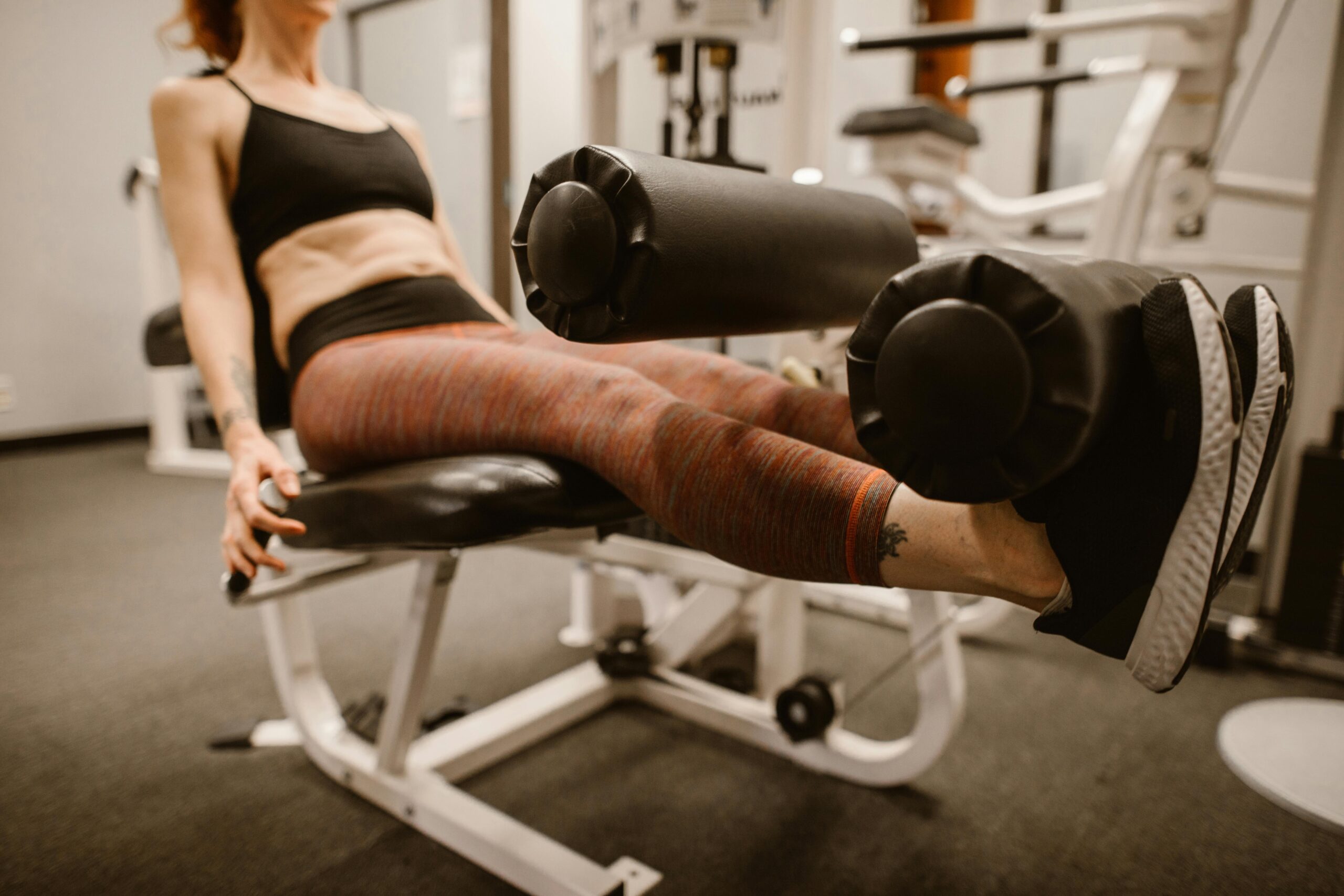
Leg Curl and Extension: Knee Stability and Function
These complementary machines isolate the hamstrings and quadriceps respectively, building strength around the knee joint. Strong leg muscles reduce stress on knee joints and can alleviate symptoms of arthritis while improving walking efficiency.
Use controlled movements without locking out your knees at full extension on the leg extension machine. Both exercises should feel challenging but never cause sharp pain in the joints.
Shoulder Press: Overhead Strength and Mobility
The shoulder press machine develops deltoid strength necessary for reaching overhead—a movement pattern essential for maintaining independence in daily activities like retrieving items from high shelves or changing light bulbs.
Start with lighter weights to assess your shoulder mobility and ensure pain-free movement. If you experience discomfort, work with a fitness professional to determine whether range-of-motion limitations need addressing before progressing.
Your Complete 8-Week Progressive Program 💪
This structured program gradually builds strength while allowing your body adequate recovery time. Each phase lasts approximately two to three weeks, with progression based on your individual response and comfort level.
Weeks 1-2: Foundation and Form Mastery
During the initial phase, focus exclusively on learning proper form and developing the mind-muscle connection. Perform 1-2 sets of 10-12 repetitions for each exercise using light resistance that feels easy.
Schedule two workout sessions per week with at least two full days between sessions. Use this time to observe how your body responds and to identify any exercises that require modification or professional guidance.
Weeks 3-4: Building Consistency
Increase to 2 sets of 10-12 repetitions per exercise, and slightly increase the resistance if the movements felt too easy during weeks one and two. Your muscles should feel fatigued by the final repetition of each set without compromising form.
Continue with two sessions per week. You may notice improved sleep quality, increased energy, and better mood as your body adapts to the new stimulus.
Weeks 5-6: Strength Development Phase
Progress to 2-3 sets of 10-12 repetitions, adding a third weekly session if your recovery permits. Gradually increase resistance when you can comfortably complete all repetitions with good form.
This phase typically produces noticeable strength gains. Activities like carrying groceries or playing with grandchildren may feel noticeably easier as your functional fitness improves.
Weeks 7-8: Consolidation and Confidence
Maintain 3 sets of 10-12 repetitions across three weekly sessions. By this point, you should feel confident with your form and notice significant improvements in strength, balance, and overall vitality.
This phase prepares you to either continue with maintenance training or progress to more advanced variations with guidance from a fitness professional.
⚠️ Safety Guidelines and Injury Prevention
Safety should always be your top priority when engaging in strength training. Following these guidelines will help ensure your workout program remains beneficial rather than harmful.
The Warming Up Protocol
Always begin with 5-10 minutes of light cardiovascular activity such as walking on a treadmill or cycling on a recumbent bike. This increases blood flow to your muscles, elevates body temperature, and prepares your joints for resistance training.
Follow cardiovascular warm-up with dynamic stretching movements that mimic the exercises you’ll perform, such as arm circles before upper body work or leg swings before lower body training.
Breathing Techniques for Safe Training
Never hold your breath during resistance exercises, as this can dangerously elevate blood pressure. Instead, exhale during the exertion phase (pushing or pulling against resistance) and inhale during the return phase.
Maintaining steady breathing also helps you stay relaxed and focused throughout each exercise, reducing tension that might otherwise lead to poor form or injury.
Recognizing Warning Signs
Understand the difference between normal muscle fatigue and problematic pain. Muscle fatigue feels like burning or tiredness in the working muscles, while concerning pain feels sharp, shooting, or localized in joints.
Stop exercising immediately if you experience chest pain, severe shortness of breath, dizziness, or any sharp joint pain. Consult with your healthcare provider before resuming activity if these symptoms occur.
Nutrition Strategies to Support Your Strength Gains 🥗
Your workout program will deliver optimal results only when supported by appropriate nutrition. Older adults have specific nutritional needs that must be addressed to maximize strength gains and recovery.
Protein Requirements for Muscle Building
Research suggests older adults need approximately 1.0-1.2 grams of protein per kilogram of body weight daily to support muscle maintenance and growth. This is higher than the standard recommendation due to age-related changes in protein metabolism.
Distribute protein intake across all meals rather than concentrating it at dinner. Aim for 25-30 grams of high-quality protein per meal from sources like lean meats, fish, eggs, dairy products, legumes, and plant-based alternatives.
Hydration and Recovery
Dehydration becomes more likely with age as thirst sensation diminishes. Drink water before, during, and after workouts, aiming for at least eight glasses daily, with additional intake on training days.
Proper hydration supports muscle recovery, joint lubrication, and overall exercise performance while reducing the risk of cramping and fatigue.
Timing Your Nutrition Around Workouts
Consume a light snack containing both carbohydrates and protein about one to two hours before exercising to ensure adequate energy. Post-workout nutrition within one to two hours helps maximize recovery and muscle protein synthesis.
Tracking Progress and Celebrating Milestones 📊
Monitoring your progress provides motivation and helps you make informed adjustments to your program. Keep a simple workout journal recording the date, exercises performed, weight used, and repetitions completed.
Beyond numbers, track functional improvements such as climbing stairs with less effort, improved balance, better sleep quality, or increased energy throughout the day. These real-world improvements often provide more meaningful feedback than gym statistics alone.
When and How to Progress
Increase resistance by the smallest available increment when you can comfortably complete all prescribed repetitions for two consecutive workouts. Never sacrifice form to lift heavier weights—quality of movement always trumps quantity of resistance.
Progress doesn’t always mean adding weight. Improving your range of motion, control, and consistency also represent significant achievements worthy of recognition.
Building a Sustainable Long-Term Fitness Lifestyle 🌟
After completing the eight-week program, you’ll have established a solid foundation for continued strength training. The key to long-term success lies in making fitness a permanent, enjoyable part of your lifestyle rather than a temporary project.
Maintaining Motivation and Consistency
Schedule your workouts at consistent times each week, treating them as non-negotiable appointments with yourself. Many older adults find morning sessions work best, providing energy for the entire day and eliminating scheduling conflicts.
Consider finding a workout partner for accountability and social connection. Exercising with others can make sessions more enjoyable while providing mutual encouragement during challenging moments.
Adapting Your Program Over Time
Every few months, introduce variety to prevent boredom and ensure continued adaptation. This might include trying different machines, adjusting repetition ranges, or incorporating new exercises that challenge your body in fresh ways.
Listen to your body and be willing to modify your program during periods of illness, injury, or unusual stress. Sustainability requires flexibility and self-compassion rather than rigid adherence to predetermined plans.
Integrating Machine Training With Other Activities
While machine workouts form an excellent foundation, a well-rounded fitness program includes additional elements that support overall health and vitality. Balance exercises, flexibility work, and cardiovascular training complement your strength program beautifully.
Dedicate 5-10 minutes after each strength session to static stretching, holding each stretch for 20-30 seconds without bouncing. This improves flexibility and reduces muscle soreness while promoting relaxation.
On non-strength training days, engage in moderate cardiovascular activities like walking, swimming, or cycling for 20-30 minutes. This supports heart health, aids recovery, and provides active rest between resistance sessions.
Empowering Your Journey Forward
Starting a machine workout program as an older beginner represents a powerful commitment to your health, independence, and quality of life. The path ahead offers tremendous rewards: increased strength, improved mobility, enhanced confidence, and the vitality to pursue activities that bring you joy.
Remember that fitness is not a destination but an ongoing journey. Progress may sometimes feel slow, but consistency produces results that accumulate over months and years. Every workout makes you stronger, not just physically but mentally and emotionally as well.
Your age is not a barrier to strength—it’s simply your starting point. With patience, proper technique, and dedication to the process, you can revitalize your strength and create a future filled with activity, independence, and wellness. The machines are waiting, and your stronger, more vibrant self is just weeks away. Begin today, move with intention, and embrace the transformation that consistent effort will bring to your life.