Walking into a gym for the first time can feel overwhelming, but understanding proper gym etiquette makes everyone’s experience better.

Whether you’re a seasoned fitness enthusiast or just starting your wellness journey, knowing the unspoken rules of gym behavior creates a more harmonious environment for everyone. Proper gym etiquette isn’t just about being polite—it’s about safety, respect, and creating a space where everyone can focus on their fitness goals without unnecessary distractions or disruptions. The gym should be a sanctuary for self-improvement, and following these guidelines ensures that everyone can maximize their workout time while feeling comfortable and welcomed.
🏋️ The Equipment Hogging Problem: Share the Space
One of the most common complaints in any fitness facility involves people monopolizing equipment. When someone camps out on a machine for extended periods, scrolling through their phone between sets, it creates frustration for others waiting to use that equipment.
The general rule of thumb is to limit your rest periods to a reasonable timeframe—typically 60 to 90 seconds between sets for strength training. If you’re resting longer or using multiple pieces of equipment simultaneously, you’re likely inconveniencing others who are trying to complete their own workouts efficiently.
A simple solution is to offer to let others “work in” between your sets. This means allowing someone to use the equipment while you’re resting, which maximizes efficiency for everyone involved. Not only does this demonstrate consideration, but it also helps you stay accountable to your rest periods and keeps your workout moving at an appropriate pace.
The Circuit Training Dilemma
Circuit training presents a unique challenge in busy gyms. While this training method can be incredibly effective, claiming five or six pieces of equipment simultaneously during peak hours is inconsiderate. If you must do circuit training in a crowded gym, consider modifying your routine to use just two or three stations, or come during off-peak hours when equipment availability is less of an issue.
🧼 Hygiene Matters: Keep It Clean and Fresh
Personal hygiene in shared fitness spaces cannot be overstated. Nobody wants to use equipment covered in someone else’s sweat, and strong body odor can be distracting and unpleasant for people working out nearby.
Always bring a towel to the gym and wipe down equipment after use. Most gyms provide spray bottles and paper towels specifically for this purpose. Make it a habit to clean benches, machine seats, handles, and any surface your skin has touched. This simple act takes less than 15 seconds but demonstrates respect for fellow gym members and helps prevent the spread of bacteria and germs.
Regarding personal hygiene, wearing clean workout clothes and using deodorant should be non-negotiable. While everyone sweats during exercise, there’s a difference between fresh perspiration and arriving at the gym already smelling of old sweat from unwashed clothes. Your gym bag should include essentials like deodorant, fresh clothes, and perhaps even body wipes for a quick refresh if needed.
The Perfume and Cologne Debate
While maintaining pleasant personal hygiene is important, dousing yourself in strong cologne or perfume before a workout is equally problematic. Many people have sensitivities or allergies to strong fragrances, and in an enclosed space with heavy breathing, these scents can trigger headaches, nausea, or respiratory issues. Stick with unscented or lightly scented deodorant for your gym sessions.
📱 Phone Usage: Find the Balance
Smartphones have become integral to modern workouts—they store our music, track our progress, and provide workout guides. However, excessive phone use creates several problems in the gym environment.
Using your phone to check your workout log, change songs, or quickly respond to an urgent message is perfectly acceptable. What crosses the line is having loud phone conversations in the middle of the gym floor, watching videos without headphones, or taking excessive rest periods while scrolling social media on equipment others are waiting to use.
If you need to take a call, step away from the equipment area into a lobby or hallway where you won’t disturb others. When using your phone for fitness purposes, be mindful of how long you’re occupying equipment. Set timers for your rest periods to keep yourself accountable and ensure you’re not inadvertently hogging machines.
The Photography Situation 📸
Taking progress photos or recording form checks can be valuable tools for tracking your fitness journey. However, always be aware of who might be in the background of your shots. Many gym-goers feel uncomfortable being captured in someone else’s photos or videos, even accidentally.
Choose angles carefully, use mirrors when possible to minimize background inclusion, and if you’re planning to post publicly, blur out or crop other people from your images. Better yet, some gyms have designated selfie areas or less crowded spots perfect for documentation without privacy concerns.
🔊 Volume Control: Keep the Noise Reasonable
Gyms are inherently noisy places—weights clanking, treadmills humming, and music playing. However, there’s a difference between necessary exercise sounds and disruptive noise that breaks everyone’s concentration.
Grunting loudly on every single rep, dropping weights from shoulder height when unnecessary, or slamming machines down aggressively creates an unpleasant atmosphere. While some noise is inevitable during heavy lifts—and appropriate grunting during a personal record attempt is understandable—constant excessive noise is usually more about seeking attention than actual training necessity.
When using free weights, control the descent rather than dropping them unless you’re performing Olympic lifts or have truly reached muscle failure on a very heavy set. Most quality gyms have bumper plates and designated areas for exercises that require dropping weights. Use these appropriately and understand that controlled movements typically provide better training stimulus anyway.
🚿 Locker Room Respect and Boundaries
Locker rooms present their own set of etiquette challenges. These spaces require heightened awareness of personal boundaries and shared space considerations.
Don’t spread your belongings across multiple benches—keep your items contained to your immediate area. If the locker room is busy, be efficient with your time at mirrors and sinks. Don’t have loud conversations, especially on speakerphone, as sound carries easily in tiled spaces.
Wear flip-flops or shower shoes to protect your feet and maintain hygiene standards. Always wear at least a towel when moving around the locker room, and be mindful that not everyone shares the same comfort level with nudity. While changing is obviously necessary, prolonged unnecessary nudity—like having full conversations while completely undressed—makes many people uncomfortable.
Shower Etiquette Essentials
Keep shower times reasonable during busy periods, and clean up any hair or product residue you leave behind. Don’t leave wet towels on benches or floors—use the provided hampers or hooks. If you’re using shared toiletries, use the pump sparingly and don’t contaminate bottles by touching them directly with soapy hands.
💪 Unsolicited Advice: When to Keep It to Yourself
You might have years of training experience and genuinely want to help someone whose form looks dangerous. However, unsolicited advice is rarely well-received and can make the gym feel unwelcoming, especially for newcomers already feeling self-conscious.
Unless someone is in immediate danger of injury, resist the urge to interrupt someone’s workout with corrections or suggestions. The exception is if you’re a trainer at that facility and it’s part of your job responsibilities. Even then, approach with sensitivity and respect.
If someone specifically asks for your input or you’ve established a friendly rapport through regular interactions, offering guidance becomes more appropriate. But random advice from strangers—no matter how well-intentioned—often feels judgmental and can discourage people from returning to the gym.
⏰ Respecting Time Limits and Peak Hours
Understanding gym traffic patterns helps everyone have better experiences. Peak hours typically include early mornings before work, lunch hours, and evenings after work. If your schedule is flexible, working out during off-peak times means better equipment availability and a less crowded environment.
Some gyms impose time limits on cardio equipment during busy periods—usually 20 or 30 minutes. Respect these limits even if no one is visibly waiting. Someone might be planning their workout around equipment availability and counting on you to follow the posted rules.
During peak times, be especially conscious of your rest periods and equipment use. Save your longer, leisurely workouts for quieter times when you’re not preventing others from accessing equipment.
🎯 Proper Weight Rack Organization
The phrase “rerack your weights” should be every gym member’s mantra. Leaving weights scattered around or on machines is not only inconsiderate but creates safety hazards as people navigate around them.
Return dumbbells to their designated spots in the rack—not just anywhere that has space. Many people search for specific weights and become frustrated when they’re not where they should be. Similarly, strip all plates from barbells and return them to their proper storage pegs.
If you notice weights out of order while you’re resting between sets, consider taking a few seconds to put them where they belong. Creating a culture of collective responsibility makes the gym better for everyone.
The Weight Organization System
Most gyms organize weights in ascending order, typically from lighter to heavier as you move across the rack. Pay attention to the numbering or labels and return weights to their correct locations. This system exists for efficiency and safety—don’t be the person who disrupts it.
👟 Dress Code Considerations
While gyms vary in their formality, some basic dress code principles apply universally. Wear appropriate athletic footwear—no sandals or barefoot walking in shared spaces outside designated yoga or stretching areas. Your shoes should provide proper support and protect both your feet and the feet of others from dropped equipment.
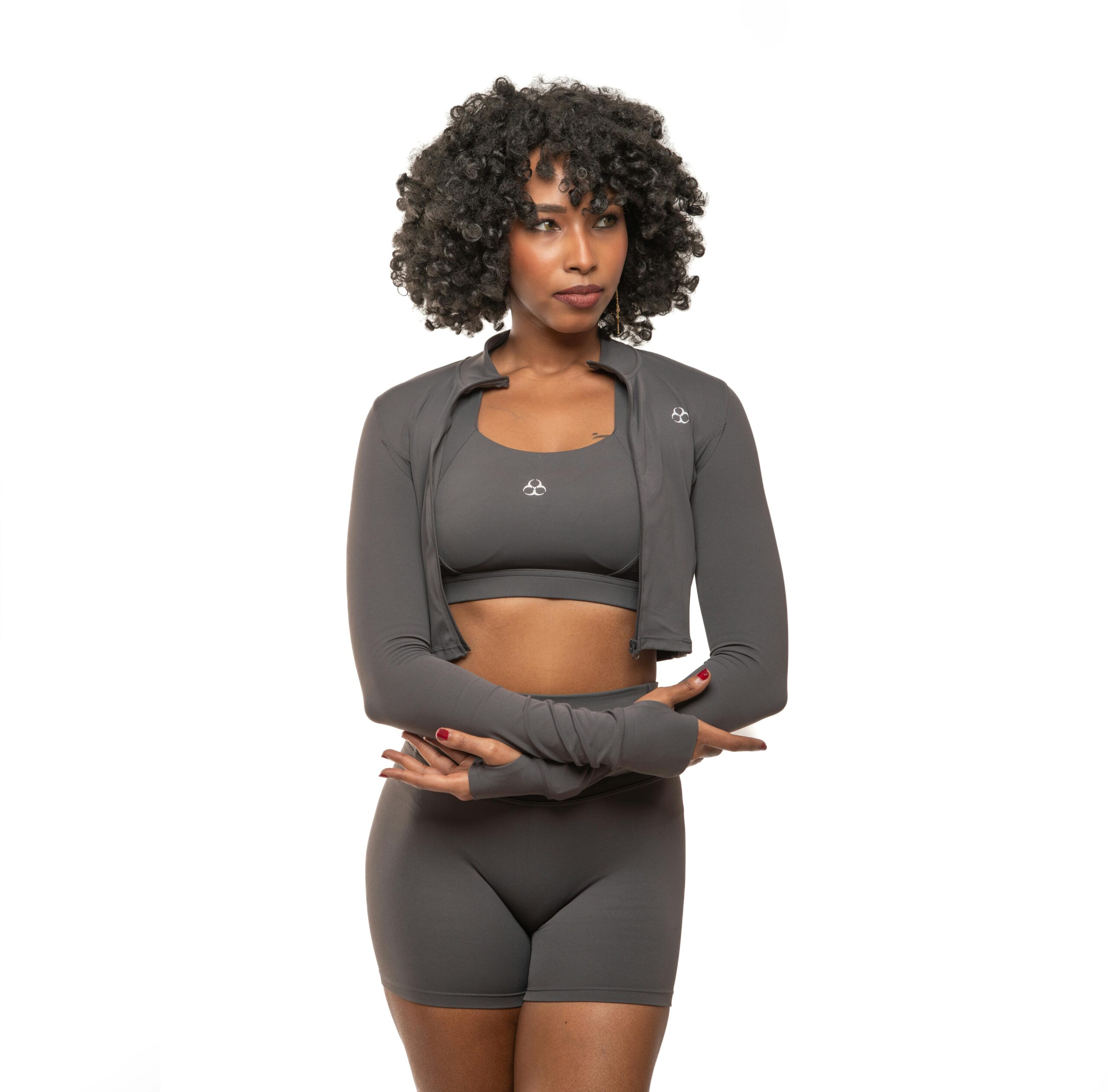
Clothing should be suitable for movement and exercise. Extremely revealing outfits that require constant adjustment distract from workouts, while overly baggy clothes can get caught in equipment creating safety hazards. Choose moisture-wicking fabrics that keep you comfortable and maintain reasonable coverage during various exercises and positions.
Some gyms have specific policies about covering torsos or wearing shirts at all times. Even if your gym allows shirtless workouts, consider that your sweat will directly contact equipment surfaces, requiring extra diligent cleaning afterward.
🤝 Building a Positive Gym Community
Beyond avoiding negative behaviors, actively contributing to a positive gym atmosphere makes everyone’s experience more enjoyable. Simple gestures like offering a smile, holding the door, or asking someone if they’re finished with equipment rather than hovering impatiently demonstrate consideration.
If you see someone struggling with equipment setup or looking confused about a machine, a friendly “Do you need any help?” can make someone’s day and help them feel welcomed rather than intimidated. Be the person who creates an inclusive environment rather than an exclusive one.
Encourage others when appropriate—a quick “nice work” or “great set” to someone finishing a challenging lift costs you nothing but can provide meaningful motivation. Building these small connections transforms the gym from a cold, competitive space into a supportive community.
🏃 Cardio Equipment Courtesy
Cardio machines require specific etiquette considerations. Don’t leave your sweaty handprint all over the display screen—bring a small towel to wipe screens and handles throughout your session. If machines are limited and people are waiting, stick to posted time limits or unwritten 30-minute maximums during busy periods.
Keep your movements controlled on equipment to minimize disruptive noise and vibration. Pounding heavily on treadmills or allowing elliptical machines to clang with each stride creates unnecessary noise and equipment wear.
Position water bottles, phones, and towels securely so they don’t fall and create disruptions. If you need to leave your machine briefly, place a towel over the display to signal it’s occupied, but keep these breaks short—five minutes maximum.
🎧 Music and Headphone Awareness
Headphones are standard gym equipment for most people, providing motivation and helping block distractions. However, even with headphones, be aware of your volume. If people nearby can clearly hear your music, it’s too loud—both for their comfort and your hearing health.
When not wearing headphones, never play music from your phone speaker. This forces everyone nearby to listen to your music choices, which rarely aligns with their preferences. If your gym provides music, accept that you won’t love every song—that’s what personal headphones solve.
Remain aware of your surroundings even with headphones. You should be able to hear if someone asks to work in, if equipment malfunctions, or if someone needs your attention for safety reasons. Keep volume at levels that maintain situational awareness.
🧘 Class Etiquette Fundamentals
Group fitness classes have additional etiquette considerations. Arrive on time—entering late disrupts the flow and distracts participants. If you must arrive after start time, enter quietly and set up in the back without walking through the class.
Place your mat or equipment in designated spots rather than crowding others’ personal space. Follow the instructor’s directions even if you prefer different variations. Save questions for before or after class unless the instructor specifically invites them during the session.
Don’t leave early unless absolutely necessary, and if you must, inform the instructor beforehand and position yourself near the exit for minimal disruption. Always clean and return any equipment you’ve used, and wipe down mats or yoga props with provided sanitizer.

💡 Creating Your Best Gym Experience
Mastering gym etiquette isn’t about memorizing a long list of rules—it’s about applying basic consideration and awareness to a shared fitness environment. When everyone exercises these principles, gyms become more welcoming, efficient, and enjoyable spaces for all fitness levels and goals.
Remember that everyone started somewhere, and the person struggling with form today might become tomorrow’s fitness enthusiast. Your behavior contributes to either an intimidating environment that drives people away or a supportive community that helps everyone progress toward their goals.
The golden rule applies perfectly to gym etiquette: treat others and shared spaces the way you’d want to be treated. If you’re unsure whether something is appropriate, ask yourself if you’d be bothered if someone else did the same thing. This simple test resolves most etiquette questions immediately.
By avoiding these common mistakes and actively contributing to a positive gym culture, you’ll not only improve your own workouts but also help create an environment where everyone can pursue their fitness goals comfortably and effectively. The respect and consideration you show others often comes back to you, creating a ripple effect that elevates the entire gym community. Make every workout count, be mindful of those around you, and enjoy the journey toward becoming your strongest, healthiest self! 💪