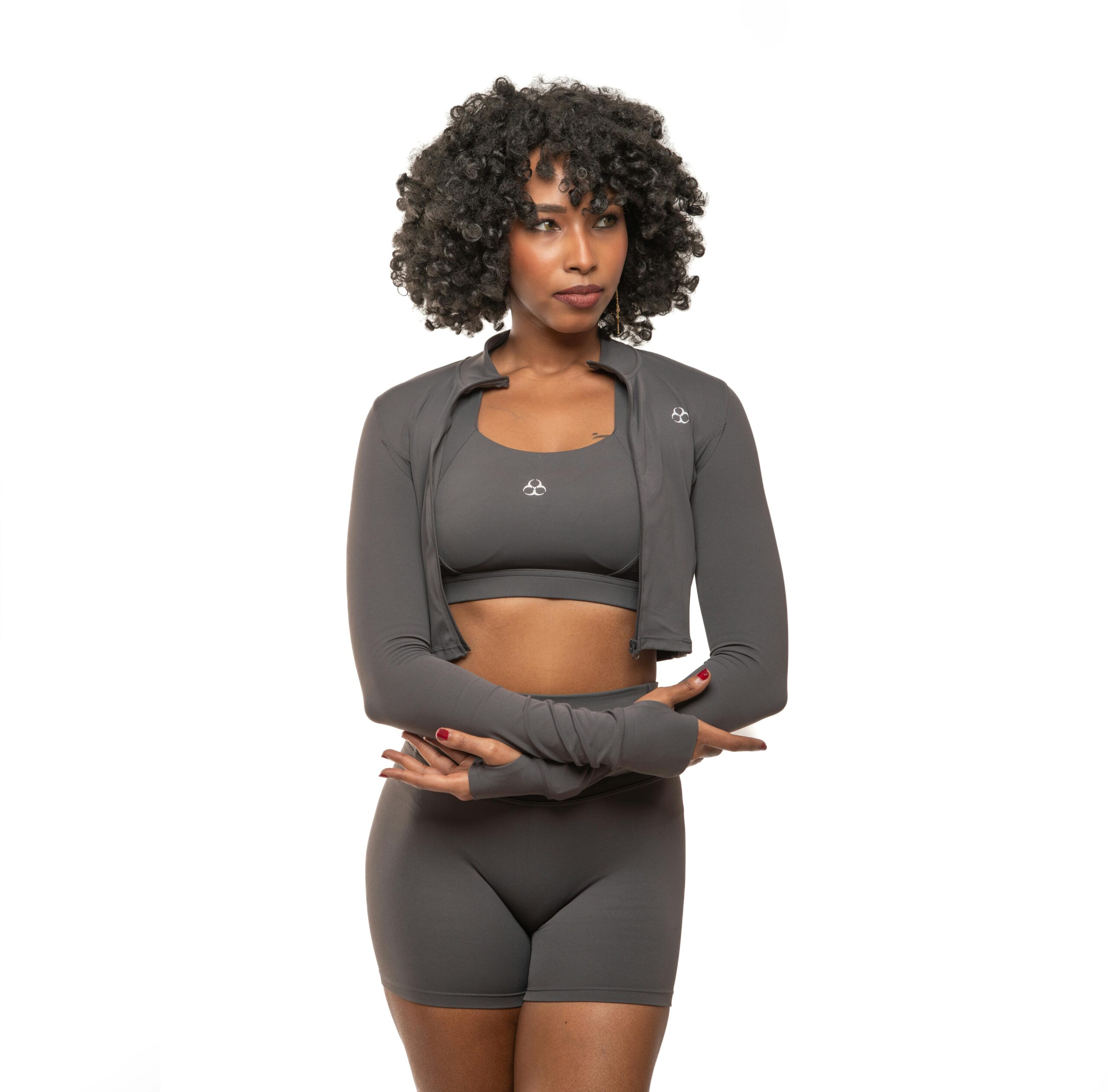
Stepping back into the gym after a break can feel intimidating. Whether you’ve been away for weeks, months, or even years, rebuilding your fitness confidence is just as important as rebuilding your strength.

The mental barriers often feel heavier than the weights themselves. Self-doubt, comparison to others, and fear of judgment can sabotage your comeback before you even lace up your sneakers. But here’s the truth: every person in that gym started somewhere, and your journey back is worth celebrating from day one.
💪 Understanding the Psychology Behind Gym Confidence
Your gym mojo isn’t just about physical capability—it’s deeply rooted in your mindset. When returning to fitness after a hiatus, your brain might replay old narratives about past failures or highlight the gap between where you are and where you used to be.
Confidence in the gym develops through consistent small wins and positive experiences. Each workout completed, each exercise performed with proper form, and each moment you show up for yourself builds psychological momentum. This creates a positive feedback loop where confidence fuels action, and action builds more confidence.
Research shows that self-efficacy—your belief in your ability to succeed—directly impacts exercise adherence and performance. When you trust yourself to handle the challenges ahead, you’re more likely to push through discomfort and stick with your routine long-term.
🎯 Setting Realistic Expectations for Your Comeback
One of the fastest ways to derail your fitness comeback is setting unrealistic expectations. Your body needs time to readapt to physical demands, and rushing the process often leads to injury or burnout.
Start by acknowledging where you are right now, not where you were before your break. Your previous personal records are achievements to be proud of, but they shouldn’t be your immediate benchmarks. Think of your comeback as a fresh chapter rather than picking up exactly where you left off.
Creating Your Baseline Assessment
Before diving into intense routines, establish your current fitness baseline. This doesn’t mean testing your one-rep max or running until exhaustion. Instead, assess your current capabilities through manageable activities:
- How many bodyweight squats can you perform with good form?
- What’s a comfortable walking or jogging pace you can maintain for 10 minutes?
- How does your mobility feel in basic movements like reaching overhead or touching your toes?
- What’s your current energy level throughout the day?
This baseline gives you a realistic starting point and provides measurable markers for tracking progress. Celebrate improvements from these markers rather than comparing yourself to your past peak performance or other gym-goers.
🏋️ Building Your Confidence-First Workout Structure
Traditional workout programs focus heavily on physical progression, but confidence-building routines prioritize psychological wins alongside physical development. This approach ensures you’re strengthening both body and mind simultaneously.
The Three-Phase Comeback Framework
Structure your fitness comeback in three distinct phases, each lasting approximately 2-4 weeks depending on your starting point and how your body responds.
Phase 1: Foundation and Familiarity focuses on reacquainting your body with movement patterns and establishing consistency. Your primary goal isn’t intensity—it’s showing up reliably and rebuilding the habit of exercise.
During this phase, keep workouts shorter (20-30 minutes) and focus on mastering basic movement patterns: squats, hinges, pushes, pulls, and core stability. Use lighter weights or bodyweight exercises, prioritizing perfect form over volume or intensity.
Phase 2: Progressive Challenge introduces gradual increases in difficulty once you’ve established consistency. Your body should feel comfortable with basic movements, and your confidence should have grown from successfully completing Phase 1.
Here you can start adding weight, increasing repetitions, or extending workout duration to 30-45 minutes. Introduce one new challenge per week—perhaps an additional set, a slightly heavier weight, or a more complex exercise variation.
Phase 3: Momentum and Mastery represents your transition from comeback to established routine. You’ve rebuilt the habit, your body has readapted, and your confidence is solidly grounded in consistent success.
This phase allows for more personalization based on your specific goals, whether that’s building muscle, improving endurance, enhancing mobility, or a combination of objectives.
🎨 Designing Workouts That Build Success Patterns
The structure of individual workouts matters tremendously for confidence building. Each session should be designed to maximize your sense of accomplishment while providing appropriate physical challenge.
The Confidence Sandwich Technique
Start every workout with an exercise you know you can complete successfully. This creates immediate positive momentum and activates your sense of capability. Middle sections can include more challenging work, and always finish with another success-guaranteed movement.
For example, begin with a comfortable warm-up activity you enjoy—maybe 5 minutes on a bike or some dynamic stretching. End with a movement that feels good and leaves you feeling accomplished, perhaps a plank hold you can definitely complete or stretches that feel rewarding.
Sample Confidence-Building Routine for Beginners
This full-body routine emphasizes success patterns while building genuine strength and endurance:
- Warm-up: 5 minutes of walking or cycling at comfortable pace
- Bodyweight squats: 2 sets of 8-10 reps (focus on depth you can control)
- Wall or elevated push-ups: 2 sets of 6-8 reps (choose height that allows good form)
- Resistance band rows: 2 sets of 10 reps (or assisted pull-up machine)
- Glute bridges: 2 sets of 12 reps
- Plank hold: 2 sets of 15-20 seconds
- Cool-down: 5 minutes of stretching focusing on areas that feel tight
This workout takes approximately 25-30 minutes and touches all major movement patterns without overwhelming your system or confidence.
📱 Leveraging Technology for Accountability and Progress
Fitness apps can be powerful allies in your comeback journey, providing structure, tracking progress, and offering guidance when you’re unsure about proper form or programming.
Workout tracking apps help you visualize progress over time, which is incredibly motivating when you’re rebuilding confidence. Seeing that you’ve completed 12 consecutive workouts or increased your squat weight by 10 pounds provides concrete evidence of your improvement.
Form-checking apps using your phone’s camera can provide real-time feedback on exercise technique, reducing anxiety about whether you’re doing movements correctly. This external validation helps build confidence in your abilities.
🧠 Mental Strategies to Overcome Gym Anxiety
Physical routines are only half the equation. Your mental approach determines whether you’ll consistently show up and push through challenging moments.
Reframing Negative Self-Talk
Notice when your inner dialogue turns critical. Thoughts like “everyone is watching me” or “I’m so out of shape” are common but counterproductive. When you catch these thoughts, actively reframe them:
- Replace “Everyone’s judging me” with “Everyone here is focused on their own workout”
- Replace “I used to be so much stronger” with “I’m rebuilding my strength starting today”
- Replace “I don’t belong here” with “I’m exactly where I need to be for my journey”
This isn’t about toxic positivity—it’s about accuracy. Most people at the gym genuinely aren’t paying attention to you, and your comeback is just as valid as anyone else’s fitness journey.
The Five-Minute Rule
On days when motivation is low and doubt is high, commit to just five minutes. Tell yourself you’ll do five minutes of exercise, and then you’re free to leave if you want.
This mental trick accomplishes two things: it gets you started (the hardest part), and once you’re moving, you’ll almost always continue beyond those five minutes. Even if you don’t, you’ve still reinforced the habit of showing up, which is fundamental to long-term success.
👥 Finding Your Fitness Community
Confidence flourishes in supportive environments. While you don’t need to become best friends with everyone at your gym, having some social connection to your fitness environment significantly impacts adherence and enjoyment.
Consider group fitness classes designed for various skill levels. These structured environments remove the guesswork about what exercises to do and provide built-in community. Instructors can offer modifications, and fellow participants often become sources of encouragement.
If in-person groups feel intimidating, online fitness communities offer connection without physical proximity. Reddit forums, Facebook groups, and fitness app communities provide spaces to ask questions, share victories, and find support from people at similar stages in their fitness journeys.
📊 Tracking Progress Beyond the Scale
The bathroom scale is a notoriously poor measure of fitness progress, especially during a comeback. Your confidence needs more reliable indicators of improvement.
Comprehensive Progress Markers
| Progress Category | What to Track | Why It Matters |
|---|---|---|
| Performance | Weights lifted, reps completed, workout duration | Shows objective strength and endurance gains |
| Consistency | Number of workouts per week, streak days | Habit formation is foundational to long-term success |
| Energy Levels | Daily energy ratings, sleep quality | Indicates recovery and overall wellness improvements |
| How Clothes Fit | Looseness/tightness in specific garments | Reflects body composition changes better than scale weight |
| Mental Well-being | Mood ratings, stress levels, confidence scores | Exercise impacts mental health profoundly |
Choose 3-5 metrics that resonate with you and track them weekly. This multidimensional approach ensures you’re noticing improvements even when one metric might temporarily plateau.
⚡ Preventing the Comeback Crash
Enthusiasm during a fitness comeback can actually become problematic. Many people start strong, do too much too soon, and crash within weeks due to exhaustion, injury, or burnout.
The 10% Rule for Sustainable Progression
Whether increasing weight, repetitions, or workout duration, limit increases to approximately 10% per week. This guideline, commonly used in running programs, applies broadly to fitness progression.
If you’re squatting with 20 pounds this week, next week you might use 22 pounds—not 30. If you’re working out three days this week, you might add a fourth day next week—not suddenly jump to six days.
This measured approach feels slow initially but prevents the overtraining and injury that derail comebacks. Slow, consistent progress always beats rapid initial gains followed by setbacks.
Prioritizing Recovery as Part of Your Routine
Rest days aren’t laziness—they’re when your body actually builds strength and adapts to training stress. Schedule at least 1-2 complete rest days weekly, and consider active recovery days where you engage in gentle movement like walking, yoga, or swimming.
Sleep quality dramatically impacts both physical recovery and mental resilience. Aim for 7-9 hours nightly, and notice how your sleep patterns affect your gym performance and motivation.
🌟 Celebrating Milestones Along Your Journey
Confidence grows through recognition of achievement. Create milestone markers throughout your comeback and genuinely celebrate when you reach them.
These milestones don’t need to be major accomplishments by anyone else’s standards. Completing your first full week of planned workouts deserves recognition. So does the first time you increase your weights, finish a workout that previously felt impossible, or simply show up on a day when you really didn’t want to.
Consider rewarding milestones with non-food treats: new workout gear, a massage, a fitness-related gadget you’ve been wanting, or simply taking a moment to acknowledge your progress in a journal.
🚀 Transforming Your Comeback Into Lasting Commitment
The ultimate goal isn’t just getting back to the gym—it’s establishing sustainable fitness as a permanent life component. This requires shifting from external motivation to internal identity.
Eventually, you want to exercise not because you’re chasing a specific goal but because it’s simply who you are. “I’m someone who takes care of their body” becomes part of your self-concept, making consistency far easier than when you’re constantly battling willpower.
This identity shift happens gradually through repeated action. Each workout is a vote for this new identity. You’re not trying to become this person—you’re proving to yourself that you already are through your consistent choices.

💖 Embracing the Imperfect Journey
Your fitness comeback won’t be linear. Some weeks will feel amazing, others will be challenging. You might miss workouts, have setbacks, or face unexpected obstacles. This doesn’t mean failure—it means you’re human.
Confidence isn’t built through perfection; it’s built through persistent imperfection. It’s showing up after a missed week. It’s modifying an exercise when something doesn’t feel right. It’s asking for help when you need it. It’s acknowledging difficult days while maintaining commitment to the bigger picture.
The gym isn’t a place you conquer once and declare victory. It’s a space for ongoing growth, adaptation, and self-discovery. Your comeback is just the beginning of a relationship with fitness that can bring strength, health, and yes—tremendous confidence—for years to come.
Start where you are. Use what you have. Do what you can. Your gym mojo isn’t something you’ve lost forever—it’s simply waiting for you to reclaim it, one workout at a time. 💪