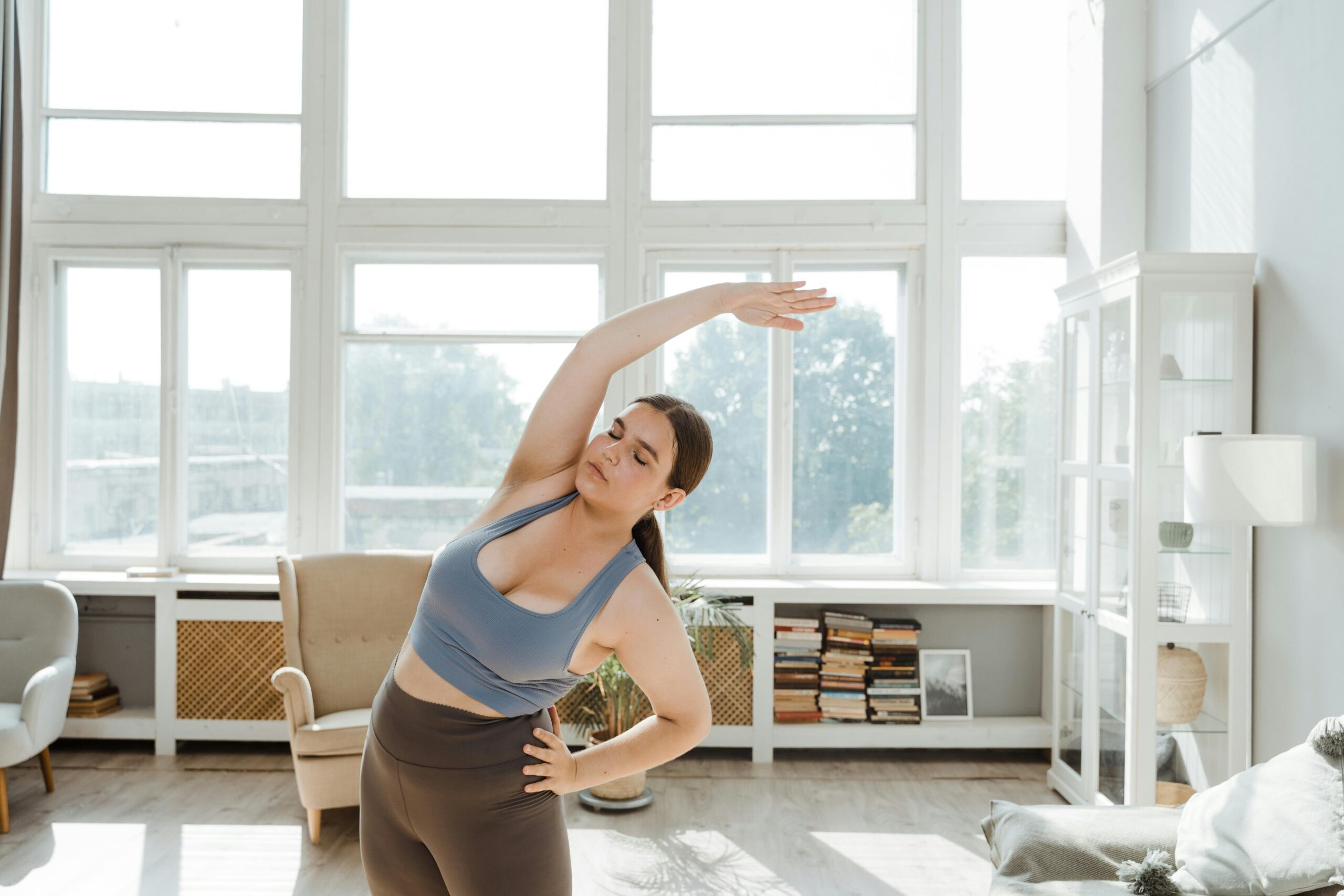
Starting a fitness journey can feel overwhelming, especially when you compare yourself to others or set unrealistic expectations. The secret to building lasting confidence isn’t found in dramatic transformations but in the power of small, consistent victories that compound over time.

Whether you’re returning to exercise after a long break or starting from scratch, understanding how to leverage incremental progress can transform your relationship with fitness. This strategic approach focuses on building sustainable habits rather than chasing temporary results, creating a foundation for lifelong health and confidence.
🎯 Why Small Wins Matter More Than You Think
The psychology behind small victories is powerful and scientifically proven. When you accomplish even minor fitness goals, your brain releases dopamine, the neurotransmitter associated with pleasure and motivation. This creates a positive feedback loop that makes you want to continue the behavior that led to the reward.
Large, ambitious goals often backfire because they’re too distant to provide immediate satisfaction. When you set a goal to lose 50 pounds or run a marathon without prior training, the timeline feels impossibly long. Every day without visible progress chips away at your motivation until eventually, you abandon the goal altogether.
Small wins work differently. They provide frequent positive reinforcement, building momentum and creating evidence that you’re capable of change. Each small victory becomes proof that you can succeed, gradually reshaping your self-identity from someone who “can’t stick with fitness” to someone who “shows up consistently.”
The Compound Effect of Consistent Small Actions
Think of small wins like compound interest for your fitness confidence. A 1% improvement each day might seem insignificant, but over a year, it represents a 37-fold increase in your capabilities. This isn’t just mathematical theory—it’s how real transformation happens in the physical world.
The beauty of this approach is that it bypasses the intimidation factor that stops most people before they start. Instead of needing to become a completely different person overnight, you simply need to be slightly better than yesterday. This manageable expectation reduces resistance and makes starting feel achievable.
🏋️ Designing Your Small Wins Strategy: The Foundation
Creating an effective small wins strategy requires intentional planning. You can’t just hope for the best—you need a structured approach that sets you up for consistent success. The framework below provides a proven method for designing victories that build upon each other.
Start Ridiculously Small
Your first small win should be almost embarrassingly easy. If you want to build a workout habit, start with five minutes of exercise—or even just putting on your workout clothes. The goal isn’t to get a great workout; it’s to establish the behavior pattern with zero friction.
Many fitness enthusiasts scoff at this advice, believing they need to “earn” their results through suffering. This mindset leads to burnout within weeks. Starting small isn’t about laziness; it’s about building neural pathways that make the behavior automatic before increasing intensity.
Consider these ridiculously small starting points:
- Do five push-ups each morning before your coffee
- Walk for ten minutes during your lunch break
- Complete one yoga pose when you wake up
- Drink one glass of water before each meal
- Do wall sits during one commercial break
Make Your Wins Measurable and Specific
Vague goals like “get stronger” or “be more active” don’t provide the clear feedback your brain needs to recognize success. Every small win should have objective criteria that tell you definitively whether you accomplished it.
Instead of “exercise more,” commit to “complete three 15-minute walks this week.” Instead of “eat healthier,” specify “include one vegetable with dinner five nights this week.” This specificity eliminates ambiguity and provides clear evidence of your progress.
📊 Tracking Progress Without Becoming Obsessive
Tracking your small wins serves two critical purposes: it provides data that shows your progress, and it reinforces the positive behavior through acknowledgment. However, tracking can become counterproductive if it turns into an obsession that adds stress rather than motivation.
Simple Tracking Methods That Actually Work
The best tracking system is one you’ll actually use consistently. Complex apps and detailed spreadsheets often create more work than they’re worth. Consider these straightforward approaches:
The calendar method involves marking an X on your calendar each day you complete your small win. This creates a visual chain that you’ll feel motivated to maintain. Jerry Seinfeld famously used this technique for his writing habit, and it works equally well for fitness.
A simple notebook where you record your daily accomplishment takes less than 30 seconds but provides a tangible record of your consistency. Unlike digital tracking, physical writing creates a stronger memory connection and allows you to flip back through pages to see how far you’ve come.
Celebrate Without Sabotaging Your Progress
Recognition of your achievements matters, but celebrating with behaviors that contradict your goals creates cognitive dissonance. Rewarding a week of healthy eating with a binge session sends mixed messages to your brain about what you’re actually trying to accomplish.
Instead, choose celebrations that align with your fitness identity. Buy new workout gear after a month of consistency, book a massage after hitting a milestone, or share your progress with a supportive friend. These rewards reinforce rather than undermine your developing habits.
💪 Progressively Building on Your Foundation
Once you’ve established consistency with your initial small win, you face a critical decision point. Many people either plateau at this level or increase difficulty too quickly and burn out. The key is strategic progression that maintains your winning streak while gradually expanding your capabilities.
The Two-Week Rule for Advancement
Before increasing the difficulty or complexity of your fitness habit, maintain your current level for at least two weeks. This allows the behavior to become automatic, reducing the mental energy required to complete it. Only when something feels easy and habitual should you consider adding more challenge.
When you do progress, increase by no more than 10-20% at a time. If you’re walking for 10 minutes daily, your next level might be 12 minutes. If you’re doing five push-ups, try six or seven. This gradual increase feels manageable and maintains your confidence.
Adding Variety While Maintaining Consistency
As your fitness confidence grows, you might want to diversify your activities. This can be beneficial for both physical development and mental engagement, but it requires careful implementation to avoid overwhelming yourself.
The best approach is to maintain your core habit while occasionally adding variety. If your fundamental small win is a daily 10-minute walk, keep that non-negotiable. Then add a weekly swimming session or a yoga class as bonus activities. This protects your consistency streak while expanding your fitness repertoire.
🧠 Overcoming Mental Barriers and Setbacks
Even with the best small wins strategy, you’ll face days when motivation disappears or circumstances interrupt your routine. How you handle these challenges determines whether they’re temporary setbacks or the beginning of the end for your fitness journey.
The Never Miss Twice Principle
Life happens, and occasionally missing a workout is inevitable and healthy. The danger lies in letting one missed session become two, then three, then complete abandonment. The “never miss twice” principle means that if you miss your small win one day, you absolutely must complete it the next day, no matter what.
This rule acknowledges human imperfection while preventing the slide into old patterns. One missed day is a minor interruption; two consecutive missed days begins to erode the neural pathway you’ve been building. Protect your habit by treating the second day as non-negotiable.
Scaling Down Rather Than Giving Up
On days when completing your full small win feels impossible, do a scaled version instead. If you normally do a 20-minute workout but feel exhausted, do five minutes. If you usually walk three miles but you’re short on time, walk one mile. Some completion is infinitely better than none when it comes to maintaining your psychological momentum.
This flexibility prevents the all-or-nothing thinking that destroys fitness habits. You’re not compromising your standards; you’re demonstrating adaptability and commitment to showing up even in imperfect conditions. These challenging days often build more confidence than the easy ones because they prove you can maintain consistency despite obstacles.
🤝 Building Social Support for Sustained Success
While your fitness journey is personal, surrounding yourself with the right support system dramatically increases your chances of long-term success. Humans are social creatures, and we naturally adopt the behaviors of those around us. Strategic social connections can amplify your small wins and provide encouragement during difficult periods.
Finding Your Fitness Accountability Partner
An accountability partner shares similar goals and commits to regular check-ins about progress. This person doesn’t need to work out with you or follow the exact same program—they simply need to care about your success and be willing to ask how you’re doing.
The most effective accountability relationships involve mutual support rather than one-sided encouragement. When you’re both working toward goals and sharing wins and challenges, you create reciprocal motivation that benefits both people. Schedule weekly check-ins, either in person or through messaging, where you share your small wins and discuss any obstacles.
Curating Your Social Environment
Your social media feeds, friend groups, and physical environment all influence your fitness confidence. If your Instagram feed constantly shows unattainable body standards or extreme fitness regimens, it may undermine rather than support your journey. Curate your environment intentionally to reinforce your small wins approach.
Follow accounts that celebrate consistency over perfection, process over outcomes, and realistic fitness over extreme transformations. Join communities focused on sustainable health rather than quick fixes. Surround yourself with people who understand that fitness is a lifelong practice, not a temporary project.
📈 Recognizing and Celebrating Non-Scale Victories
The fitness industry’s obsession with weight loss and aesthetic changes causes many people to overlook the more meaningful improvements happening in their bodies and minds. Non-scale victories often provide better indicators of health progress and build deeper confidence than numbers ever could.
Physical Non-Scale Victories to Notice
Pay attention to how your body feels and functions, not just how it looks. Can you climb stairs without getting winded? Do you wake up with more energy? Has your chronic back pain decreased? These functional improvements directly enhance your quality of life in ways that appearance changes cannot.
Other physical victories include improved sleep quality, better digestion, increased flexibility, reduced joint pain, and enhanced stamina for daily activities. These changes accumulate gradually, so comparing your current state to three months ago rather than last week provides clearer perspective.
Mental and Emotional Fitness Gains
Perhaps the most valuable benefits of consistent fitness habits are psychological. As you accumulate small wins, you develop proof that you’re someone who keeps commitments to yourself. This self-trust extends beyond fitness into other life areas, creating a positive spiral of confidence and capability.
Notice improvements in stress management, mood stability, mental clarity, and self-esteem. Many people report that regular exercise becomes their most effective tool for managing anxiety and depression. These mental health benefits often manifest before physical changes become visible, providing early motivation to continue.
🔄 Creating a Sustainable Long-Term Fitness Lifestyle
The ultimate goal of a small wins strategy isn’t just to achieve a particular fitness milestone—it’s to transform your identity and lifestyle so that healthy movement becomes as natural as brushing your teeth. This level of integration doesn’t happen overnight, but it’s the result of months and years of small, consistent actions.
Transitioning from Motivation to Identity
In the beginning, you rely on motivation and willpower to complete your small wins. This is normal and expected. As weeks turn into months, something shifts: you begin to see yourself as a person who exercises, not someone trying to exercise. This identity shift is the holy grail of behavior change.
When fitness becomes part of your identity, you stop needing to convince yourself to work out. You simply do it because it’s who you are. This doesn’t mean you never face resistance, but the resistance comes from temporary circumstances rather than fundamental questions about whether you’re a “fitness person.”
Adapting Your Strategy Through Life Changes
A truly sustainable fitness approach flexes with your life circumstances rather than breaking. New jobs, relationships, relocations, health challenges, and family responsibilities will all require adjustments to your fitness routine. The small wins mindset allows you to scale up or down while maintaining consistency.
During periods of high stress or major life changes, reduce your fitness commitment to the absolute minimum that maintains the habit. This might mean going from hour-long workouts to 10-minute sessions. The specific activities matter less than the continued identity reinforcement of being someone who prioritizes movement.

🌟 Your Next Steps: Implementing Your Small Wins Strategy Today
Understanding the concept of small wins is valuable, but implementation creates results. Your fitness confidence will grow through action, not planning. The perfect moment to start doesn’t exist—you simply need to begin with something ridiculously small and build from there.
Choose one specific small win you’ll complete today. Write it down. Make it so easy that you can’t reasonably say no. Then do it. That single action is the first deposit in your fitness confidence account, and like compound interest, these deposits will grow into something remarkable over time.
Remember that your journey won’t look like anyone else’s, and that’s exactly as it should be. Comparison steals joy and undermines confidence. Your only competition is the person you were yesterday. Each small win, no matter how minor it seems, is evidence that you’re becoming the person you want to be. That evidence accumulates into unshakeable fitness confidence that weathers any storm and sustains you for life.