Modern life demands efficiency in every aspect, including fitness. When your calendar is bursting with commitments, machine-only workout routines offer a streamlined path to achieving your fitness goals without sacrificing precious time.

The beauty of machine-based training lies in its simplicity and effectiveness. Unlike free weights that require spotters, perfect form, and extensive knowledge, fitness machines guide your movements, reduce injury risk, and deliver consistent results. For busy professionals, parents, and anyone juggling multiple responsibilities, this approach transforms fitness from a time-consuming challenge into an achievable daily habit.
🎯 Why Machine-Only Workouts Are Perfect for Time-Starved Individuals
The traditional gym experience can be intimidating and time-intensive. Between learning proper form, adjusting equipment, and navigating crowded free-weight areas, a simple workout can balloon into a two-hour commitment. Machine-based routines eliminate these obstacles.
Fitness machines are engineered to isolate specific muscle groups while maintaining proper biomechanics throughout each movement. This design means you spend less time worrying about technique and more time actually working your muscles. The learning curve is dramatically reduced, allowing beginners and experienced exercisers alike to jump straight into effective training sessions.
Time efficiency extends beyond the workout itself. Machines require minimal setup and adjustment, typically just a pin to select weight and a seat height modification. This streamlined approach means you can complete a full-body workout in 30-45 minutes, including warm-up and cool-down periods.
💪 The Science Behind Effective Machine Training
Research consistently demonstrates that resistance training with machines produces comparable muscle growth and strength gains to free-weight training when volume and intensity are matched. A study published in the Journal of Strength and Conditioning Research found no significant difference in muscle activation between machine and free-weight exercises for major muscle groups.
Machines provide constant tension throughout the entire range of motion, which is particularly beneficial for muscle hypertrophy. The guided movement pattern ensures that target muscles remain engaged from start to finish, maximizing time under tension—a critical factor for muscle development.
For cardiovascular health, combining machine-based resistance training with circuit-style programming elevates heart rate and provides metabolic benefits similar to traditional cardio. This dual benefit makes machine workouts exceptionally efficient for those seeking comprehensive fitness improvements in minimal time.
🏋️ Essential Machines for a Complete Workout Routine
A well-rounded machine-only program should target all major muscle groups while maintaining balance between pushing and pulling movements. Here’s a breakdown of the most valuable machines for your time-efficient routine:
Upper Body Powerhouses
The chest press machine serves as your primary pushing exercise, effectively working the pectorals, anterior deltoids, and triceps. Its fixed path allows you to focus entirely on exertion rather than stabilization, making it ideal for maximizing effort in limited time.
For back development, the lat pulldown machine is indispensable. This exercise builds width across your upper back while strengthening the biceps and rear deltoids. The seated position and guided bar path mean you can safely push to muscular fatigue without concern for balance or form breakdown.
The shoulder press machine targets deltoids comprehensively while minimizing stress on the rotator cuff—a common injury site with free-weight overhead pressing. This safety feature is particularly valuable for busy individuals who cannot afford workout-related injuries.
Lower Body Essentials
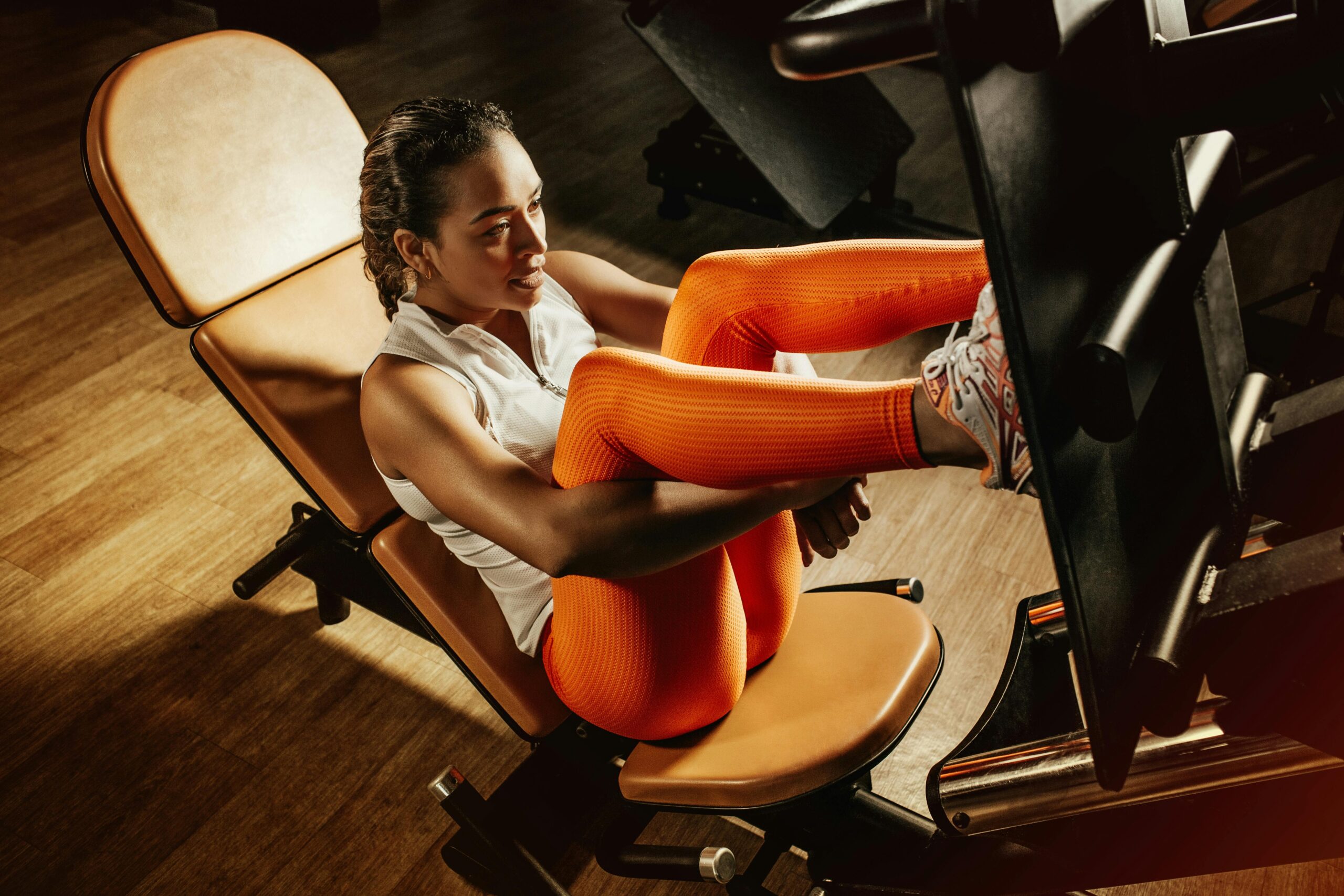
The leg press machine delivers exceptional lower body training efficiency. By working quadriceps, hamstrings, and glutes simultaneously, it provides tremendous bang for your buck. The supported seated position allows you to lift heavier loads safely, promoting greater strength and muscle development.
Leg extension and leg curl machines isolate the quadriceps and hamstrings respectively, ensuring balanced leg development. These isolation movements complement compound exercises like the leg press, addressing specific weaknesses and preventing muscle imbalances that can lead to injury.
The seated calf raise machine rounds out lower body training by targeting the often-neglected soleus muscle. Strong calves improve athletic performance and contribute to lower leg aesthetics.
Core Stability Machines
The abdominal crunch machine provides resistance for core training that bodyweight exercises cannot match. Progressive overload—gradually increasing resistance over time—is essential for continued improvement, and machines make this progression straightforward and measurable.
The back extension machine strengthens the erector spinae and lower back muscles, creating a strong foundation for all other exercises and reducing lower back pain risk—particularly important for desk workers.
⏱️ Time-Maximizing Workout Strategies
Efficiency isn’t just about equipment selection; it’s about intelligent programming. These strategies will help you extract maximum results from minimum time investment.
Circuit Training for Double Benefits
Organizing your machine exercises into circuits—performing multiple exercises back-to-back with minimal rest—elevates heart rate while building strength. This approach delivers cardiovascular conditioning alongside muscle development, effectively combining two workouts into one.
A sample circuit might include: chest press, lat pulldown, leg press, shoulder press, leg curl, and abdominal crunch machine. Complete one set of each exercise, rest 60-90 seconds, then repeat for 3-4 rounds. Total workout time: 30 minutes.
Supersets for Efficiency
Pairing opposing muscle groups—such as chest and back or quadriceps and hamstrings—allows one muscle to recover while working its counterpart. This supersetting technique dramatically reduces total workout duration while maintaining training quality.
Example superset: Perform a set on the chest press machine immediately followed by a set on the seated row machine, rest briefly, then repeat. This approach can cut your workout time nearly in half compared to traditional straight-set training.
Progressive Overload Made Simple
Machines excel at tracking progress. Most use weight stacks with numbered plates, making it easy to record and progressively increase resistance. Keep a simple log—digital or paper—noting which pin setting you used for each exercise. Aim to increase weight or repetitions every 1-2 weeks.
📅 Sample Weekly Machine-Only Schedules
Different schedules accommodate different lifestyles. Choose the template that aligns with your availability and energy levels.
Three-Day Full-Body Split
Perfect for those who can commit to three non-consecutive days weekly (Monday, Wednesday, Friday works well), this approach trains all major muscle groups each session.
- Chest press machine: 3 sets of 10-12 reps
- Lat pulldown machine: 3 sets of 10-12 reps
- Leg press machine: 3 sets of 12-15 reps
- Shoulder press machine: 3 sets of 10-12 reps
- Leg curl machine: 3 sets of 12-15 reps
- Abdominal crunch machine: 3 sets of 15-20 reps
Total workout time: 35-40 minutes including warm-up and transitions.
Four-Day Upper/Lower Split
This schedule divides training between upper and lower body sessions, allowing for greater volume per muscle group while maintaining recovery.
Upper Body Days (Monday, Thursday):
- Chest press machine: 4 sets of 8-10 reps
- Seated row machine: 4 sets of 8-10 reps
- Shoulder press machine: 3 sets of 10-12 reps
- Lat pulldown machine: 3 sets of 10-12 reps
- Tricep extension machine: 3 sets of 12-15 reps
- Bicep curl machine: 3 sets of 12-15 reps
Lower Body Days (Tuesday, Friday):
- Leg press machine: 4 sets of 10-12 reps
- Leg extension machine: 3 sets of 12-15 reps
- Leg curl machine: 3 sets of 12-15 reps
- Calf raise machine: 4 sets of 15-20 reps
- Abdominal crunch machine: 4 sets of 15-20 reps
- Back extension machine: 3 sets of 15-20 reps
Total workout time per session: 30-35 minutes.
🚀 Accelerating Results Through Smart Nutrition
Even the most efficient workout routine cannot overcome poor nutrition. Time-pressed individuals need equally efficient eating strategies to support their training efforts.
Protein intake is paramount for muscle recovery and growth. Aim for 0.7-1 gram of protein per pound of body weight daily. For busy schedules, protein shakes, Greek yogurt, and pre-prepared chicken or fish provide quick, quality protein sources.
Carbohydrate timing matters. Consuming complex carbohydrates—oatmeal, sweet potatoes, brown rice—within 2 hours before workouts provides sustained energy. Post-workout carbohydrates replenish muscle glycogen, supporting recovery and subsequent training sessions.
Meal preparation is the ultimate time-saver. Dedicating 2-3 hours on weekends to batch-cook proteins, grains, and vegetables creates grab-and-go meals throughout the week, eliminating the “too busy to eat well” excuse.
📱 Technology Tools for Tracking and Motivation
Smartphone applications transform workout logging from tedious chore to engaging activity. These digital tools help maintain consistency—the true secret to fitness success.
Workout tracking apps allow you to log exercises, sets, repetitions, and weights in real-time. The ability to review past workouts ensures progressive overload and prevents plateaus. Many apps also provide built-in machine-based workout templates, eliminating program design confusion.
Habit-tracking applications help build workout consistency by visualizing streaks and celebrating milestones. The psychological power of “not breaking the chain” should not be underestimated—it keeps you returning to the gym even when motivation wanes.
🎯 Overcoming Common Obstacles and Excuses
Even with streamlined machine-only routines, obstacles arise. Anticipating and planning for these challenges prevents temporary setbacks from becoming permanent derailments.
The Crowded Gym Problem
Peak gym hours can make even quick workouts frustrating when machines are occupied. Solution: Identify your gym’s quiet periods (typically early morning, mid-afternoon, or late evening) and schedule workouts accordingly. Alternatively, have backup exercise options—if the chest press is occupied, substitute with another pushing machine temporarily.
Travel and Schedule Disruptions
Business trips and unexpected schedule changes challenge consistency. Most hotel gyms feature basic machines. A simplified 20-minute routine using whatever equipment is available maintains momentum better than skipping workouts entirely. Remember: imperfect action beats perfect inaction.
Plateaus and Boredom
Bodies adapt to repeated stimuli, and minds crave variety. Every 6-8 weeks, modify your routine by changing exercise order, adjusting rep ranges (switching between 6-8 reps for strength and 15-20 for endurance), or altering rest periods. These small changes provide sufficient variation without requiring complex program redesigns.
💡 Maximizing Recovery in Minimal Time
Recovery determines whether your training produces results or injuries. Time-efficient recovery strategies are essential for busy individuals.
Sleep is non-negotiable. Seven to nine hours nightly supports muscle recovery, hormone regulation, and cognitive function. Poor sleep undermines training adaptations—you cannot out-exercise sleep deprivation.
Active recovery on non-training days—gentle walking, stretching, or yoga—promotes blood flow and reduces muscle soreness without requiring gym time. Even 15-minute walking breaks during workday lunch hours contribute meaningfully to recovery and general health.
Foam rolling targets muscle tension in minutes. Focusing on major muscle groups for just 30-60 seconds each before bed improves tissue quality and reduces next-day soreness, ensuring you’re ready for your next workout.
🏆 Measuring Progress Beyond the Scale
Weight alone inadequately reflects fitness improvements. Busy individuals need quick, meaningful metrics to confirm their efforts are working.
Strength progression is the most reliable indicator. If you’re consistently increasing the weight pin position or completing more repetitions, you’re improving—regardless of scale fluctuations.
Circumference measurements taken monthly—chest, waist, hips, arms, thighs—reveal body composition changes that weight masks. Muscle is denser than fat; you can simultaneously lose inches while maintaining or even gaining weight.
Energy levels and daily function improvements often manifest before visible physical changes. Notice whether climbing stairs becomes easier, whether afternoon energy crashes diminish, whether mood stabilizes. These quality-of-life enhancements represent real, valuable results.
🌟 Building Long-Term Sustainable Habits
Short-term motivation fades. Long-term success requires transforming workouts from temporary inconveniences into permanent lifestyle components.
Schedule workouts like unmissable appointments. Block gym time on your calendar and treat it as seriously as work meetings or family obligations. This simple mental reframing dramatically improves consistency.
Reduce friction for gym attendance. Keep a packed gym bag in your car or by the door. Lay out workout clothes the night before morning sessions. These tiny preparations eliminate decision points that derail good intentions.
Find an accountability partner or join online communities focused on fitness. Social commitment creates external motivation that carries you through periods when internal motivation weakens.
✨ The Compound Benefits of Consistent Machine Training
Regular exercise produces benefits extending far beyond muscle and aesthetics. These secondary advantages often become primary motivators for maintaining long-term consistency.
Stress reduction through exercise is well-documented. Physical exertion metabolizes stress hormones, providing natural anxiety relief without medication. For jam-packed schedules filled with pressure, this mental health benefit alone justifies workout time.
Cognitive function improvements include enhanced focus, better memory, and increased creativity. Exercise-induced brain-derived neurotrophic factor (BDNF) supports neuron growth and function. Counterintuitively, “losing” 30 minutes to exercise often results in greater productivity throughout the remaining day.
Disease prevention cannot be overstated. Regular resistance training reduces risks of cardiovascular disease, type 2 diabetes, osteoporosis, and numerous cancers. Time invested in fitness today yields health dividends for decades.
🔑 Your Action Plan for Starting Tomorrow
Knowledge without action produces no results. Transform this information into reality with a concrete first-week plan.
Day 1: Visit your gym and locate all machines discussed in this article. Adjust each one to fit your body and perform one light set to familiarize yourself with the movement pattern. Total time commitment: 30 minutes.
Day 2: Complete your first full workout using the three-day full-body template provided earlier. Focus on form over weight—select resistance that allows 12 clean repetitions with slight difficulty on the final rep.
Day 3: Active recovery—take a 20-minute walk and perform gentle stretching.
Day 4: Second full-body workout. Aim to match or slightly exceed Day 2’s performance.
Day 5-6: Active recovery or complete rest, depending on how your body feels.
Day 7: Third full-body workout of the week. Log all exercises, weights, and repetitions. This establishes your baseline for future progress tracking.
By week’s end, you’ll have established momentum—the hardest part of any fitness journey. The efficiency of machine-only training means maintaining this momentum requires minimal time investment, making consistency achievable even when life gets chaotic. Your future self will thank you for starting today.