# Stay Strong, Stay Safe: Your Ultimate Guide to Gym Safety Rules for a Smarter, Injury-Free Workout!

Walking into a gym can feel empowering, but without proper safety knowledge, that empowerment can quickly turn into a trip to the emergency room. Whether you’re a seasoned athlete or just starting your fitness journey, understanding and following gym safety rules is absolutely essential for long-term success and injury prevention.
The gym environment presents unique challenges and potential hazards that many people overlook in their enthusiasm to build muscle, lose weight, or improve their overall fitness. From heavy equipment to crowded spaces, every workout session requires awareness, preparation, and respect for both your body and your surroundings. This comprehensive guide will walk you through everything you need to know to stay safe while maximizing your workout results.
🏋️ Why Gym Safety Should Be Your Top Priority
Before diving into specific rules, it’s crucial to understand why gym safety matters so much. According to fitness industry statistics, thousands of people sustain injuries in gyms each year, ranging from minor strains to serious accidents requiring medical intervention. Many of these incidents are completely preventable with proper knowledge and attention.
Injuries don’t just set back your fitness goals—they can affect your daily life, work productivity, and overall well-being. A preventable injury might sideline you for weeks or even months, undoing all the progress you’ve worked so hard to achieve. More importantly, some injuries can lead to chronic conditions that impact your quality of life for years to come.
Prioritizing safety isn’t about being paranoid or overly cautious; it’s about being smart and strategic with your approach to fitness. When you train safely, you can train consistently, and consistency is the real secret to long-term results.
Essential Pre-Workout Safety Protocols
Dress for Success and Safety 👟
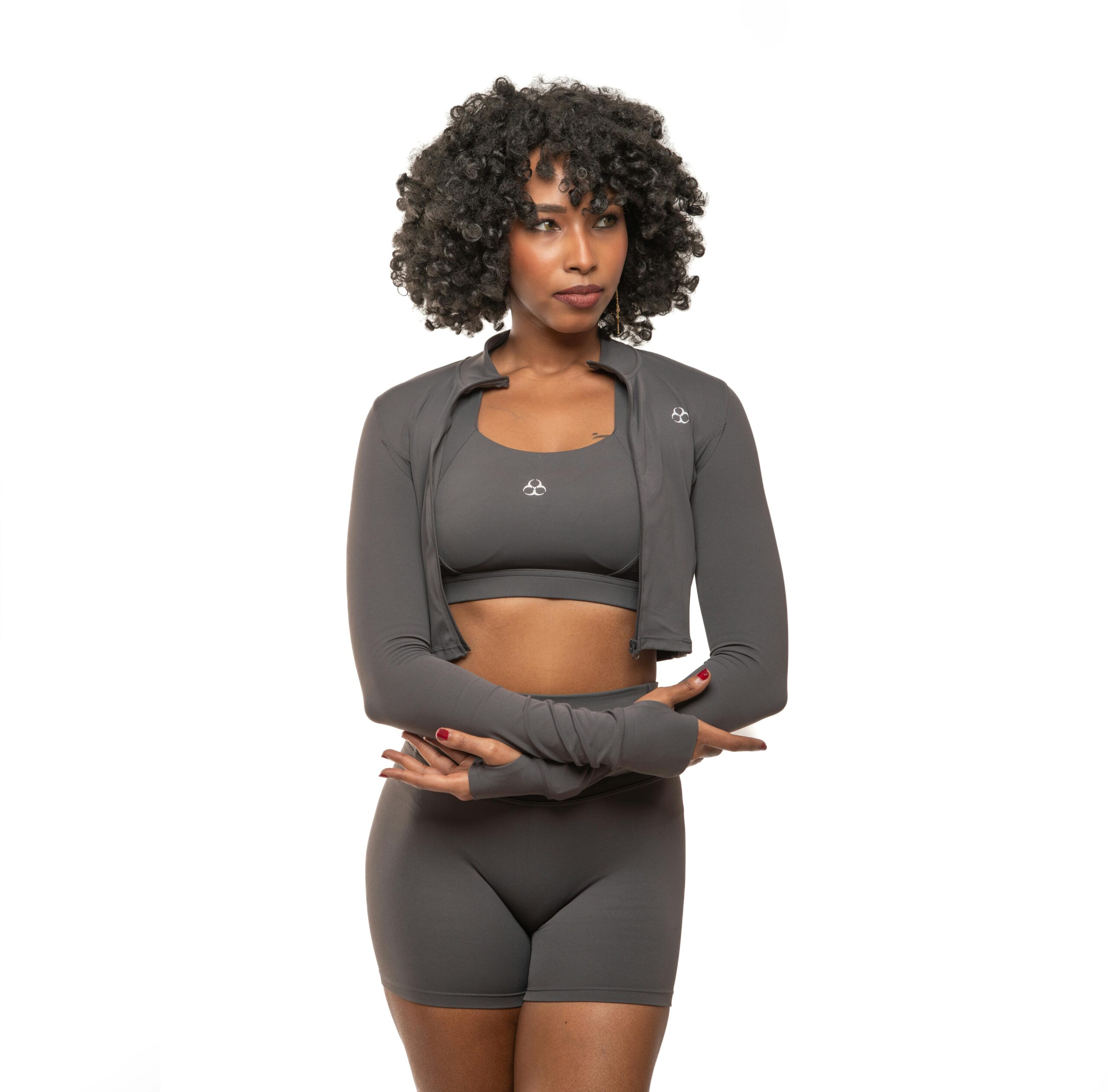
Your gym attire plays a more significant role in safety than you might realize. Proper workout clothing should fit well without being too loose or too tight. Baggy clothes can get caught in machines, while overly restrictive clothing can limit your range of motion and increase injury risk.
Footwear deserves special attention. Always wear closed-toe athletic shoes with good traction and proper support. Running shoes work well for cardio, while cross-training shoes offer versatility for various exercises. Never work out in sandals, flip-flops, or barefoot in communal gym areas—these choices expose you to both injury and hygiene risks.
Remove jewelry, watches, and accessories that could catch on equipment or cause injury. Tie back long hair to keep it away from machines. These small details make a substantial difference in preventing accidents.
The Warm-Up Ritual You Can’t Skip
Jumping straight into intense exercise with cold muscles is one of the most common mistakes gym-goers make. A proper warm-up increases blood flow to your muscles, improves joint mobility, and prepares your nervous system for the work ahead. This preparation significantly reduces injury risk while improving performance.
Spend at least 5-10 minutes warming up before your main workout. Start with light cardiovascular activity like walking, cycling, or rowing at low intensity. Follow this with dynamic stretching movements that mimic the exercises you’ll be performing. For example, if you’re planning a leg workout, include movements like leg swings, bodyweight squats, and hip circles.
Equipment Safety: Know Before You Lift
Understanding Machine Mechanics ⚙️
Every piece of gym equipment has specific operating instructions and safety features. Before using any machine, especially if it’s your first time, take a moment to understand how it works. Look for instruction placards attached to the equipment, or better yet, ask a staff member or trainer for a demonstration.
Check that safety pins are properly inserted on weight machines, cables are secure and not frayed, and all adjustments are locked in place before starting your set. Inspect benches and seats for stability, and ensure padding is intact and secure.
Never modify equipment or use it in ways other than intended. Creative adaptations might seem clever, but they often compromise safety mechanisms built into the design. If a piece of equipment feels unstable or makes unusual noises, report it to staff immediately and avoid using it until it’s been serviced.
Free Weights: Respecting the Iron
Free weights offer tremendous benefits but require extra caution. When using dumbbells, barbells, or kettlebells, always maintain control throughout the entire range of motion. Dropping weights carelessly can damage equipment, disturb others, and potentially cause serious injuries to yourself or nearby exercisers.
Use collars or clips on barbells to prevent plates from sliding off. Check that weight plates are evenly loaded on both sides before lifting. Start with lighter weights to perfect your form before progressing to heavier loads—ego lifting is one of the leading causes of preventable gym injuries.
When you finish with weights, always return them to their designated storage areas. Leaving weights on the floor creates tripping hazards for everyone in the gym. It’s not just courteous; it’s a fundamental safety practice.
Spotting and Partner Safety Guidelines
Certain exercises, particularly heavy compound movements like bench presses, squats, and overhead presses, benefit greatly from having a spotter. A spotter provides safety assistance if you fail to complete a repetition and can offer motivational support to push through challenging sets.
When acting as a spotter, give your full attention to the person lifting. Stay alert, keep your hands ready to assist, and communicate clearly about when and how you’ll help if needed. Never distract someone mid-set with conversation or by looking at your phone.
If you’re lifting and need a spotter, don’t be shy about asking someone nearby. Most gym-goers are happy to help. Clearly communicate your expectations: how many reps you’re attempting, when you might need assistance, and how you want them to help if you struggle.
💪 Technique and Form: Your Best Defense Against Injury
Perfect technique isn’t just about maximizing muscle engagement—it’s primarily about protecting your joints, tendons, and ligaments from unnecessary stress. Poor form is the single biggest contributor to gym injuries, far exceeding equipment failures or environmental hazards.
Quality always trumps quantity in the gym. Ten properly executed repetitions build more strength and muscle than twenty sloppy ones, while dramatically reducing injury risk. If you can’t complete an exercise with good form, either reduce the weight, modify the movement, or choose a different exercise altogether.
Core Principles of Safe Exercise Form
Regardless of the specific exercise, certain principles apply universally. Maintain a neutral spine position during most movements, avoiding excessive rounding or arching of your back. Engage your core muscles to create stability and protect your lower back. Move through controlled ranges of motion without bouncing or using momentum to move the weight.
Breathe properly during exercises. Generally, exhale during the exertion phase (when lifting or pushing) and inhale during the relaxation phase (when lowering or returning). Holding your breath, especially during heavy lifts, can cause dangerous spikes in blood pressure.
If you’re unsure about proper form for any exercise, invest in a few sessions with a qualified personal trainer or watch reputable instructional videos from certified fitness professionals. Learning correct technique from the beginning is far easier than trying to correct bad habits later.
Spatial Awareness and Gym Etiquette Safety
Navigating the Gym Floor 🚶
Gyms can become crowded, especially during peak hours. Maintaining awareness of your surroundings prevents collisions and accidents. When walking through the gym, watch for people mid-exercise and give them plenty of space. Never walk directly behind someone performing exercises like deadlifts, squats, or swings, as they might step backward unexpectedly.
Give people using free weights a safety buffer of at least three to four feet. This space accounts for their movement patterns and provides protection if they lose control of a weight. Similarly, avoid standing directly in someone’s line of sight in the mirror, as many exercisers use mirrors to check their form.
When selecting a spot to exercise, look for adequate clearance around you. Ensure you have enough room to perform your movements safely without hitting equipment, walls, or other people. This consideration is especially important for exercises involving swinging motions like kettlebell swings or cable exercises.
Communication Prevents Accidents
Simple communication can prevent many gym accidents. If you need to pass behind someone exercising, wait for a break between sets or politely ask if you can pass. When you’re resting between sets, move away from the equipment if others are waiting to use it, keeping walkways clear.
Use headphones at reasonable volumes that still allow you to hear people around you trying to get your attention or warn you of potential hazards. Being completely isolated in your own world creates safety risks in a shared environment.
Hydration and Physical Limits: Know When to Stop ⚠️
Dehydration impairs performance and increases injury risk by affecting muscle function, coordination, and decision-making. Bring a water bottle to every workout and sip regularly, especially during intense sessions or in warm environments. Don’t wait until you feel thirsty—by that point, you’re already dehydrated.
Understanding the difference between productive discomfort and pain that signals injury is crucial. Muscle fatigue and burning during exercise is normal; sharp, shooting, or joint pain is not. If you experience the latter, stop the exercise immediately and assess the situation. Pushing through genuine pain signals leads to serious injuries that could have been avoided.
Recognizing Warning Signs
Your body sends clear signals when something is wrong. Dizziness, nausea, chest pain, difficulty breathing beyond normal exertion, and extreme fatigue are all reasons to stop exercising and seek help if symptoms persist. Overtraining syndrome can develop when you don’t allow adequate recovery, leading to decreased performance, persistent soreness, and increased injury susceptibility.
Schedule rest days into your training program. Your muscles grow and strengthen during recovery, not during the workout itself. Training every single day without rest significantly increases injury risk and undermines your progress.
Special Considerations for Different Training Styles
Cardiovascular Equipment Safety 🏃
Treadmills, ellipticals, stationary bikes, and rowing machines each have unique safety considerations. On treadmills, always use the safety clip attached to your clothing—if you fall, it stops the belt automatically. Start at a walking pace and gradually increase speed and incline. Never jump onto a moving belt, and face forward at all times.
When using any cardio machine, familiarize yourself with the emergency stop button location before starting. Keep your movements centered on the machine platform, and avoid looking around at distractions, which can affect your balance.
Group Classes and Functional Training Areas
Group fitness classes offer great motivation but present specific safety challenges due to the number of participants and fast-paced nature. Arrive early to introduce yourself to the instructor if you’re new, and inform them of any injuries or limitations. Set up your space with adequate clearance from others, and don’t feel pressured to keep up with more experienced participants at the risk of proper form.
Functional training areas with battle ropes, medicine balls, plyo boxes, and similar equipment require extra awareness. These tools often involve explosive movements, so ensure your technique is solid and your chosen space has plenty of clearance.
Hygiene and Health Safety Protocols 🧼
Gym equipment is touched by hundreds of people, making it a potential breeding ground for bacteria and viruses. Always wipe down equipment before and after use with provided sanitizing wipes or spray. This practice protects both you and others from illness transmission.
Bring a towel to place between your skin and shared surfaces like benches and mats. Wash your hands thoroughly after your workout, and avoid touching your face during exercise. If you have any contagious conditions or open wounds, cover them properly or consider working out at home until they heal.
Never work out if you’re feeling genuinely ill with fever, body aches, or significant fatigue. Rest and recovery will get you back to the gym faster than pushing through illness, which can worsen your condition and expose others to contagion.
Creating Your Personal Safety Checklist ✅
Developing a pre-workout safety routine ensures you never overlook important precautions. Consider creating a mental or written checklist that includes these key points:
- Proper athletic wear and securely tied shoes
- All jewelry and loose accessories removed
- Water bottle filled and accessible
- Warm-up completed before intense exercise
- Equipment inspection before each use
- Proper form and technique for planned exercises
- Adequate space cleared for movements
- Cool-down and stretching after workout
- Equipment wiped down and weights returned
Making this routine habitual removes the mental burden of remembering each element while ensuring consistent safety practices. Over time, these behaviors become automatic, allowing you to focus your mental energy on your actual workout.
Building a Sustainable, Safe Training Mindset
The most important aspect of gym safety isn’t any single rule or practice—it’s cultivating a mindset that values long-term health over short-term gains. This perspective helps you make smart decisions even when your ego tempts you to lift heavier than you should or skip important safety steps to save time.
Remember that fitness is a lifelong journey, not a sprint. The person who trains consistently for decades will always achieve better results than someone who pushes too hard, gets injured, and has to stop. Every workout you complete safely is an investment in your future self, building not just strength and endurance but also sustainable healthy habits.
Stay educated about proper training techniques by following reputable fitness professionals, reading evidence-based resources, and considering periodic check-ins with qualified trainers to ensure your form remains correct as you progress. The fitness industry constantly evolves with new research, and staying informed helps you train smarter and safer.
Your Journey to Smarter, Injury-Free Training Starts Now
Implementing these gym safety rules transforms your workout experience from potentially hazardous to confidently controlled. You’ll notice not just fewer injuries, but also better results, since safe training allows for the consistency that produces real progress. The gym becomes a place of empowerment rather than anxiety when you know you’re taking proper precautions.
Share this knowledge with training partners and gym friends. A safer gym culture benefits everyone, creating an environment where people support each other’s health goals rather than competing recklessly. Your example of training smart can inspire others to adopt better practices, creating a positive ripple effect throughout your fitness community.
Start your next workout with renewed commitment to these safety principles. Check your form, respect your limits, maintain awareness of your surroundings, and remember that staying strong and staying safe aren’t competing goals—they’re inseparable partners on your path to optimal fitness. Your future self will thank you for the care you take today, enjoying years of healthy, injury-free training ahead! 💪🏆