Walking into a gym can feel overwhelming, especially when you need assistance with equipment, form, or workout routines. Learning to ask for help effectively transforms your fitness journey from intimidating to empowering, creating connections and accelerating your progress.

The ability to seek guidance at the gym isn’t just about getting answers—it’s about building confidence, respecting boundaries, and creating a supportive fitness community. Whether you’re a complete beginner or someone returning after a break, mastering this skill enhances every workout session and helps you achieve your goals faster while avoiding injuries.
🏋️ Understanding the Gym Culture and Etiquette
Before approaching anyone for help, it’s essential to understand the unwritten rules that govern gym environments. Gyms operate on mutual respect, where everyone shares space and equipment while pursuing personal fitness goals. Recognizing when someone is available versus deeply focused in their workout makes all the difference in how your request is received.
Most gym-goers wear headphones, which often signals they’re in their zone and prefer minimal interruption. However, this doesn’t mean they’re unapproachable—it simply means timing and approach matter significantly. Between sets, when someone is resting or stretching, presents the ideal moment to initiate conversation.
The gym culture varies by location, time of day, and facility type. Morning crowds often consist of regulars following strict routines, while evening sessions might have a more social atmosphere. Understanding your gym’s specific vibe helps you navigate interactions more smoothly and identify the best people to approach for assistance.
Identifying the Right People to Ask for Help
Not everyone at the gym is equally equipped to provide assistance, and choosing the right person increases your chances of receiving accurate, helpful information. Gym staff, personal trainers, and experienced members each offer different advantages when you need guidance.
Gym Staff and Personal Trainers
The most obvious and often best choice for assistance is the gym staff. These professionals are paid to help members navigate equipment, understand proper form, and answer general fitness questions. They’re typically identified by branded clothing or name tags and are positioned throughout the facility during operating hours.
Personal trainers possess extensive knowledge about exercise science, form correction, and program design. Even if you’re not paying for their services, most trainers are willing to answer quick questions, especially if approached respectfully. They understand that building goodwill with gym members can lead to future client relationships.
Experienced Gym Members
Regular gym-goers who demonstrate proper form and knowledge can be valuable resources. Look for individuals who work out consistently, use equipment correctly, and display confidence in their movements. These members often enjoy sharing their knowledge and appreciate when someone shows genuine interest in learning.
However, remember that even well-meaning members might not have formal training. Take their advice as one perspective rather than absolute truth, and cross-reference information with professional sources when possible.
The Perfect Timing for Asking Questions
Timing your request appropriately shows respect for others’ workout routines and significantly increases your chances of receiving helpful, patient responses. Understanding workout structure helps you identify optimal moments for interaction.
Most strength training involves sets and rest periods. Between sets, when someone is catching their breath, checking their phone, or simply standing near equipment, represents the ideal window. Avoid interrupting during active repetitions, as this can break concentration and potentially cause injury.
For cardio enthusiasts, approaching someone mid-run on a treadmill or during an intense cycling session is clearly inappropriate. Wait until they’ve finished their session or are transitioning between exercises. Some gyms have designated rest areas where conversations happen more naturally.
💬 Crafting Your Approach with Confidence
How you initiate the conversation sets the tone for the entire interaction. A confident yet humble approach demonstrates respect while showing you value the other person’s time and expertise.
Opening Lines That Work
Start with a polite acknowledgment that you’re interrupting their workout. Simple phrases like “Excuse me, do you have a quick moment?” or “Sorry to bother you between sets” show awareness and respect. Follow immediately with your specific question to demonstrate you’ve thought through what you need.
Complimenting someone’s form before asking for advice can work well but should be genuine. For example: “I noticed your squat form looks really solid—would you mind sharing any tips?” This approach validates their expertise while making your request clear.
Being Specific with Your Questions
Vague questions like “How do I get in shape?” or “What should I do?” place an unfair burden on the person you’re asking. Instead, prepare specific, focused questions that can be answered quickly. Examples include:
- “Could you check my deadlift form on this next set?”
- “I’m unsure about the safety pins on this squat rack—could you show me?”
- “What’s the correct way to adjust this cable machine?”
- “Is my back position correct during this row?”
Specific questions respect the other person’s time and demonstrate you’ve done some homework. They’re also more likely to yield actionable advice that immediately improves your workout.
Body Language and Communication Skills
Non-verbal communication often speaks louder than words in gym settings. Your posture, eye contact, and spatial awareness contribute significantly to how your request is received and whether the interaction feels comfortable for both parties.
Maintain appropriate physical distance when approaching someone—roughly arm’s length provides comfort without seeming standoffish. Make eye contact but don’t stare intensely, as this can feel aggressive. A friendly, open posture with relaxed shoulders signals you’re approachable and respectful.
If someone has headphones in, a small wave or gesture asking permission to speak works better than tapping their shoulder, which can startle. Wait for acknowledgment before launching into your question, giving them time to mentally shift from their workout focus.
🤝 Respecting Boundaries and Reading Social Cues
Not everyone wants to engage in conversation at the gym, and that’s perfectly acceptable. Reading social cues and respecting boundaries prevents awkward situations and maintains the positive gym environment everyone deserves.
Recognizing When Someone Prefers Solitude
Certain signals indicate someone isn’t open to interaction. If they avoid eye contact, give short responses, or quickly return to their workout without engaging further, take the hint graciously. A simple “Thanks for your help” allows both parties to move on without discomfort.
Some people use the gym as meditation time or stress relief, preferring to remain in their mental space. This isn’t personal—it reflects their needs at that moment. Respecting this boundary actually enhances gym culture by acknowledging everyone’s different relationship with fitness.
Knowing When to Follow Up
If someone provides helpful advice, a brief thank-you suffices. Resist the urge to ask multiple follow-up questions or extend the conversation unless they clearly show interest in continuing. You can always approach them another day if you see them regularly and they seemed receptive.
Building gym relationships happens gradually through repeated positive interactions, not forced conversations. Brief, respectful exchanges over time often develop into genuine friendships where deeper discussions about fitness naturally occur.
Asking Gym Staff for Assistance
Gym employees exist specifically to enhance your experience, yet many members hesitate to utilize this resource. Understanding what staff can help with and how to approach them maximizes your membership value.
Front desk staff can typically answer questions about hours, amenities, class schedules, and facility policies. Floor trainers or fitness specialists can demonstrate equipment, explain proper form, and suggest modifications for injuries or limitations. Knowing who handles what streamlines your requests.
Most gyms offer complimentary orientation sessions for new members—take advantage of this! These sessions familiarize you with equipment and establish a relationship with staff, making future questions feel more natural. Staff members often remember people who attended orientation and are more invested in their progress.
📱 Utilizing Technology and Apps for Guidance
Modern technology provides incredible resources for learning proper form and workout techniques, reducing your need to interrupt others while still ensuring you’re exercising safely and effectively.
Fitness apps with video demonstrations allow you to learn exercises before attempting them at the gym. Many apps offer form tutorials, workout programs, and progress tracking that answer common questions. This preparation enables you to ask more sophisticated questions when you do seek in-person help.
Recording yourself during exercises helps identify form issues you can then ask about specifically. Showing someone a video of your form gives them concrete information to work with, making their feedback more precise and valuable. Most gyms permit recording for personal use, though always be mindful not to capture other members in your frame.
Common Situations Where Asking for Help Is Essential
Certain scenarios absolutely require seeking assistance, as attempting to figure them out independently risks injury or equipment damage. Recognizing these situations demonstrates maturity and commitment to safe training.
Equipment Safety and Setup
When you’re unsure how to adjust safety features, set proper heights, or secure weight plates, always ask before proceeding. Equipment mishaps cause serious injuries that are entirely preventable through quick clarification. No question about safety is too basic or embarrassing.
Complex machines with multiple adjustment points, cable systems with various attachments, or specialized equipment like Olympic lifting platforms often confuse even experienced gym-goers. Staff expect these questions and appreciate members who prioritize safety over ego.
Form Checks for Compound Movements
Exercises like squats, deadlifts, bench presses, and overhead presses involve multiple muscle groups and complex movement patterns. Small form deviations in these exercises can lead to significant injuries over time. Requesting occasional form checks from knowledgeable individuals helps prevent these issues before they develop.
When asking for form checks, specify what concerns you. For example: “I’m worried about keeping my back neutral in deadlifts—could you watch a set?” This targeted request is easier to fulfill than “Can you check everything about my form?”
💪 Building Long-Term Gym Relationships
The connections you develop at the gym can transform your fitness experience from solitary and challenging to supported and enjoyable. These relationships form the foundation of accountability, motivation, and continued learning.
After receiving help, acknowledge that person when you see them in future workouts. A simple nod, smile, or brief greeting maintains the connection without demanding their time. This gradual relationship-building creates a network of gym acquaintances who become familiar faces in your fitness journey.
Share your progress with people who’ve helped you. Mentioning how their advice improved your form or helped you achieve a goal validates their assistance and encourages continued support. People genuinely appreciate knowing their help made a difference.
What to Do When Advice Conflicts
You’ll inevitably receive contradictory advice from different sources—trainers, gym members, online resources, and friends all have opinions. Navigating conflicting information requires critical thinking and understanding that fitness isn’t one-size-fits-all.
Consider the source’s credentials and experience. A certified trainer’s advice generally carries more weight than a well-meaning beginner’s suggestions. However, even professionals disagree on training methodologies, as exercise science continually evolves.
Research reputable sources to cross-reference advice you receive. Educational fitness platforms, peer-reviewed studies, and established training systems provide frameworks for evaluating recommendations. When in doubt, consulting a certified professional resolves confusion and ensures you’re following safe, effective practices.
Overcoming Gym Anxiety When Asking for Help
Many people experience anxiety about appearing inexperienced or bothersome when seeking gym assistance. Understanding that everyone started as a beginner and most people enjoy helping reframes these concerns into growth opportunities.
Remember that asking questions demonstrates intelligence and commitment to proper training—not weakness or ignorance. Experienced lifters respect individuals who prioritize learning correct techniques over ego-driven lifting. Your willingness to learn actually earns respect within the fitness community.
Start with low-stakes questions to build confidence. Asking staff about facility features or class schedules requires less vulnerability than requesting form checks. Gradually working up to more personal fitness questions develops your comfort with seeking assistance.
🎯 Creating Your Personal Support System
Beyond individual interactions, consider structured support systems that provide consistent guidance throughout your fitness journey. These resources complement spontaneous gym floor advice with comprehensive, personalized support.
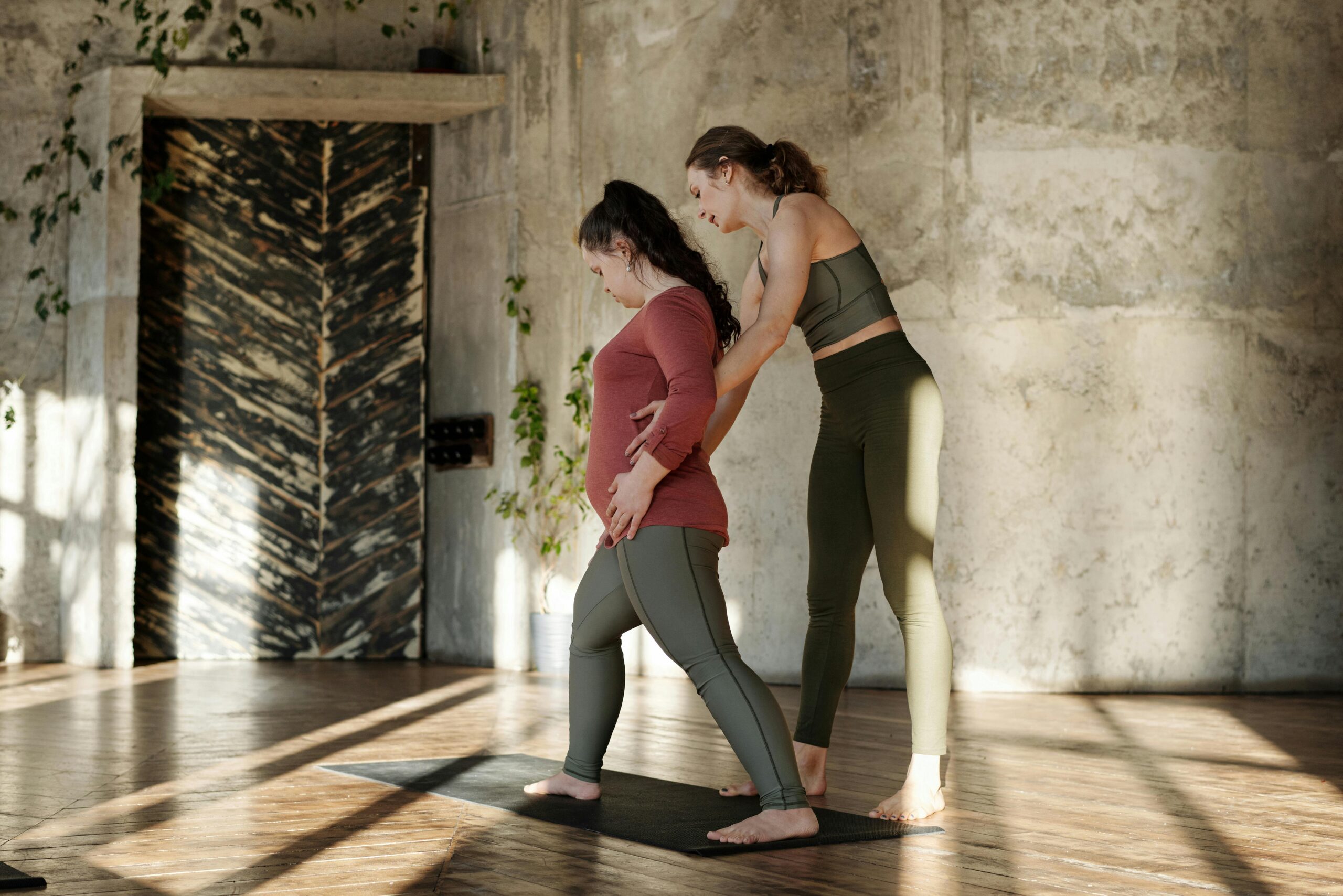
Investing in even a few personal training sessions provides foundational knowledge that makes independent training more effective. Many gyms offer package deals or introductory rates that make professional guidance accessible. These sessions answer accumulated questions and establish proper techniques from the start.
Group fitness classes create built-in support systems where the instructor provides expertise and classmates offer encouragement. The structured environment removes the pressure of navigating the gym floor independently while still delivering effective workouts.
Online communities centered on your specific fitness interests connect you with people facing similar challenges. These forums allow you to ask questions without time pressure and receive diverse perspectives from global fitness enthusiasts.
Paying It Forward: Becoming Someone Who Helps
As you gain experience and knowledge, you’ll transition from primarily asking questions to being someone others approach for advice. This evolution represents significant progress and contributes positively to gym culture.
When someone asks for your help, remember how it felt to be uncertain and approach your response with patience and encouragement. Share what you know while acknowledging your limitations—it’s perfectly acceptable to say “I’m not sure about that, but the trainers here could definitely help.”
Offer assistance when you notice someone clearly struggling with equipment or safety issues, but do so tactfully. “Would you like me to spot you?” or “Can I show you a quick adjustment?” respects their autonomy while providing needed support.
The Confidence That Comes From Asking
Each time you successfully ask for and receive help at the gym, you build confidence that extends beyond fitness. This skill translates to all life areas where seeking guidance demonstrates strength rather than weakness.
Your willingness to ask questions accelerates your progress exponentially compared to struggling alone. What might take months to figure out independently becomes clear in minutes with proper guidance. This efficiency means faster results, fewer injuries, and more enjoyable workouts.
The gym becomes a welcoming community rather than an intimidating space when you engage with others through respectful, confident interactions. These connections enhance motivation, provide accountability, and make fitness a sustainable lifestyle rather than temporary effort.
Mastering the art of asking for help at the gym represents a crucial life skill that serves you far beyond the weight room. It requires balancing confidence with humility, respecting boundaries while seeking growth, and recognizing that everyone’s fitness journey benefits from community support. By approaching requests thoughtfully, timing them appropriately, and building genuine connections, you transform your gym experience into something far more valuable than physical fitness alone—you create a supportive environment where everyone thrives together. The next time you’re unsure about equipment, form, or programming, remember that asking for help isn’t a sign of weakness but a demonstration of commitment to doing things correctly and a respect for both your body and the fitness community around you.