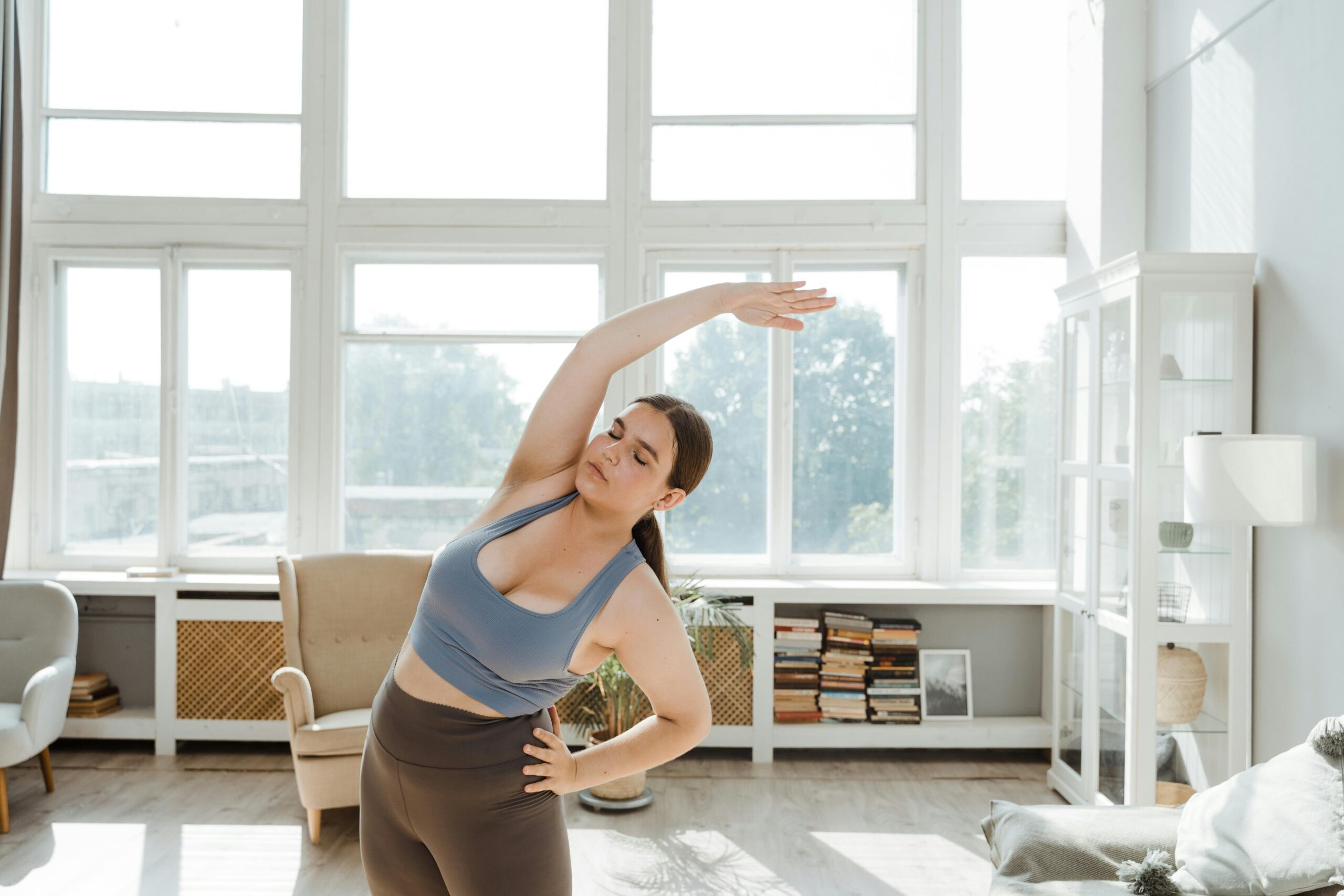
Walking into a packed gym can feel overwhelming, with every machine occupied and weights scattered everywhere. But mastering the art of navigating crowded gyms transforms chaos into opportunity, ensuring you never skip a workout again.

Whether you’re a morning warrior facing the pre-work rush or an evening exerciser battling the after-office crowd, learning to adapt your fitness routine to busy gym environments is an essential skill. The good news? With the right strategies and mindset, you can turn any crowded gym session into an efficient, stress-free workout that delivers results regardless of the circumstances around you.
🏋️ Understanding Gym Rush Hours and Peak Times
Knowledge is power when it comes to navigating crowded gyms. Most fitness facilities experience predictable traffic patterns that you can use to your advantage. Typically, gyms see their heaviest crowds between 5:00-7:00 AM before work, 12:00-1:00 PM during lunch breaks, and 5:00-8:00 PM after work hours. Weekends often bring mid-morning crowds between 9:00 AM and noon.
Understanding these patterns allows you to make informed decisions about when to train. If your schedule permits flexibility, arriving just 30 minutes before or after peak times can dramatically improve your gym experience. However, for those locked into specific time slots, knowing what to expect helps you prepare mentally and strategically for your workout.
Creating Flexible Workout Plans That Adapt to Availability
The cornerstone of stress-free gym sessions in crowded environments is flexibility. Gone are the days when you could follow a rigid workout plan that requires specific equipment in a predetermined sequence. Instead, develop multiple workout variations that accomplish similar training goals.
For example, if your plan calls for barbell squats but the squat rack is occupied, have alternatives ready: goblet squats with dumbbells, Bulgarian split squats, leg press, or even bodyweight variations. This approach ensures you’re never standing around waiting, which wastes time and disrupts your workout momentum.
Building Your Exercise Arsenal
Develop a mental database of exercise substitutions organized by muscle groups and movement patterns. For every primary exercise in your routine, identify at least two alternatives that target the same muscles. This preparation transforms frustration into seamless transitions, keeping your heart rate elevated and your workout on track.
Consider creating themed workout categories in your mind: pushing movements, pulling movements, leg exercises, and core work. Within each category, know exercises that require minimal equipment, popular equipment, and alternatives that most people ignore during busy times.
Strategic Equipment Selection During Peak Hours
Not all gym equipment experiences equal demand during crowded periods. While squat racks and bench presses often have waiting lists, certain equipment typically remains available even during rush hours. Becoming familiar with these underutilized resources opens up new training possibilities.
Cable machines, kettlebells, resistance bands, TRX suspension trainers, and medicine balls often sit idle while people queue for traditional barbell exercises. These tools provide exceptional training stimulus and can form the foundation of highly effective workouts when your go-to equipment is occupied.
The Power of Circuit Training in Crowded Spaces
Circuit training becomes your secret weapon during peak gym hours. By selecting 4-6 exercises using different equipment stations, you create a mobile workout that flows through available spaces. This approach minimizes downtime, maximizes efficiency, and naturally navigates around crowded areas.
Design your circuits to alternate between upper body, lower body, and core movements. This sequencing allows muscle groups to recover while others work, eliminating the need to camp out at a single station. Move quickly between exercises with minimal rest, and you’ll complete an intense workout while barely competing for equipment.
⏱️ Timing Strategies for Maximum Equipment Access
Observation and timing can dramatically improve your equipment access. Spend your first few crowded gym sessions noting patterns: which equipment empties first, how long people typically spend at stations, and where bottlenecks form. This intelligence gathering pays dividends in future workouts.
Many gym-goers follow predictable routines, arriving and leaving around the same times. Once you identify these patterns, you can strategically position yourself to access equipment as it becomes available, essentially surfing the wave of gym traffic rather than fighting against it.
The Art of Efficient Equipment Sharing
Politely asking to work in with someone using equipment you need is perfectly acceptable gym etiquette. Most people appreciate the interaction and are happy to share. This approach works particularly well with exercises requiring minimal weight adjustments between sets.
When working in, respect the other person’s workout by being ready to switch quickly, offering to help change weights, and keeping conversation brief and friendly. This collaboration often leads to shorter perceived wait times and sometimes creates workout partnerships that make gym visits more enjoyable.
Bodyweight Training: Your Always-Available Alternative 💪
Bodyweight exercises represent the ultimate crowded-gym solution because they require no equipment whatsoever. A comprehensive bodyweight routine can deliver remarkable results while completely eliminating equipment competition. Push-ups, pull-ups, dips, lunges, planks, and their countless variations provide challenging workouts anywhere.
Advanced practitioners incorporate techniques like tempo manipulation, isometric holds, and explosive movements to increase difficulty without equipment. A bodyweight circuit performed in an empty corner or studio space delivers a complete workout while everyone else waits for machines.
Combining Bodyweight and Minimal Equipment
Enhance bodyweight training with small, portable equipment that rarely sits in waiting queues. Resistance bands, sliding discs, and even a single dumbbell or kettlebell exponentially expand exercise possibilities. These tools travel easily within the gym and set up anywhere, giving you maximum flexibility during crowded periods.
Mental Strategies for Stress-Free Crowded Gym Workouts
Physical strategies only work when supported by the right mindset. Approaching crowded gyms with frustration guarantees a negative experience, while the proper mental framework transforms challenges into opportunities. Your attitude determines whether crowds become obstacles or merely background conditions.
Reframe your perspective: view crowded gyms as challenges that develop adaptability, a valuable fitness skill. Athletes who can deliver performance in non-ideal conditions build mental toughness that translates beyond the gym. Each successful crowded-gym workout strengthens your resilience and problem-solving abilities.
Practicing Patience and Gym Etiquette
Remember that everyone at the gym shares your goal of self-improvement. Practicing patience and courtesy creates a positive atmosphere that benefits everyone. Simple actions like returning weights, wiping down equipment, and offering friendly acknowledgment to fellow gym-goers contribute to a more pleasant environment.
When frustration arises, take a brief pause, breathe deeply, and remember why you’re there. Focusing on your personal fitness journey rather than external irritations keeps you centered and productive regardless of surrounding chaos.
📱 Leveraging Technology for Better Gym Navigation
Modern technology offers solutions for managing crowded gym experiences. Many fitness facilities now provide apps showing real-time equipment availability and crowd levels, allowing you to plan visits strategically. These tools take the guesswork out of timing your workouts.
Workout tracking apps help you log alternative exercises quickly, ensuring you maintain progressive overload even when substituting exercises. Some apps suggest alternative movements when you input equipment unavailability, providing instant solutions during your session.
Creating Digital Backup Plans
Store multiple workout variations in your phone’s notes or fitness app, organized by equipment requirements. Label these as “Full Gym Access,” “Limited Equipment,” and “Bodyweight Only.” Having pre-planned alternatives accessible instantly eliminates decision fatigue when your primary plan becomes impossible.
Many dedicated exercisers photograph empty areas of their gym during off-peak visits, noting which equipment those spaces contain. These photos serve as quick references during crowded sessions, reminding you of underutilized training zones you might otherwise forget.
Zone Defense: Strategic Gym Floor Positioning
Fitness facilities typically have natural zones: free weight areas, machine sections, functional training spaces, and cardio zones. During peak hours, different zones experience varying crowd densities. Identifying and utilizing the least crowded zones maximizes your training efficiency.
Functional training areas with unconventional equipment often remain relatively empty even when traditional lifting zones are packed. These spaces typically contain battle ropes, medicine balls, plyo boxes, and agility equipment that deliver intense workouts without competition.
Creating Your Personal Training Territory
Once you identify a workable space, establish a compact training territory using a mat or small equipment cluster. This creates a defined workout zone without monopolizing excessive space. Position yourself strategically to allow traffic flow while maintaining access to your immediate training area.
Respect spatial boundaries while claiming enough room to exercise safely. A 6×6 foot area typically suffices for most bodyweight and small-equipment exercises. This footprint accommodates your workout without infringing on others’ space, demonstrating consideration while meeting your training needs.
🎯 Workout Efficiency Techniques for Time-Pressed Sessions
Crowded gyms often correlate with time pressure, making workout efficiency crucial. Implementing strategies that maximize results in minimal time ensures you accomplish fitness goals even when conditions aren’t ideal. Efficiency techniques also reduce your gym footprint, requiring less space and equipment.
Supersets and compound exercises become particularly valuable during busy periods. Pairing exercises that use different muscle groups allows continuous work with minimal rest, completing workouts faster while maintaining intensity. This approach naturally flows through the gym without requiring extended station occupancy.
The 30-Minute Power Workout Formula
Design complete workouts accomplishable in 30 minutes regardless of crowds. Start with a brief dynamic warm-up (5 minutes), followed by 20 minutes of intense circuit or superset training, and finish with a quick cool-down (5 minutes). This compressed timeframe focuses your effort and reduces exposure to equipment unavailability frustrations.
Choose exercises with maximum return on investment: movements that engage multiple muscle groups simultaneously. Squats, deadlifts variations, push-up variations, rows, and overhead presses deliver comprehensive training stimulus efficiently. Combining these into strategic sequences creates complete workouts using minimal equipment.
Building Relationships Within Your Gym Community
Regular gym attendance naturally creates familiarity with other members, especially those who train during similar times. These casual relationships often provide mutual benefits during crowded periods, from sharing equipment to spotting exercises to simply offering friendly encouragement.
A simple greeting or brief conversation during rest periods establishes connections that make the gym environment more pleasant. These relationships sometimes evolve into workout partnerships where you coordinate equipment use, making both training sessions more efficient during peak hours.
Communicating Effectively with Fellow Gym Members
Clear, polite communication prevents conflicts and facilitates cooperation. When asking to work in or checking how many sets someone has remaining, approach with friendly energy and respect for their workout. Most people respond positively to courteous requests and appreciate clear communication over uncertain hovering.
Similarly, when others approach you, respond with the same courtesy you’d appreciate. Offering to let someone work in when you’re resting between sets demonstrates community spirit and often results in reciprocal generosity when you need equipment later.
Alternative Training Spaces Within Your Gym 🌟
Most gyms contain underutilized spaces perfect for bodyweight and minimal-equipment training. Studio rooms between classes, outdoor areas, stretching zones, and hallway spaces often sit empty even during peak hours. These alternatives provide escape routes when main training floors become overwhelming.
Before using alternative spaces, confirm gym policies permit their use. Most facilities welcome members utilizing all available areas as long as you’re not disrupting scheduled classes or creating safety hazards. These hidden gems sometimes offer superior training environments with better lighting, mirrors, or floor surfaces.
Outdoor and Connected Spaces
Some fitness centers include outdoor training areas, parking lots, or adjacent parks. These spaces offer unlimited room for cardio, bodyweight circuits, and functional training when indoor areas reach capacity. Weather permitting, outdoor workouts provide refreshing alternatives to cramped indoor conditions.
The change of scenery and fresh air often boost workout quality beyond what crowded indoor training delivers. Consider outdoor sessions as primary options during pleasant weather rather than backup plans, reserving indoor time for exercises genuinely requiring gym equipment.
Planning Ahead: The Weekly Workout Strategy
Strategic weekly planning dramatically improves crowded gym management. Analyze your upcoming week and identify which days allow flexible timing versus fixed schedules. Prioritize equipment-intensive workouts for times when you can visit during off-peak hours, saving bodyweight and minimal-equipment sessions for unavoidable rush-hour visits.
This proactive approach ensures you accomplish all training goals across the week without frustration. Accepting that some workouts will occur during crowds removes the expectation of perfect conditions, reducing stress when facing busy gym floors.
Creating Your Personal Gym Schedule Matrix
Develop a simple matrix matching your available training times with likely gym crowd levels and workout requirements. This visual tool helps you slot appropriate workouts into realistic time windows, setting proper expectations and eliminating surprises. Update this matrix periodically as your schedule and gym patterns change.
The Home-Gym Hybrid Approach
Supplementing gym memberships with minimal home equipment provides ultimate flexibility. A few resistance bands, a yoga mat, and perhaps dumbbells or kettlebells enable complete workouts when gym crowds become truly unmanageable or when life circumstances prevent travel to the facility.
This hybrid approach removes pressure from every gym visit needing to be perfect. Knowing you can complete quality training at home if necessary transforms gym visits from obligations into opportunities, reducing stress around equipment availability and crowds.

Embracing the Challenge and Growing Stronger 💪
Ultimately, mastering crowded gym navigation develops valuable life skills extending beyond fitness. Adaptability, creative problem-solving, patience, and effective communication all improve through successfully managing challenging workout environments. These capabilities translate to career challenges, relationship dynamics, and personal growth.
Rather than viewing crowded gyms as obstacles preventing ideal workouts, recognize them as training grounds for mental toughness and flexibility. Athletes who perform excellently despite imperfect conditions develop resilience that manifests in all life areas. Your ability to maintain consistency regardless of circumstances becomes your greatest fitness asset.
Every successful workout completed in a packed gym proves that external conditions don’t control your progress—your commitment and creativity do. This empowering realization transforms frustration into confidence, knowing that nothing can derail your fitness journey when you possess the tools and mindset to adapt and overcome.
Start implementing these strategies during your next crowded gym visit. Arrive with flexible plans, maintain positive energy, and approach the experience as an opportunity to demonstrate your adaptability. Over time, navigating crowded gyms becomes second nature, and you’ll wonder why it ever seemed challenging. Your stress-free workouts await—anytime, anywhere, regardless of how many people surround you!