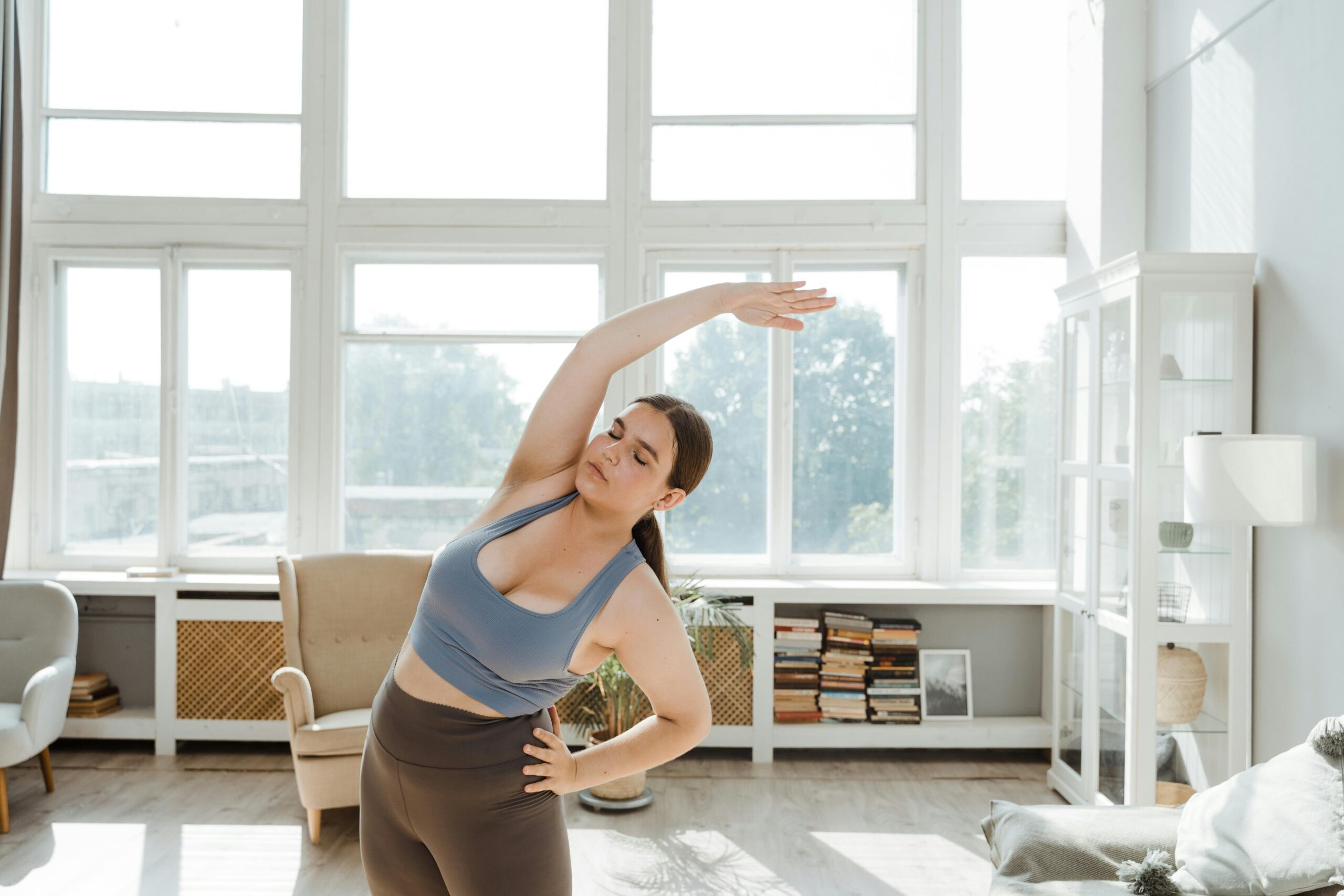
Walking into a group fitness class for the first time can feel intimidating, but understanding proper gym etiquette transforms that nervousness into confidence.

Group fitness classes have exploded in popularity over recent years, offering structured workouts, motivating instructors, and the energy of exercising alongside others. Whether you’re stepping into a spinning studio, yoga class, boot camp, or Zumba session, knowing the unspoken rules of group class etiquette ensures you respect fellow participants while maximizing your own workout experience. This comprehensive guide will walk you through everything you need to know about navigating group fitness classes with grace, confidence, and consideration for those around you.
🕐 Arrive Early and Claim Your Space Respectfully
Punctuality isn’t just polite—it’s essential in group fitness environments. Arriving five to ten minutes before class starts gives you time to check in, set up your equipment, and mentally prepare for the workout ahead. Late arrivals disrupt the instructor’s flow, distract other participants, and may cause you to miss critical warm-up instructions that prevent injury.
When selecting your spot in class, be mindful of the space dynamics. Newcomers often benefit from positioning themselves in the middle or back rows where they can follow more experienced participants. However, if you’re a regular, don’t monopolize the same prime spot every session—variety allows everyone to experience different perspectives and energy levels throughout the room.
Respect personal space boundaries by leaving adequate room between yourself and neighboring participants. Most fitness experts recommend at least an arm’s length in all directions, ensuring everyone can move freely without accidentally striking someone during burpees, jumping jacks, or flowing through yoga poses.
📵 Technology Has Its Place—Know When to Disconnect
Your smartphone can be a valuable fitness tool for tracking workouts, but it can also become a significant distraction. Before class begins, silence your device completely—not just vibrate mode, which can still create noise on hard surfaces. If you absolutely must keep your phone accessible for emergencies, inform the instructor beforehand.
Taking photos or videos during class requires explicit permission from both the instructor and fellow participants. Many people attend fitness classes as their private sanctuary and may not consent to appearing in your social media content. Some studios have strict no-photography policies to protect everyone’s privacy and maintain a judgment-free environment.
Smartwatches and fitness trackers are generally acceptable, but constantly checking them or allowing them to emit sounds disrupts the collective focus. Set them to silent mode and resist the urge to obsessively monitor your stats during the workout—you can review all that data afterward.
💪 Master Equipment Protocol and Sharing Principles
Equipment etiquette varies depending on the class format, but universal principles apply across all group fitness settings. Always return weights, resistance bands, yoga blocks, and other props to their designated storage areas immediately after use. Leaving equipment scattered creates safety hazards and forces others or staff to clean up after you.
When sharing equipment is necessary, communicate clearly and respectfully. If someone is using dumbbells you need, politely ask if you can work in between their sets rather than hovering impatiently nearby. Most fitness enthusiasts appreciate direct, friendly communication over passive-aggressive body language.
Equipment Wiping Guidelines
Sanitization has become even more critical in recent years. Most gyms provide disinfectant spray and paper towels—use them generously. Wipe down all equipment before and after use, including yoga mats, weight benches, bike seats, handlebar grips, and any other surfaces your body contacts during the workout.
Bring your own towel to place between your body and shared surfaces. This practice not only maintains hygiene but also shows respect for fellow class members who use the equipment after you. Nobody wants to exercise on equipment still damp with someone else’s sweat.
🗣️ Communication and Social Awareness During Class
Group classes thrive on collective energy, but there’s a fine line between motivating enthusiasm and disruptive chatter. Save conversations for before and after class. During the workout, focus your energy on the exercises rather than socializing with neighbors or across the room.
If you need to communicate during class—perhaps to ask for form correction or clarify instructions—keep it brief and relevant. Raising your hand to get the instructor’s attention works better than calling out across a room full of people trying to concentrate on their breathing and movement patterns.
Volume control extends to your workout sounds as well. While some grunting or heavy breathing is natural during intense exercise, excessive vocalizations distract others. Similarly, singing along to the music, even if you love the playlist, interferes with participants trying to hear the instructor’s cues.
👟 Dress Code Considerations That Go Beyond Fashion
Appropriate workout attire serves functional purposes beyond aesthetics. Choose moisture-wicking fabrics that prevent excessive sweat accumulation and reduce odor. Avoid overly loose clothing that might expose more than intended during inversions, bends, or dynamic movements—both for your comfort and out of respect for others’ focus.
Footwear requirements vary by class type. High-intensity interval training and boot camps typically require supportive athletic shoes with good traction. Yoga and Pilates classes usually prefer bare feet or grip socks. Cycling classes mandate cycling shoes or sneakers that fit into the bike pedals. Check with your gym or instructor beforehand if you’re unsure about specific footwear guidelines.
Strong fragrances—whether perfume, cologne, or heavily scented body products—can trigger allergies, asthma, or migraines in sensitive individuals. In the confined space of a group fitness studio, these scents intensify and become overwhelming. Opt for unscented or lightly scented personal care products before attending class.
🎯 Follow the Instructor’s Lead and Modifications
Instructors design classes with specific progressions, timing, and safety considerations. Freelancing through your own routine during a structured class disrupts the flow and potentially confuses other participants who might think your modifications are part of the official instruction.
If an exercise doesn’t work for your body due to injury, limitation, or skill level, ask the instructor for appropriate modifications rather than improvising potentially unsafe alternatives. Quality instructors appreciate when participants advocate for their needs and will provide suitable options that maintain the workout’s integrity while respecting your boundaries.
Accepting Your Current Fitness Level
Ego has no place in group fitness. Pushing yourself is admirable, but recklessly attempting advanced variations before you’ve mastered the basics invites injury and sets a poor example for others who might feel pressured to keep up beyond their capabilities. Honor where your body is today, not where you wish it were or where it might have been years ago.
Taking breaks during class is completely acceptable and often necessary. Step to the side, grab water, and rejoin when you’re ready. Pushing through dizziness, pain, or exhaustion serves nobody and could result in serious medical emergencies that disrupt the entire class.
🧘 Respect the Sacred Elements of Mind-Body Classes
Yoga, Pilates, meditation, and similar mind-body practices carry additional etiquette considerations rooted in their contemplative nature. These classes emphasize internal focus, breath awareness, and present-moment consciousness, making distractions particularly disruptive.
During final relaxation (savasana) in yoga classes, remain as still and quiet as possible. If you must leave early, inform the instructor beforehand and position yourself near the door for a discreet exit before the closing meditation begins. Packing up your belongings during savasana disturbs everyone else’s integration period.
In these quieter class formats, even small sounds become magnified. Chewing gum creates distracting noises. Jewelry that jangles with movement breaks the meditative atmosphere. Rustling water bottles or crinkling wrappers pulls focus away from the internal experience the practice cultivates.
💧 Hydration Station Awareness
Staying hydrated during workouts is crucial, but managing your water bottle requires consideration. Position your bottle where it won’t get kicked during movements but remains accessible without you having to cross through others’ workout space repeatedly. Some studios provide designated spots for water bottles—use them.
During water breaks, step aside rather than standing in your workout space if the class continues moving through exercises. This consideration allows the instructor and other participants to see and be seen without obstruction. Drink efficiently and return to position promptly so you don’t miss important transitions or instructions.
If you need water outside of designated break times, absolutely take it—health trumps etiquette every time. Just do so as unobtrusively as possible, and return to the workout without drawing excessive attention to your absence.
🤝 Building Community Without Crossing Boundaries
Group fitness classes naturally foster community and friendship, which enhances motivation and accountability. However, respect personal boundaries regarding unsolicited advice, unwanted physical contact, and invasive personal questions.
Unless someone explicitly asks for feedback, keep form corrections and technique suggestions to yourself. Participants pay instructors for professional guidance, not peers for amateur coaching. If you genuinely notice something that might prevent injury, discreetly alert the instructor rather than publicly correcting a fellow participant.
Physical adjustments belong exclusively to trained instructors with appropriate certifications and liability coverage. Never touch another participant to correct their form, even with good intentions. Some people have trauma histories, sensory sensitivities, or cultural backgrounds that make unexpected touch particularly distressing.
🔄 Transitioning Between Exercises Smoothly
Efficient transitions maximize workout time and maintain the class’s cardiovascular momentum. When the instructor cues an equipment change or position shift, move purposefully but safely. Rushing creates collision risks, while dawdling disrupts the class flow and forces others to wait.
Anticipate transitions by listening carefully to instructor cues about upcoming changes. Positioning your equipment strategically from the start minimizes mid-class scrambling. For example, if you know the class involves alternating between dumbbells and bodyweight exercises, keep your weights within easy reach rather than across the room.
If you’re struggling to keep pace with transitions, don’t panic or give up. Skip a repetition if necessary to set up properly for the next exercise—quality execution matters more than quantity when you’re still learning the routine’s rhythm.
🌟 Handling Challenges and Awkward Situations Gracefully
Even with perfect etiquette, awkward situations arise in group fitness settings. Perhaps you accidentally kicked someone during a high knee exercise, knocked over a water bottle, or lost your balance and bumped into your neighbor. A quick apology, helping address any immediate concerns, and refocusing on the workout is the appropriate response.
If another participant behaves disruptively or violates etiquette guidelines in ways that affect your experience, resist the temptation to confront them during class. Instead, speak privately with the instructor or gym management afterward. They’re trained to handle these situations professionally and can address patterns of problematic behavior appropriately.
Bodily functions happen during physical exertion. If you need to pass gas, excuse yourself briefly if possible. If it happens unexpectedly, a quiet “excuse me” suffices—don’t make a big production that draws more attention. Everyone understands that bodies do what bodies do during intense exercise.
📊 Tracking Progress Without Comparison or Competition
Many group fitness classes incorporate performance tracking, whether it’s cycling metrics displayed on screens, heart rate monitors visible to all, or public leaderboards showing rankings. While this data motivates some people, it triggers unhealthy comparison and competition in others.
Focus on your personal progress rather than how you stack up against classmates. Your fitness journey is uniquely yours, influenced by your genetics, training history, current lifestyle, stress levels, sleep quality, and numerous other factors that differ from everyone around you. The person next to you might be a professional athlete or might be managing a chronic condition—you simply don’t know their story.
If public performance displays cause you anxiety rather than motivation, position yourself where you can’t easily see the screens, or ask the instructor if there’s an option to keep your individual data private while still tracking it for your personal records.
🎵 Music Preferences and Auditory Considerations
Instructors carefully curate playlists to match workout intensity and create motivating atmospheres. If you dislike the music selection, recognize that musical taste is subjective and the playlist won’t please everyone. Unless the volume causes actual hearing discomfort or pain—in which case you should absolutely speak up for safety reasons—accept the musical choices as part of that particular class’s experience.
Never request song changes during class or complain audibly about music selections. These comments distract others and put instructors in uncomfortable positions. If music style is a dealbreaker for you, try different instructors or class times until you find one whose musical sensibility aligns with yours.
Some participants wear headphones or earbuds during group classes. While this might work in some gym environments, it’s generally inappropriate for group fitness classes where following instructor cues and maintaining collective energy is essential. If you have legitimate reasons requiring personal audio (like hearing difficulties that make instructor cues easier to understand through assisted devices), discuss accommodations with the instructor privately.
🏁 Gracious Exits and Post-Class Courtesy
If you absolutely must leave class early, inform the instructor beforehand and position yourself near the exit. During mind-body classes, leave before the final relaxation period begins. In high-energy formats, exit during a water break or transition rather than mid-exercise when your departure is most disruptive.
When class concludes, thank your instructor. A simple “great class” or “thank you” acknowledges their effort and energy. Instructors feed off participant enthusiasm, and your appreciation reinforces their passion for teaching.
Don’t monopolize the instructor’s time immediately after class if others are waiting to speak with them. Keep post-class conversations brief, especially regarding complex questions better suited for email or scheduled consultations. Other participants deserve the instructor’s attention too, and the next class may be starting soon.
💡 Creating the Experience You Want to Have
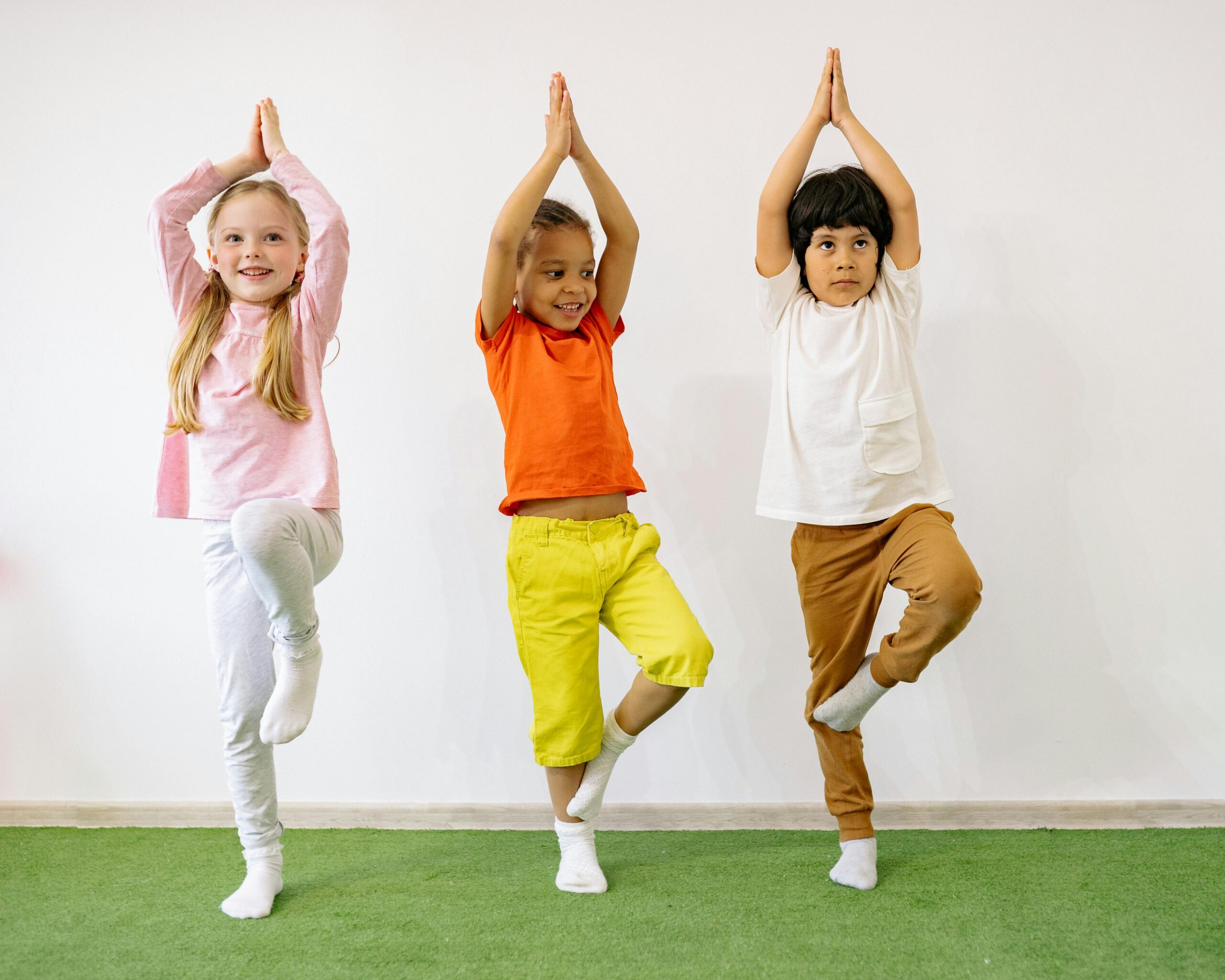
Ultimately, gym etiquette for group classes boils down to the golden rule: treat others how you wish to be treated. Consider how various behaviors affect the collective experience and adjust accordingly. The awareness you bring to your actions creates ripple effects that elevate the entire community’s workout environment.
Regular self-reflection helps refine your etiquette practices. After each class, consider what went well and what you might adjust next time. Did you arrive with enough buffer time? Was your equipment put away properly? Did you maintain appropriate focus during the workout? This ongoing self-assessment cultivates continuous improvement in your group fitness citizenship.
Remember that everyone started as a beginner at some point. The intimidation you might feel as a newcomer was once experienced by even the most seasoned class regulars. Approaching group fitness with humility, respect, and willingness to learn creates an inclusive environment where everyone can thrive, regardless of their fitness level or experience.
By mastering these etiquette principles, you’ll not only enhance your own workout experience but also contribute to a positive, motivating atmosphere that benefits everyone in the class. Group fitness thrives when participants balance personal goals with collective consideration—a practice that extends far beyond the gym walls into all areas of life. Step into your next class with confidence, respect, and the knowledge that you’re prepared to be an exemplary member of the fitness community. 💪✨