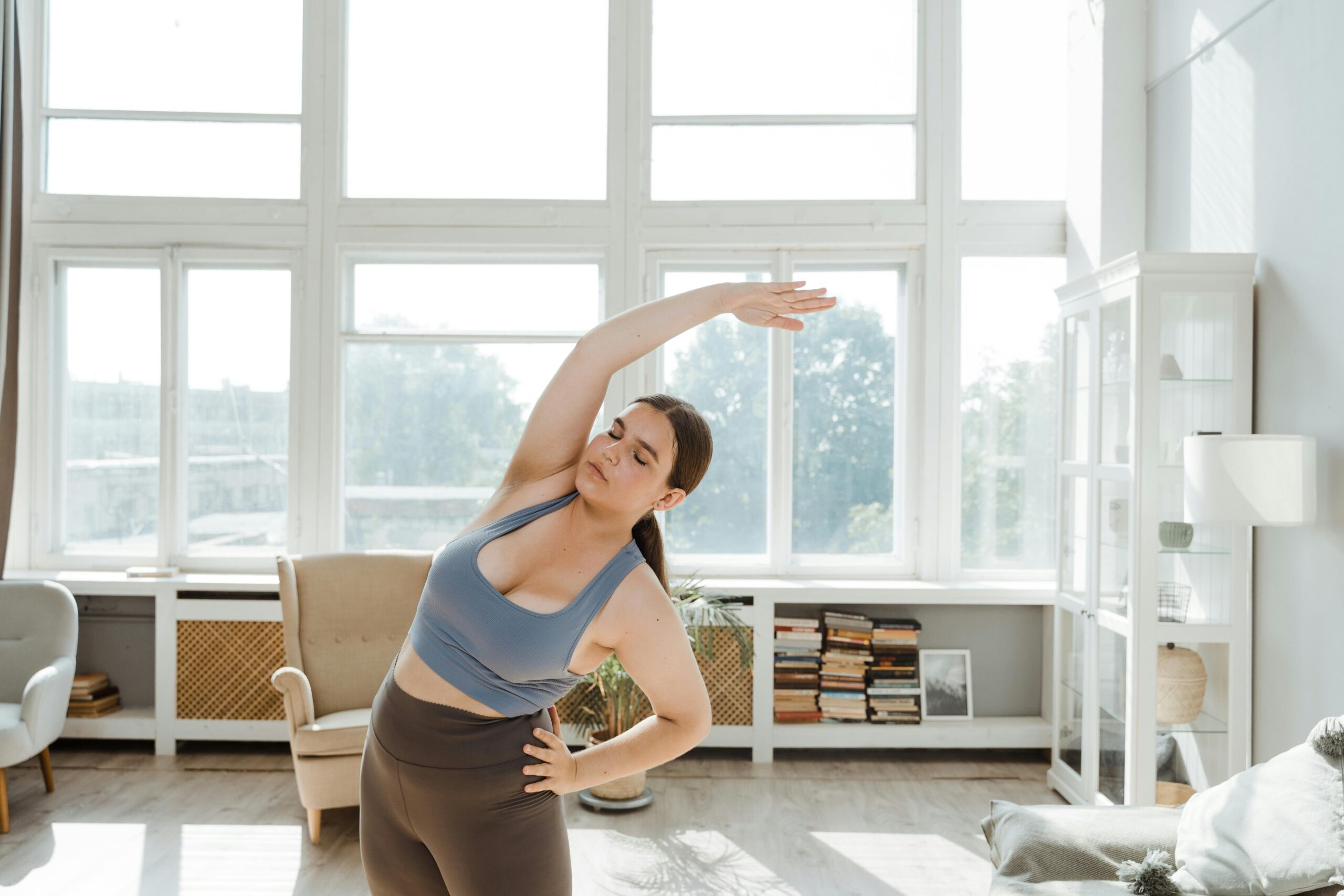
Competition day can be thrilling and nerve-wracking, and the warm-up area is where everything begins. This space sets the tone for your performance, making proper etiquette essential for everyone’s success.

Whether you’re competing in equestrian sports, gymnastics, dance, or any athletic discipline, understanding how to navigate the warm-up area professionally demonstrates respect for fellow competitors, judges, and the sport itself. The habits you develop in this preparatory space can directly impact your mental readiness and physical performance when it’s time to compete.
🎯 Understanding the Warm-Up Area’s Purpose and Flow
The warm-up area serves as a transitional space where athletes shift from preparation mode to performance readiness. This isn’t just a physical space—it’s a psychological environment where focus intensifies and final adjustments happen. Recognizing this dual purpose helps you appreciate why etiquette matters so profoundly.
Every warm-up area has an invisible flow pattern that experienced competitors intuitively understand. Traffic typically moves in specific directions, and certain zones are designated for different activities. Observing this flow before jumping in prevents collisions and demonstrates awareness that seasoned competitors and officials notice and appreciate.
Arriving with Adequate Time
Timing your arrival is the first etiquette checkpoint. Rushing into the warm-up area at the last minute creates unnecessary stress for you and disrupts the rhythm others have established. Arriving too early, however, can lead to over-warming or fatigue before your actual performance.
Most competition guidelines specify warm-up windows, but a good rule of thumb is arriving 45-60 minutes before your scheduled time. This buffer allows you to assess the space, observe current patterns, and execute your warm-up routine without rushing or monopolizing equipment.
🏇 Space Awareness: The Golden Rule of Shared Areas
Spatial awareness separates respectful competitors from those who inadvertently create hazards. In the warm-up area, your personal bubble expands significantly because movements are larger, faster, and less predictable than everyday activities.
Always maintain a safe distance from other competitors—typically at least three meters in most disciplines, though this varies by sport. In equestrian warm-up rings, for instance, passing protocols require even greater distances. In gymnastics or dance warm-ups, being aware of limb extension zones prevents accidental contact during turns, leaps, or tumbling passes.
Communication Prevents Collisions
Clear, concise communication is your safety net in busy warm-up areas. Simple verbal cues like “passing on your left,” “coming through,” or “heads up” prevent dangerous situations. Eye contact with fellow competitors also establishes mutual awareness before executing potentially intersecting movements.
In equestrian settings, specific protocols govern passing—inside versus outside passes, calling out before overtaking, and yielding right-of-way appropriately. Learning these sport-specific conventions isn’t optional; it’s fundamental to safe practice.
📋 Equipment and Resource Sharing Ethics
Limited equipment transforms the warm-up area into a test of character. How you share resources reveals your professionalism and consideration for others who share your competitive goals.
When equipment is scarce—be it a practice jump, vault, mirror space, or barre—establish a rotation system with others waiting. A simple “Are you working in?” or “Mind if I work in between your sets?” demonstrates courtesy that competitors remember and reciprocate.
Setting Up and Breaking Down Efficiently
Personal equipment should be set up quickly and removed promptly when finished. Leaving your belongings sprawled across the warm-up area creates obstacles and reduces usable space for everyone. Designate a compact area for your gear, preferably against a wall or in designated storage zones.
If you need to adjust equipment settings—such as jump heights, apparatus positions, or sound system volume—make changes efficiently and return settings to neutral positions when finished. The next person shouldn’t have to undo your customizations before beginning their warm-up.
🎵 Managing Sound and Distractions Mindfully
Audio management presents unique challenges in shared warm-up spaces. While music can enhance your mental preparation, it shouldn’t dominate the acoustic environment or prevent others from hearing their own cues, music, or coach instructions.
Use headphones whenever possible for personal music. If your discipline requires music playback through speakers—such as rhythmic gymnastics or dance—keep volume at reasonable levels and limit repetitions. Running through your routine with music fifteen times consecutively frustrates everyone within earshot.
Minimizing Verbal Disruptions
The warm-up area isn’t a social gathering, though friendly interactions have their place. Extended conversations, particularly loud ones, fragment the focus of nearby competitors. Save detailed discussions for outside the warm-up area, keeping verbal exchanges brief and purposeful during preparation time.
Coaching conversations should also remain concise and moderately volumed. Coaches who dominate the auditory space with lengthy instructions or loud critiques disrupt concentration fields that competitors work hard to establish.
🤝 Coaching and Support Team Boundaries
The presence of coaches, trainers, parents, and support personnel amplifies warm-up area complexity. Clear boundaries for these individuals protect the preparation environment for all competitors.
Many competitions limit the number of support people allowed in warm-up areas simultaneously. Respect these limits absolutely—they exist to prevent overcrowding and maintain safety. If your coach needs to enter, ensure they’re aware of positioning protocols that keep them visible to their athlete while remaining out of traffic patterns.
Parental Presence and Professionalism
For youth competitors, parental support plays an important role, but parents must understand warm-up area boundaries. Coaching from the sidelines, particularly when an official coach is present, creates confusion and appears disrespectful to the designated coach.
Parents serve their competitors best by offering calm encouragement before and after warm-ups, not during. The warm-up area should remain a coach-athlete space where focus and technical preparation take precedence over familial emotions.
⚡ Safety Protocols That Protect Everyone
Safety transcends etiquette—it’s the fundamental responsibility every warm-up area participant shares. Certain non-negotiable safety practices apply across virtually all competitive disciplines.
Never attempt new skills or maximum-difficulty elements in the warm-up area. This space serves to activate prepared skills and build confidence, not to experiment with movements you haven’t mastered in training. The risk of injury spikes when athletes push boundaries in unfamiliar, crowded environments.
Recognizing and Reporting Hazards
Damaged equipment, wet floors, or other hazards require immediate attention. If you notice a safety concern, alert officials right away rather than simply avoiding it yourself. Your vigilance might prevent someone else’s injury.
Similarly, if you witness a concerning fall or potential injury, check on the affected person’s welfare or alert appropriate personnel. Competition creates intensity, but human welfare always supersedes competitive priorities.
🧠 Mental Preparation Without Imposing on Others
Your pre-performance psychology matters immensely, but managing it shouldn’t compromise others’ preparation. Different athletes employ different mental strategies—some require high energy and movement, others need quiet visualization and stillness.
Find ways to execute your mental routine that respect the diverse approaches around you. If your preparation includes energetic movements or vocalizations, position yourself where these won’t startle or distract others at critical focus moments.
Visualization and Personal Space
Many athletes use visualization techniques in warm-up areas, sometimes standing still with eyes closed while mentally rehearsing their performance. Respect these moments by maintaining awareness and not interrupting someone clearly engaged in mental preparation.
Conversely, when you visualize, position yourself away from traffic flow where someone focused on physical warm-up won’t accidentally collide with your stationary presence.
📱 Technology Use in the Modern Warm-Up Area
Smartphones and recording devices have become warm-up area fixtures, offering valuable tools for last-minute video review and technique checks. However, technology use requires particular etiquette considerations.
When recording yourself, ensure your camera angle doesn’t capture other competitors. Privacy concerns and competitive sensitivity mean that inadvertently filming others’ warm-ups can create serious conflicts. Position cameras carefully and review footage to confirm only your activity appears in recordings.
Video Review Without Creating Obstacles
Watching replay footage on your device shouldn’t monopolize space or block pathways. Step to the periphery of the warm-up area when reviewing videos, keeping traffic flow unobstructed. Extended video analysis sessions are better conducted completely outside the warm-up zone.
Never photograph or video other competitors without explicit permission—competition strategies and techniques represent intellectual property that athletes rightfully protect.
🌟 Competition-Specific Protocols and Variations
While universal principles apply broadly, each sport has unique warm-up area customs that participants must learn. Equestrian show jumping warm-up rings operate differently from dressage arenas. Gymnastics apparatus warm-ups follow different conventions than floor exercise preparation.
Research your specific discipline’s expectations before competing. National and international governing bodies often publish warm-up area guidelines in their rulebooks. Reviewing these documents demonstrates professionalism and prevents unintentional violations that could affect your standing or safety.
International Competition Considerations
Competing internationally introduces cultural dimensions to warm-up etiquette. Greeting customs, personal space norms, and communication styles vary across cultures. Approaching these differences with openness and adaptability reflects the global sportsmanship that elevates competitive communities.
When competing abroad, arrive even earlier than usual to observe local warm-up customs before participating. This extra observation time helps you adapt to any regional variations in etiquette expectations.
⏰ Time Management and Turn-Taking Fairness
Equitable access to warm-up resources requires participants to self-monitor their time usage. Monopolizing equipment or space because you’re nervous or want extra preparation unfairly disadvantages others with equal rights to that area.
Set specific time limits for yourself on shared equipment. If others are waiting, a good guideline is 3-5 repetitions or 5-7 minutes maximum before yielding. This rotation keeps things moving while providing everyone adequate preparation opportunity.
Dealing with Time Hogs Diplomatically
Occasionally you’ll encounter someone who either doesn’t recognize or doesn’t care about fair time-sharing. Address this diplomatically with polite, direct communication: “Excuse me, would you mind if I work in?” typically succeeds where silent frustration fails.
If someone continues monopolizing resources despite courteous requests, involve an official rather than creating confrontation. Competition management expects to handle these situations and has authority you don’t possess.
🎭 Managing Competition Nerves Without Drama
Pre-competition anxiety affects everyone differently, but how you manage those nerves in the warm-up area impacts surrounding competitors. Excessive nervous energy—pacing frantically, verbalizing anxiety repeatedly, or displaying visible distress—can trigger similar responses in others.
Develop personal anxiety management techniques you can deploy quietly and independently. Breathing exercises, mental anchoring phrases, or physical grounding techniques help you regulate without broadcasting stress throughout the space.
Supporting Others Through Nervous Moments
When you notice a competitor struggling with nerves, a brief encouraging word or supportive smile can make meaningful difference. Keep interventions light and non-intrusive—you’re offering solidarity, not assuming a coaching role.
This supportive culture elevates everyone’s experience and reminds us that we’re all human beings facing similar challenges, despite being competitors.
🏆 Transitioning from Warm-Up to Performance
The final moments before leaving the warm-up area for your competitive performance require particular mindfulness. Your exit should be as smooth and unobtrusive as your participation has been throughout warm-up.
Finish your preparation routine decisively rather than lingering uncertainly. Pack your belongings efficiently, wish nearby competitors well if appropriate, and move toward the competition area with confident purpose.
Returning After Performance
Some competition formats require returning through the warm-up area after performing. Navigate this return with the same awareness you maintained during preparation, recognizing that others are still in focused preparation mode while you’ve completed your performance.
Save celebrations, disappointments, or performance analysis for outside the warm-up area. Those still preparing deserve the same focused environment you benefited from earlier.
🌈 Building a Culture of Mutual Respect
Exceptional warm-up area etiquette extends beyond rule-following to creating an environment where everyone can perform their best. This culture develops when participants recognize their shared humanity and common goals despite competitive separation.
Small gestures accumulate into meaningful culture shifts: holding a door, offering sincere congratulations, helping someone locate equipment, or simply acknowledging others’ presence respectfully. These actions cost nothing but contribute immeasurably to positive competitive experiences.
The warm-up area etiquette you practice doesn’t just prepare you for one performance—it shapes your reputation within your competitive community. Officials, fellow competitors, and coaches notice how you conduct yourself in these preparatory spaces, forming impressions that follow you throughout your competitive career.
Mastering these etiquette fundamentals positions you as a professional athlete who respects the sport, honors fellow competitors, and understands that true championship quality extends far beyond technical skill execution. When you step into that warm-up area with awareness, respect, and purpose, you’ve already begun winning—regardless of what the scoreboard ultimately displays.
The competitive journey encompasses so much more than podium moments. It includes the countless hours of preparation, the communities we build, and the character we demonstrate when nobody’s watching—or when everyone is, but the spotlight hasn’t yet turned our direction. The warm-up area is where these elements converge, where respect meets readiness, and where your truest competitive self emerges before performance begins. 🌟