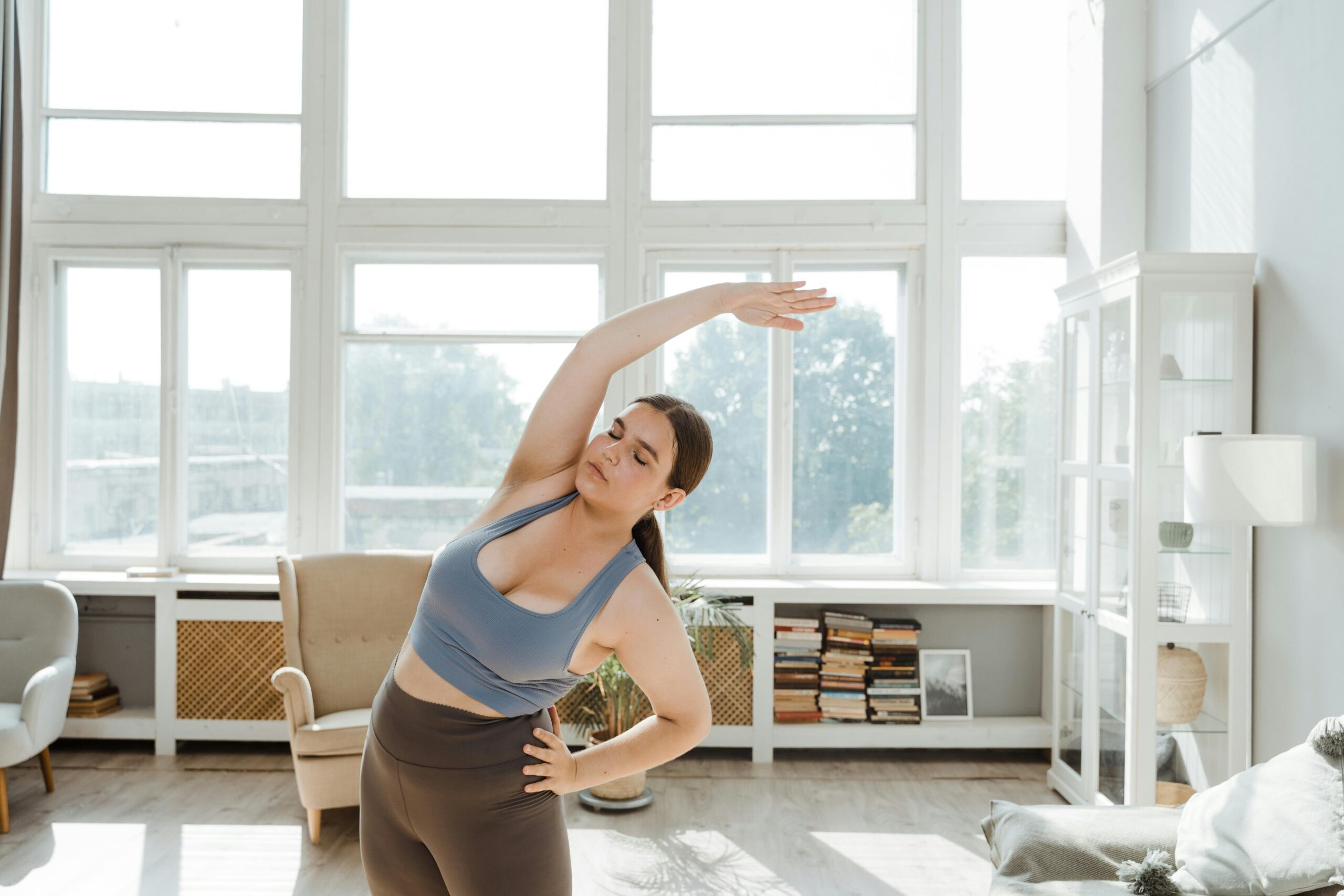
Walking into a gym for the first time can feel intimidating, especially when you’re unsure about what to wear. The right workout attire isn’t just about looking good—it’s about performance, comfort, and confidence.

Whether you’re a fitness newbie or a seasoned gym-goer, understanding gym dress codes and choosing clothes that keep you comfortable during intense sweat sessions can dramatically improve your workout experience. This comprehensive guide will help you navigate the world of gym fashion, from basic requirements to advanced fabric technologies, ensuring you’re always dressed for success.
🏋️ Understanding Basic Gym Dress Code Requirements
Most gyms have unwritten rules about appropriate workout attire, though some facilities enforce specific dress codes. Generally, these guidelines exist for hygiene, safety, and creating a comfortable environment for all members. Understanding these expectations helps you avoid awkward situations and focus on what matters—your fitness journey.
The fundamental principle is simple: wear clean, appropriate athletic clothing that covers essential areas and doesn’t interfere with equipment or other members. Closed-toe athletic shoes are almost universally required for safety reasons, protecting your feet from dropped weights and providing necessary support during exercises.
What’s Typically Acceptable
Athletic shorts, leggings, yoga pants, and sweatpants form the foundation of acceptable gym bottoms. Tank tops, t-shirts, and athletic tops designed for workouts are standard upper-body options. Sports bras can be worn alone in many modern gyms, especially during high-intensity classes, though some traditional facilities may prefer they’re covered.
Sneakers designed for athletic activities are essential—running shoes, cross-trainers, or specialized lifting shoes all qualify. The key is that they’re clean, in good condition, and appropriate for your chosen activity.
Common Gym Dress Code Violations
Knowing what not to wear is equally important. Street shoes, sandals, flip-flops, and bare feet are prohibited in virtually every gym for safety and hygiene reasons. Jeans, cargo pants, and other non-athletic wear restrict movement and can damage equipment.
Clothing with offensive graphics, excessively revealing outfits that don’t provide adequate coverage, and dirty or smelly workout gear will likely draw negative attention. Some gyms also prohibit wearing just sports bras without additional coverage, so check your facility’s specific policies.
💪 Choosing the Right Fabrics for Maximum Comfort
The fabric you choose can make or break your workout experience. Modern athletic wear incorporates advanced textile technologies designed to keep you comfortable, dry, and performing at your peak, regardless of how much you sweat.
Moisture-wicking fabrics are the gold standard for workout clothing. These materials pull sweat away from your skin and transport it to the fabric’s outer surface where it can evaporate quickly. This process helps regulate body temperature and prevents that uncomfortable, clammy feeling that cotton clothing creates when wet.
Best Fabric Choices for Workout Clothes
Polyester blends dominate the athletic wear market for good reason. This synthetic fabric is lightweight, dries quickly, and effectively wicks moisture away from skin. Many high-performance polyester blends also incorporate anti-microbial treatments that reduce odor-causing bacteria.
Nylon offers similar benefits with added durability and stretch. It’s particularly popular for compression wear and leggings because it maintains shape well and provides excellent support during dynamic movements.
Spandex (also called elastane or Lycra) is typically blended with other fabrics to add stretch and flexibility. This allows your clothing to move with you without restricting range of motion—essential for exercises like squats, lunges, and yoga poses.
Merino wool has gained popularity for workout wear despite being a natural fiber. Unlike regular wool, merino is soft, breathable, naturally antimicrobial, and performs well in both hot and cold conditions.
Fabrics to Avoid When Working Out
Cotton, despite being comfortable for everyday wear, is problematic for workouts. It absorbs moisture but doesn’t release it efficiently, becoming heavy and staying wet against your skin. This creates discomfort, increases friction leading to chafing, and can cause temperature regulation issues.
Heavy fabrics that don’t breathe trap heat and moisture, making your workout unnecessarily uncomfortable. Similarly, fabrics that don’t have any stretch severely limit your movement and can even increase injury risk during certain exercises.
🎽 Upper Body Essentials: What to Wear on Top
Your choice of upper body attire depends on your workout type, personal comfort preferences, and your gym’s atmosphere. The right top balances coverage, breathability, and freedom of movement.
For cardio-intensive workouts like running, cycling, or HIIT classes, prioritize lightweight, breathable fabrics with maximum ventilation. Tank tops, sleeveless shirts, and moisture-wicking t-shirts work well for these high-sweat activities.
T-Shirts and Tank Tops
Athletic t-shirts come in various styles—crew neck, v-neck, fitted, and loose. Fitted options reduce fabric bunching during exercises but shouldn’t be so tight that they restrict breathing or movement. Loose-fitting tees provide maximum airflow but might get in the way during certain movements like burpees or overhead presses.
Tank tops offer enhanced breathability and allow full shoulder mobility, making them excellent for weightlifting and classes. Racerback tanks are particularly popular because the back design allows complete range of motion without straps sliding off shoulders.
Sports Bras and Base Layers
For women, a properly fitted sports bra is the most important piece of workout clothing. Impact level matters—low impact for yoga and walking, medium for weight training and cycling, high impact for running and jumping activities. The right sports bra prevents discomfort and protects breast tissue from damage during exercise.
Base layers or compression tops can enhance performance by providing muscle support and improving blood circulation. Many athletes wear them year-round, not just in cold weather, for their performance benefits.
👖 Bottom Half: Shorts, Leggings, and Everything Between
Your lower body workout wear choice significantly impacts comfort, performance, and confidence. The variety of options available means there’s something perfect for every body type, workout preference, and comfort level.
Leggings and yoga pants have become gym staples for all genders because they provide compression support, full coverage, don’t restrict movement, and eliminate concerns about shorts riding up. Look for options with a wide, high waistband that stays in place without rolling down during exercises.
Shorts for Various Workout Types
Athletic shorts range from short running shorts to longer basketball-style options. Length is largely personal preference, though certain activities work better with specific styles. Running shorts are lightweight and allow maximum leg movement, while longer shorts might be preferred for exercises where you’re lying on equipment.
Compression shorts worn alone or as a base layer under regular shorts provide muscle support and prevent chafing. Many athletes swear by them for leg day workouts or long-distance running.
Specialized Options for Different Activities
Yoga pants with four-way stretch are essential for practices requiring extreme flexibility and varied positions. Cycling shorts with padding enhance comfort during long rides. CrossFit-style training shorts often feature stretchy, durable fabric that withstands intense, varied movements without restricting performance.
For outdoor winter workouts, thermal leggings or pants made with fleece-lined fabrics keep muscles warm while still managing moisture. Many feature wind-resistant panels for added protection.
👟 Footwear Fundamentals: Finding Your Perfect Gym Shoes
Proper footwear is non-negotiable for gym safety and performance. Different activities place different demands on shoes, so understanding these requirements helps prevent injury and maximize effectiveness.
Running shoes are designed for forward motion with cushioning that absorbs impact. They’re ideal for treadmill work and cardio classes but aren’t optimal for weightlifting because their soft, cushioned soles create instability during heavy lifts.
Cross-Trainers vs. Specialized Shoes
Cross-training shoes offer a middle ground with moderate cushioning and lateral support for side-to-side movements. They’re versatile enough for varied workouts including light running, weightlifting, and fitness classes—making them perfect for general gym-goers who do different activities.
Weightlifting shoes feature hard, flat soles providing stability during heavy lifts, with some designs including a raised heel that improves squat depth. Serious strength trainers often invest in these specialized shoes.
Minimalist shoes or barefoot-style footwear appeal to those focusing on functional fitness and natural movement patterns. Some gyms allow deadlifting in socks or minimalist shoes for better floor connection.
🧦 The Underrated Importance of Quality Socks
Socks might seem trivial, but they play a crucial role in foot health, blister prevention, and overall workout comfort. Athletic socks differ significantly from everyday socks in construction and materials.
Moisture-wicking athletic socks keep feet dry, reducing friction that causes blisters. Many feature additional padding in high-impact zones, arch support bands, and seamless toe construction to eliminate irritation points.
The right sock height depends on your activity and shoe type. Low-cut or no-show socks work with most athletic shoes for gym workouts. Crew-length socks protect shins during activities like box jumps or deadlifts where the bar might scrape legs. Compression socks improve circulation during long workouts or aid recovery afterward.
🌡️ Dressing for Temperature: Climate Control Strategies
Gym temperatures vary dramatically—from overheated studios to cold functional fitness spaces. Dressing appropriately for your environment ensures you stay comfortable throughout your workout.
In hot gyms or during summer months, prioritize breathability and minimal coverage. Lightweight, moisture-wicking fabrics in light colors reflect heat better than dark colors. Mesh panels in strategic locations increase airflow.
Layering for Cooler Environments
Cold gyms require a layering strategy that you can adjust as you warm up. Start with a moisture-wicking base layer, add an insulating mid-layer if needed, and top with a lightweight jacket or hoodie you can remove once your body temperature rises.
Avoid cotton layers that trap moisture. Instead, choose synthetic or merino wool options that continue managing moisture even when layered. Many athletes prefer quarter-zip pullovers because they allow temperature regulation without complete removal.
🎨 Colors, Patterns, and Personal Style
While function comes first, there’s no reason your workout clothes can’t reflect your personal style. The right colors and patterns can boost confidence and motivation, making you more likely to maintain your fitness routine.
Dark colors are practical for bottoms because they’re less likely to show sweat or become see-through when wet. However, many modern fabrics maintain opacity regardless of color. Light colors on top can help keep you cooler during intense workouts.
Bright colors and bold patterns have psychological benefits—they can elevate mood and energy levels. Many people find that wearing vibrant workout clothes makes them feel more powerful and motivated during training sessions.
💰 Budget-Friendly Options Without Compromising Quality
Quality workout clothes are an investment in your fitness journey, but you don’t need to spend a fortune. Many budget-friendly brands now offer technical fabrics and performance features at accessible price points.
Generic athletic brands at large retailers often provide excellent value, using similar materials and construction to premium brands without the markup for logos. Focus on fabric content and construction quality rather than brand names.
Shopping end-of-season sales at major athletic retailers yields significant savings on high-quality pieces. Previous season’s colors and patterns perform identically to current releases but cost considerably less.
Building a versatile gym wardrobe gradually is more sustainable than buying everything at once. Start with foundational pieces in neutral colors that mix and match easily, then add variety over time.
🧼 Maintaining Your Workout Wardrobe
Proper care extends the life of your athletic wear and maintains its performance properties. Workout clothes endure harsh conditions—sweat, friction, frequent washing—so they need appropriate maintenance.
Wash workout clothes after every use to prevent bacteria buildup that causes persistent odors. Turn garments inside out before washing to reduce friction on outer surfaces and protect any printed designs.
Washing and Drying Best Practices
Use cold water for most athletic wear to preserve elastic fibers and prevent shrinking. Avoid fabric softeners and dryer sheets—they coat moisture-wicking fabrics, dramatically reducing their effectiveness. Instead, use detergents designed for athletic wear or add white vinegar to remove odors naturally.
Air drying is ideal for extending garment life, though low-heat tumble drying is acceptable for most pieces if time is limited. Never use high heat, which breaks down elastic fibers and can damage technical fabrics.
♻️ Sustainable and Ethical Gym Wear Choices
Growing awareness of environmental and ethical concerns has created demand for sustainable athletic wear. Many brands now offer eco-friendly options without compromising performance.
Recycled polyester made from plastic bottles reduces environmental impact while providing the same moisture-wicking benefits as virgin polyester. Organic cotton, though not ideal for intense workouts, works well for light activities like yoga without chemical pesticides.
Brands with transparent supply chains and fair labor practices ensure your purchases support ethical manufacturing. While sustainable options sometimes cost more initially, their durability often means better long-term value.
🔄 Building a Functional Gym Wardrobe Rotation
Having sufficient workout clothes eliminates the barrier of not having clean gear available. The ideal number depends on your workout frequency, but most regular gym-goers benefit from having at least five complete outfits.
This allows washing every few days without running out of options. Include variety for different workout types—compression gear for heavy lifting days, lighter options for cardio, and flexible pieces for yoga or stretching sessions.
Keep a spare set of workout clothes in your gym bag or car for spontaneous workout opportunities. These backup pieces ensure you’re never caught without appropriate attire when motivation strikes.
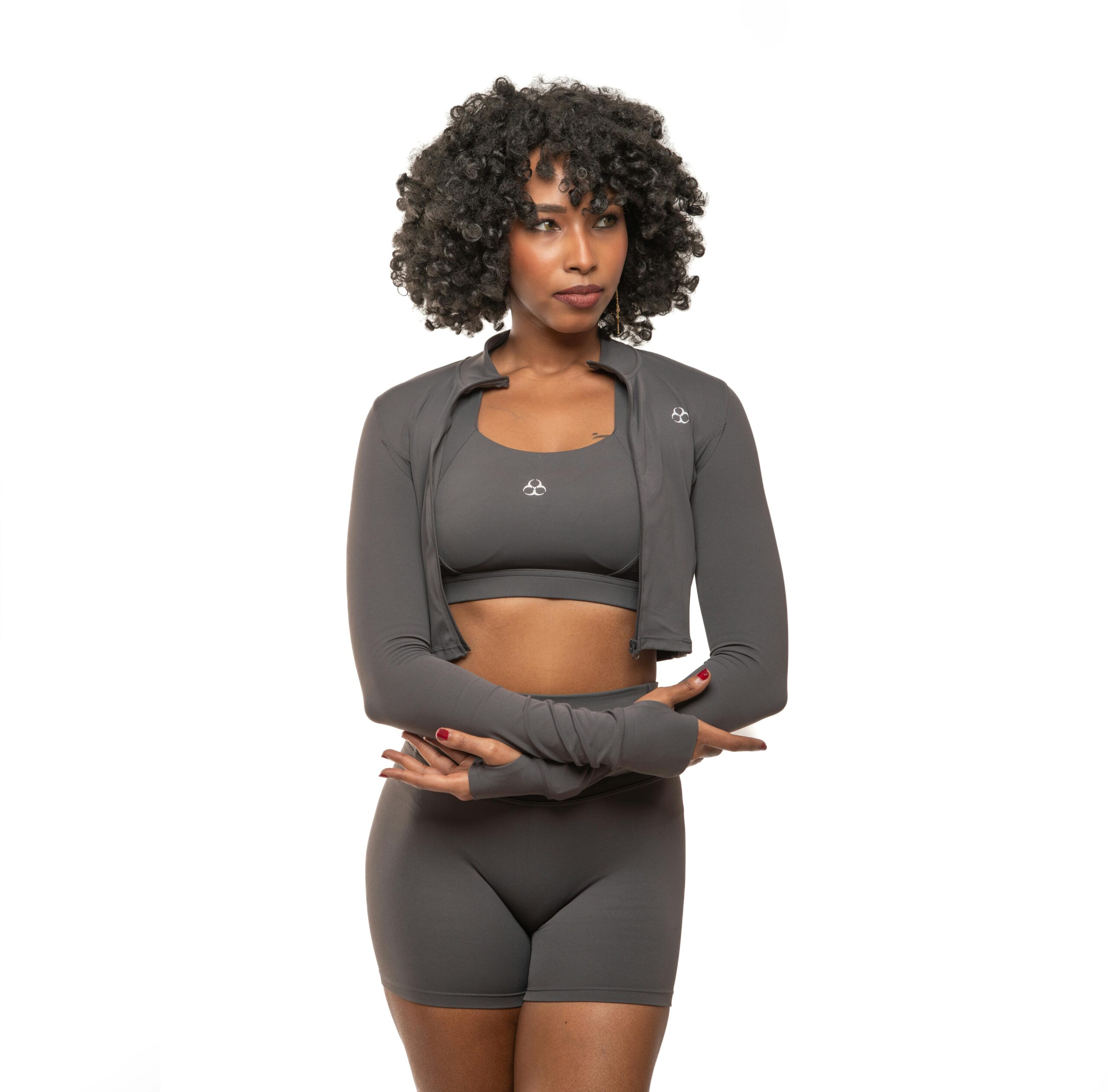
✨ Confidence Through Comfort: The Psychological Edge
The connection between what you wear and how you perform is well-documented. When you feel comfortable and confident in your gym attire, you’re more likely to push harder, try new exercises, and maintain consistent workout habits.
Wearing clothes that fit properly—not too tight, not too loose—allows you to focus entirely on your workout rather than constantly adjusting your outfit. This mental freedom translates directly to better performance and more enjoyable gym experiences.
Choose workout clothes that make you feel strong and capable. Whether that means sleek compression gear, comfortable oversized shirts, or bright patterns that boost your mood, prioritizing how your clothes make you feel is just as important as their technical specifications.
Your gym wardrobe is a personal choice that should reflect your individual needs, preferences, and workout style. By understanding fabric technologies, dress code basics, and how different pieces support various activities, you can create a functional wardrobe that keeps you comfortable, confident, and ready to crush every workout. Remember that the best workout clothes are the ones you’ll actually wear—so choose items that motivate you to show up consistently and give your best effort every single time.