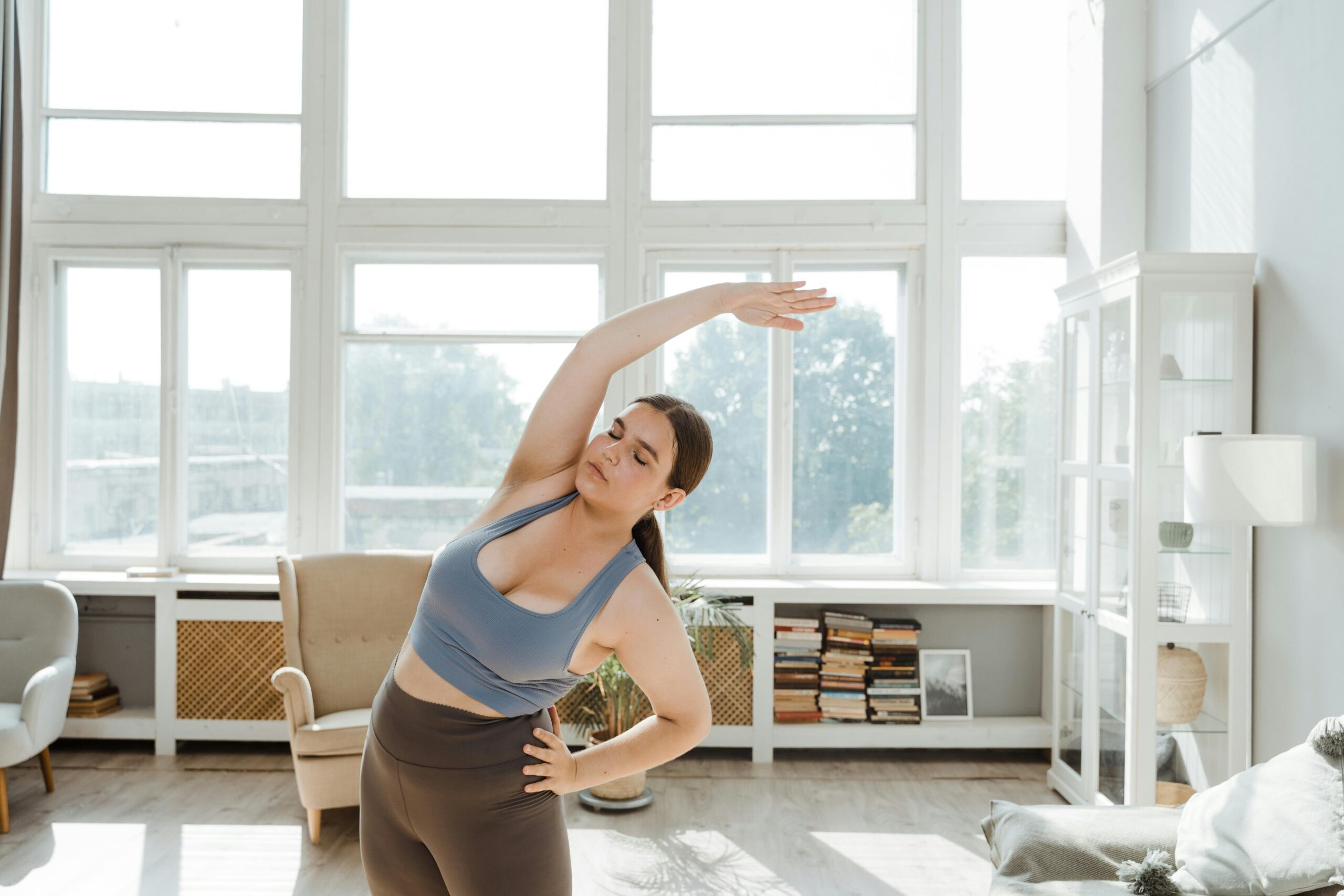
Starting a fitness journey is more than just physical transformation—it’s a powerful mental shift that can reshape how you see yourself and approach life’s challenges. The connection between exercise and confidence is undeniable, and building the right routines can create a positive feedback loop that propels you forward.

Whether you’re returning to fitness after a break or stepping into the gym for the first time, the most crucial element isn’t your current fitness level—it’s your mindset. When you approach your workout routine with intention and focus on building confidence alongside strength, you create sustainable habits that transform not just your body, but your entire outlook on what you’re capable of achieving.
💪 Understanding the Confidence-Fitness Connection
The relationship between physical activity and mental well-being has been extensively studied, and the results consistently point to exercise as a powerful confidence builder. When you engage in regular physical activity, your brain releases endorphins, dopamine, and serotonin—neurochemicals that naturally elevate mood and create feelings of accomplishment.
But the confidence boost goes deeper than just brain chemistry. Every workout you complete is tangible proof of your commitment and capability. Each time you push through a challenging set, run an extra minute, or show up on a day when you’d rather stay in bed, you’re building evidence that you can do hard things. This evidence accumulates, creating a stronger sense of self-efficacy that extends far beyond the gym.
The physical changes that come with consistent exercise—improved posture, increased energy levels, better sleep quality, and visible muscle tone—all contribute to how you carry yourself in the world. When you feel strong in your body, you naturally project that strength in your interactions, decisions, and daily life.
🎯 Setting the Foundation: Mindset-First Approach
Before diving into specific workout routines, it’s essential to establish the mental framework that will support your fitness journey. Many people approach exercise with a punishment mindset, viewing workouts as penance for eating or as obligations rather than opportunities. This negative framing undermines both consistency and confidence.
Instead, reframe exercise as an act of self-respect and celebration of what your body can do. Shift from “I have to work out” to “I get to move my body today.” This subtle language change has profound psychological effects, transforming exercise from a burden into a privilege.
Creating Your Confidence-Building Mission Statement
Take time to articulate why you’re starting this fitness journey beyond surface-level goals. Write down how you want to feel, the energy you want to bring to your life, and the version of yourself you’re becoming. This mission statement becomes your anchor during challenging moments and helps you measure success beyond just physical metrics.
🚀 Beginner-Friendly Confidence-Boosting Routines
The key to building confidence through fitness is starting with routines that challenge you appropriately while ensuring consistent success. These foundational routines are designed to help you build momentum and prove to yourself that you’re capable of following through.
The Power of the 10-Minute Morning Movement
One of the most effective confidence-building strategies is establishing a short, non-negotiable morning movement routine. This isn’t about burning maximum calories or building massive strength—it’s about proving to yourself that you can honor commitments to yourself.
A simple 10-minute morning routine might include:
- 2 minutes of gentle stretching or yoga poses to wake up your body
- 3 minutes of bodyweight exercises like squats, push-ups (modified as needed), and planks
- 3 minutes of dynamic movement like jumping jacks, high knees, or dancing
- 2 minutes of breathwork and intention-setting for the day ahead
The beauty of this approach is that it’s achievable regardless of your fitness level, requires no equipment, and can be done anywhere. More importantly, completing this routine daily creates a success pattern that builds tremendous confidence over time.
The Strength Foundation Circuit
As you build consistency with shorter routines, progress to a three-times-weekly strength circuit that focuses on fundamental movement patterns. This routine builds functional strength while boosting confidence through measurable progress.
Perform each exercise for 45 seconds, followed by 15 seconds rest, completing 3 rounds:
- Bodyweight squats or chair squats (lower body foundation)
- Modified or standard push-ups (upper body pressing)
- Bent-over rows using water bottles or light weights (upper body pulling)
- Plank hold or modified plank (core stability)
- Lunges or step-ups (single-leg strength)
- Glute bridges (posterior chain activation)
Track your performance each session, noting how many repetitions you complete or how long you hold positions. Watching these numbers increase over weeks provides concrete evidence of your progress and capabilities.
🏃♀️ Cardiovascular Confidence Through Progressive Challenges
Cardiovascular exercise offers unique confidence-building opportunities because improvement is often rapid and measurable. Whether you choose walking, jogging, cycling, swimming, or dancing, the key is creating progressive challenges that push your boundaries safely.
The Walk-to-Run Progression
For those new to cardio or returning after time away, a structured walk-to-run program builds both fitness and confidence through gradual progression. Start with a baseline that feels comfortable—perhaps 20 minutes of brisk walking—and gradually introduce short jogging intervals.
A sample four-week progression might look like:
- Week 1: 20 minutes alternating 3 minutes walking with 1 minute jogging
- Week 2: 22 minutes alternating 2 minutes walking with 2 minutes jogging
- Week 3: 24 minutes alternating 2 minutes walking with 3 minutes jogging
- Week 4: 25 minutes alternating 1 minute walking with 4 minutes jogging
The confidence boost comes from proving you can do what you previously couldn’t. Each time you complete a jogging interval that once seemed impossible, you expand your belief in what you’re capable of achieving.
📱 Leveraging Technology for Accountability and Progress
Modern fitness technology can significantly enhance your confidence-building journey by providing structure, tracking progress, and creating accountability systems. Workout tracking apps help you visualize improvement, which reinforces your commitment and builds confidence through data.
Apps that offer structured workout programs, progress tracking, and community support can be particularly valuable for beginners. They remove the guesswork from planning workouts and provide professional guidance without requiring a personal trainer’s budget.
Additionally, habit-tracking apps can help you build consistency by visualizing your workout streak, turning your fitness routine into a game you don’t want to lose. The simple act of checking off completed workouts creates positive reinforcement that strengthens your identity as someone who follows through.
🧘♂️ The Mind-Body Connection: Integrating Mindfulness
True fitness transformation happens when you strengthen the connection between mind and body. Mindful movement practices not only enhance physical performance but also deepen the confidence-building effects of your routine.
Intentional Exercise: Quality Over Quantity
Rather than mindlessly going through the motions, bring full attention to each movement. Notice how your muscles engage, how your breath flows, and how your body responds to different exercises. This mindful approach improves form, reduces injury risk, and creates a meditative quality that reduces stress while building confidence.
During strength training, focus on the mind-muscle connection—deliberately contracting and controlling the muscles you’re working. During cardio, tune into your breathing patterns and how your cardiovascular system becomes more efficient over time. This awareness transforms exercise from something you endure to something you experience, making workouts more engaging and rewarding.
Visualization and Affirmation Practices
Incorporate mental training techniques used by elite athletes into your routine. Before challenging workouts, spend two minutes visualizing yourself completing the session successfully, moving with confidence and strength. During difficult moments, use power phrases like “I am capable,” “My body is strong,” or “I choose to keep going.”
These practices may feel awkward initially, but they create powerful neural pathways that support both performance and confidence. Your brain doesn’t distinguish sharply between vividly imagined experiences and real ones, so mental rehearsal actually prepares your nervous system for success.
📊 Tracking Progress Beyond the Scale
One of the biggest confidence killers in fitness is over-reliance on body weight as the sole measure of progress. While weight can be one data point, focusing exclusively on the scale sets you up for frustration and overlooks the many other ways your body transforms.
Comprehensive Progress Metrics
Create a more complete picture of your fitness journey by tracking multiple indicators:
- Performance metrics: Repetitions completed, weights lifted, distances covered, or times improved
- Energy levels: How you feel throughout the day, sleep quality, and general vitality
- Physical sensations: Reduced joint pain, improved flexibility, or better posture
- Mental changes: Stress management, mood stability, and confidence in daily activities
- Functional improvements: Ability to climb stairs without breathlessness, play with children without fatigue, or carry groceries more easily
- Consistency achievements: Workout streaks, habit formation, and commitment honoring
When you measure success across these dimensions, you’ll discover progress happening even when the scale doesn’t move. This broader perspective maintains motivation and builds authentic confidence based on genuine capability rather than arbitrary numbers.
👥 Building Your Support System
Confidence grows in community. While your fitness journey is personal, surrounding yourself with supportive people multiplies your chances of success and accelerates confidence development.
Consider finding a workout partner with similar goals and fitness levels. The accountability of scheduled joint workouts increases consistency, and celebrating each other’s progress reinforces positive behaviors. On difficult days, your workout partner becomes the external motivation that keeps you going until your internal motivation strengthens.
Online fitness communities can also provide tremendous support, especially if you’re introverted or have scheduling constraints. Sharing your journey, challenges, and victories with people who understand creates connection and normalizes the ups and downs of fitness transformation.
🔄 Overcoming Setbacks and Building Resilience
The path to fitness confidence isn’t linear. You’ll face obstacles—missed workouts, plateaus, injuries, or life circumstances that disrupt your routine. How you handle these setbacks determines whether they become permanent derailments or temporary detours.
The Comeback Mindset
When you miss a workout or have a challenging week, resist the all-or-nothing thinking that leads to abandoning your routine entirely. Instead, view setbacks as opportunities to practice self-compassion and resilience—qualities that build deeper confidence than never facing challenges at all.
Create a comeback protocol: a simplified version of your regular routine that you can implement after disruptions. This might be a 15-minute workout instead of your usual 45-minute session, or a walk instead of a run. The point isn’t matching your peak performance—it’s re-establishing the habit and proving you can return after interruption.
Each successful comeback strengthens your identity as someone who doesn’t quit, which is ultimately more valuable than never experiencing setbacks.
✨ Celebrating Milestones and Reinforcing Success
Confidence grows when you acknowledge progress. Create milestone markers throughout your fitness journey and celebrate when you reach them. These celebrations don’t need to be elaborate—the key is pausing to recognize your achievement.
Milestone ideas include completing your first week of consistent workouts, achieving a specific performance goal, maintaining your routine through a busy period, or simply feeling noticeably stronger in daily activities. Document these moments through photos, journal entries, or social media posts that you can revisit when motivation wanes.

🌟 Transforming Your Identity Through Consistent Action
The ultimate confidence boost comes not from achieving a specific body composition or fitness level, but from becoming someone who honors commitments to themselves. Every workout you complete—especially the ones you didn’t feel like doing—reinforces your identity as a person who follows through.
This identity transformation extends far beyond fitness. When you prove to yourself that you can change your body through consistent action, you begin believing you can tackle other challenges in your life. The discipline developed through regular exercise becomes transferable to career goals, relationship improvements, financial habits, and personal growth.
Your fitness journey is ultimately about discovering that you’re more capable than you believed. Each workout is an opportunity to strengthen not just your muscles, but your relationship with yourself. As you build physical strength, you simultaneously build the confidence to show up for yourself, push through discomfort, and create the life you want.
Start today—not with perfection, but with commitment. Choose one confidence-boosting routine from this article and implement it this week. Your future self, standing stronger and more confident than you can currently imagine, is waiting for you to take that first step. The transformation begins with believing you’re worth the effort, and every workout proves that belief true. 💪✨